
24/7 Customer Support

Free returns

Same-day & Next-day Delivery

Quality Guaranteed

Unlock Your Welcome Offers: FREE Delivery | Up to 80% OFF | Free 30-day JoyPlus trial
Download the APP
Collagen face masks can make a convenient addition to a UK skincare routine, particularly when skin feels dry, tight, dull or lacking bounce. However, attractive packaging and phrases such as “deep absorption” do not always tell you whether a mask suits your skin, schedule or budget.
The practical choice depends on the formula, sheet material, application time and how often you realistically intend to use it. This guide explains the main buying pitfalls, the specifications worth checking and a selection of products matched to different shopping needs.
Hydrating face masks can temporarily make skin appear smoother and more plump because humectants and occlusive ingredients add moisture to the skin’s surface. This does not mean a mask permanently changes wrinkles, firmness or facial contours.
Collagen in a cosmetic formula may help provide a conditioned, comfortable feel, but the ingredient name alone should not be treated as a guarantee of deep structural action. Look at the complete ingredient list instead, including glycerine, hyaluronic acid, ceramides, niacinamide and soothing ingredients such as allantoin.
A traditional sheet face mask may take 15–30 minutes, while some hydrogel face masks are designed to remain on for one to three hours. Overnight face masks require a different routine altogether and may need time to dry before you go to bed.
If you usually have limited time before work, a long-wear hydrogel or overnight format may be inconvenient. Conversely, a quick sheet mask may not provide the extended contact time you want for a relaxed weekend treatment.
Skin can react to fragrance, essential oils, preservatives, alcohol or botanical extracts, even when a product is marketed as gentle. Always check the current packaging and full INCI ingredient list before use. A patch test on a small area is a sensible precaution, especially if your skin is reactive.
Do not apply facial masks to broken, sunburnt or irritated skin. Stop using a product if persistent redness, swelling, itching or burning occurs, and seek appropriate medical advice if symptoms continue.
For face masks for dry skin, prioritise humectants such as glycerine, sodium hyaluronate and hydrolysed hyaluronic acid. These help attract water to the skin’s surface. Ceramide and squalane can be useful additions when your routine needs more barrier-supporting and moisture-sealing ingredients.
For face masks for mature skin or a firming-focused routine, collagen extracts, peptides, niacinamide and adenosine are common cosmetic ingredients to compare. They can support a smoother-looking, more conditioned complexion, but avoid treating marketing language as a medical or permanent result.
Those seeking anti-ageing face masks should also consider comfort and consistency. A moderate formula used regularly may be more practical than an expensive treatment that is uncomfortable or difficult to fit.
Sheet materials include cotton tissue, wood pulp fibre, bio-cellulose and hydrogel. A close-fitting mask keeps more essence in contact with the skin and is less likely to slide while you move around.
Three-dimensional designs can fit the nose, cheeks, jawline and chin more closely than flat sheets. Hydrogel masks often feel cooling and flexible, while bio-cellulose masks are thin and close-fitting. Check whether the mask is supplied in separate upper and lower sections, as this can make positioning easier.
Check the stated wear time rather than assuming longer is better. Standard sheet face masks commonly require around 15–30 minutes. Some collagen hydrogel masks become transparent after a longer period. Overnight products follow their own instructions and must dry properly before contact with bedding.
Pack size also affects value. A 10-pack can suit regular weekly use, while a four-sheet pack may be more appropriate for occasional treatments or travel. Never reuse disposable masks, and follow the storage instructions printed on the packaging.
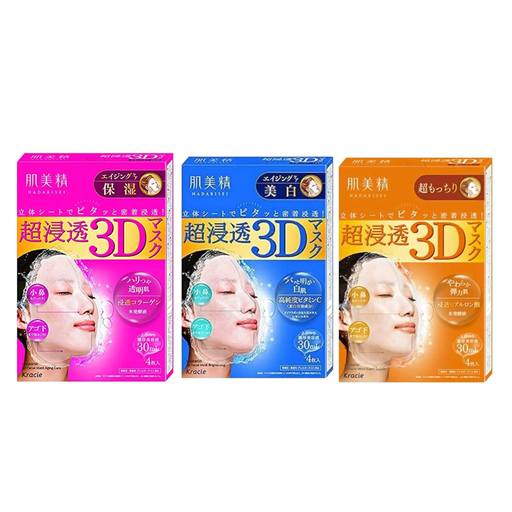
Why This Fits Their Persona: The multi-variant bundle gives UK shoppers several options for hydration, brightening and collagen-focused care without committing to just one format.
The 3D sheet design addresses poor coverage around the chin and jawline, while individual sachets help preserve freshness.
Includes 12 masks across three variants; contains hyaluronic acid or soluble collagen depending on the sheet.
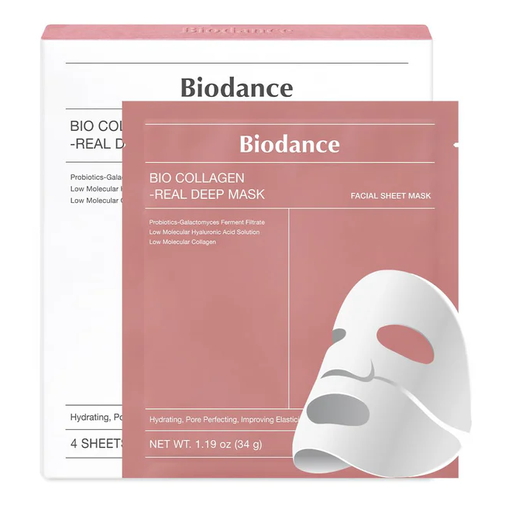
Why This Fits Their Persona: A four-mask pack suits shoppers wanting a more intensive hydrogel treatment for occasional evenings or planned skincare sessions.
Its instructions clearly distinguish between daytime wear of 3–4 hours and overnight use, helping prevent unsuitable application times.
Hydrogel format; includes collagen extract, hydrolysed hyaluronic acid, glycerine and niacinamide.
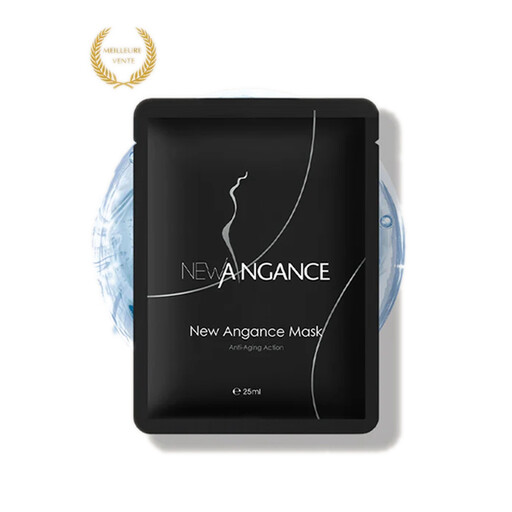
Why This Fits Their Persona: The 10-mask pack is practical for shoppers planning a regular weekly routine focused on hydration and skin-barrier care.
The stated 20–30-minute wear time is straightforward, avoiding the assumption that a sheet should be left on until it dries.
Contains sodium hyaluronate, ceramide 2 and palmitoyl pentapeptide-4; uses fine wood-pulp fibre.
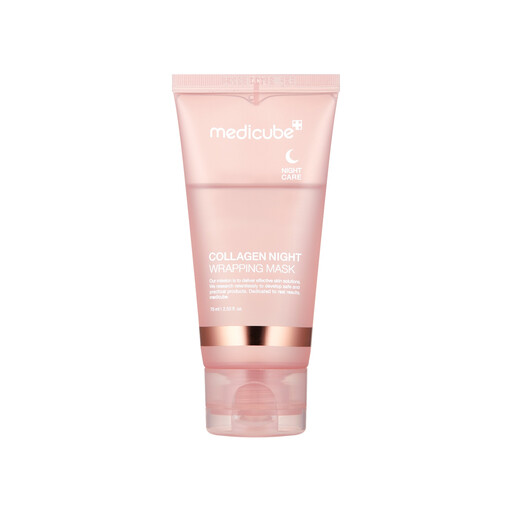
Why This Fits Their Persona: This leave-on format suits people who prefer completing skincare in the evening rather than setting aside daytime treatment time.
The film is designed to dry before sleep and is peeled away in the morning, making the intended overnight use clear.
A 75 ml peel-off mask with collagen extract, niacinamide, ceramide NP and sodium hyaluronate.
We have compiled a complete, real-time list of products that fully satisfy these strict selection criteria and UK safety regulations.
Many are suitable for dry skin because they contain humectants such as glycerine or hyaluronic acid. For persistent tightness or flaking, compare formulas that also include ceramides, squalane or amino acids. Apply moisturiser after the mask to help reduce moisture loss.
It depends on the format. Standard sheet masks commonly require 15–30 minutes, while some hydrogel products specify one to three hours. Overnight wrapping masks have separate instructions. Always follow the product packaging rather than extending the wear time.
A practical starting point is once or twice a week, unless the packaging gives different guidance. If a mask contains exfoliating fruit acids, fragrance or essential oils, frequent use may be less comfortable for reactive skin. Check your overall routine so you do not combine too many potentially irritating products at once.