
24/7 Customer Support

Free returns

Same-day & Next-day Delivery

Quality Guaranteed

Unlock Your Welcome Offers: FREE Delivery | Up to 80% OFF | Free 30-day JoyPlus trial
Download the APP
If you are comparing collagen peptides, peptide serums and collagen supplements, it is easy to spend more than planned without getting a product that fits your routine. Collagen-based products range from lightweight creams and pore-tightening serums to collagen powder, capsules and single-serve sachets. The right choice depends less on impressive wording and more on the formula, serving information and how consistently you will use it.
A collagen face cream or peptide moisturiser can make skin feel smoother and more hydrated, while a serum may temporarily improve the appearance of texture. These are cosmetic effects, not a guarantee of permanent collagen rebuilding or pore removal. Be cautious of claims promising dramatic changes after one use, particularly where the supporting evidence is not clearly explained.
For UK shoppers, check whether a claim is presented as a brand’s own research rather than an established medical fact. Marketing language should not replace realistic expectations.
A large tub of collagen powder may look better value, but the important figure is the collagen amount per serving and the number of servings in the pack. A scoop can vary considerably between products. For example, one product may provide 2.5g per serving, while another provides 10g or more.
With collagen capsules, calculate how many capsules are needed to reach the stated serving. KIKI Health Collagen Peptides Beauty Support Capsules provide 950mg per two-capsule serving, so the capsule format may suit convenience but should be compared fairly with powders.
“Collagen” does not mean every formula is interchangeable. Bovine collagen is unsuitable for people avoiding animal-derived ingredients, while flavoured powders may contain milk or sweeteners. Skincare formulas can also include fragrance, essential oils, retinol, exfoliating acids or alcohol, which may not suit everyone.
Always check the label, allergens, storage advice and current directions before use. Product packaging can change, so the information supplied with the item should take priority.
Hydrolysed collagen peptides are broken-down collagen proteins designed to dissolve more easily than conventional collagen. Look for the source, such as bovine collagen, and the collagen type where it is provided. Type I and Type III are commonly listed in products aimed at skin, hair and nails, although the presence of a particular type is not a guarantee of a specific cosmetic result.
For dietary supplements, compare the actual collagen quantity per serving, not just the net weight. A clean ingredient list containing only bovine collagen peptides may be preferable if you want to add the powder to coffee, water or a smoothie without extra flavourings.
Choose a format you can use consistently:
Check whether the product dissolves easily, contains sweeteners or includes allergens such as milk. Flavoured products can make daily use more enjoyable, but they may not suit a simple, low-additive routine.
For sensitive or oily skin, look for a clear fragrance policy and avoid assuming that “natural” means irritation-free. Niacinamide, glycerin, hyaluronic acid and panthenol are common supportive ingredients for hydration and comfort. Peptides may appear alongside these ingredients in a pore-tightening serum or anti-ageing skincare formula.
Patch testing is sensible when introducing a new product, especially around the eyes. Do not apply skincare to broken, inflamed or sunburnt skin, and discontinue use if persistent redness, itching or discomfort occurs.
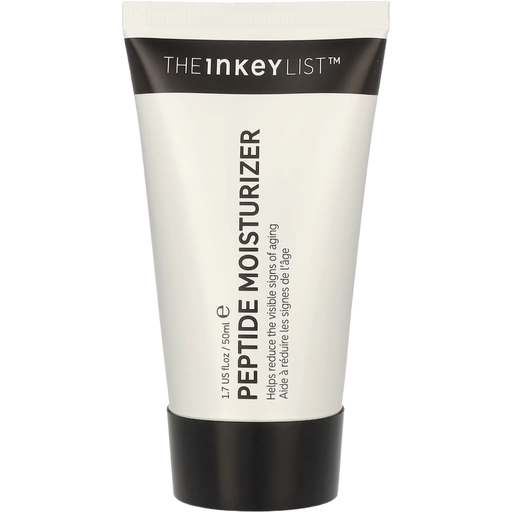
Why This Fits Their Persona: A straightforward daily moisturiser for shoppers beginning an anti-ageing skincare routine without adding several separate steps.
The listed formula identifies a peptide duo, fragrance-free formulation and fast-absorbing cream texture rather than relying only on vague collagen promises.
50ml format; fragrance-free; designed for morning and evening use and suitable for layering under makeup.
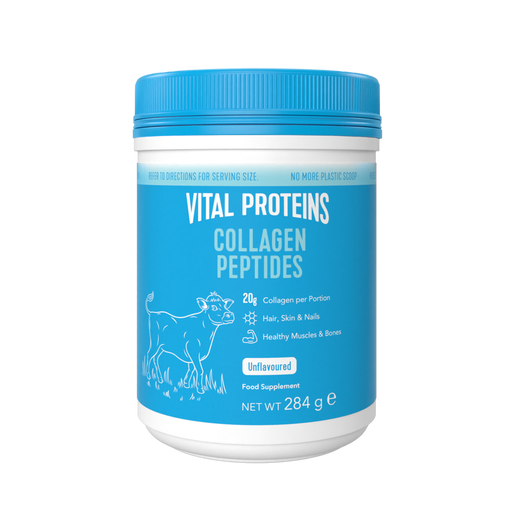
Why This Fits Their Persona: Suitable for adults who want an unflavoured powder for regular use in coffee, juice or other drinks.
The product lists bovine collagen peptides as its ingredient and provides a defined 10g serving, making label comparison more transparent.
Unflavoured; no added sugar, artificial sweeteners, gluten or dairy listed; dissolves in hot and cold liquids.
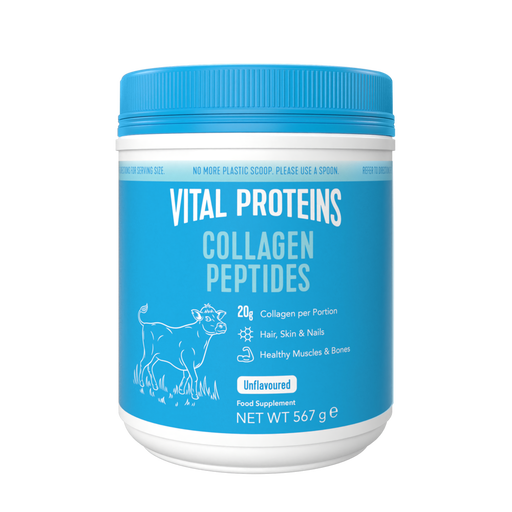
Why This Fits Their Persona: The larger format is practical for regular users who want to reduce repurchasing and already know that an unflavoured powder suits their routine.
The pack states 20g collagen per serving, allowing heavy users to assess quantity directly instead of judging value by tub size alone.
567g pack; unflavoured bovine collagen peptides; suitable for mixing with 236ml of hot or cold liquid.
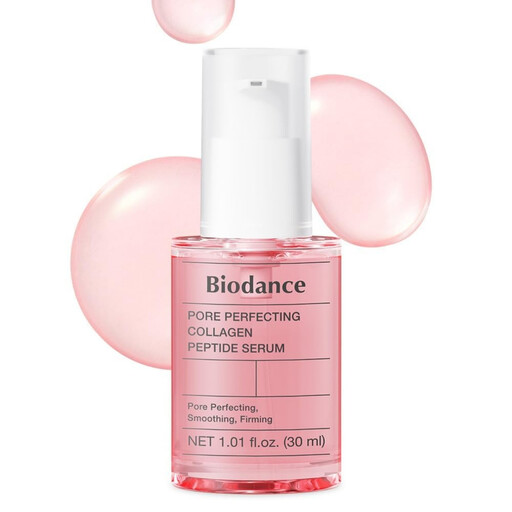
Why This Fits Their Persona: A lightweight option for oily, combination or mature skin concerns focused on visible texture, hydration and the look of enlarged pores.
The ingredient list identifies collagen water, peptides, niacinamide, hyaluronic acid and panthenol, so shoppers can assess the formula beyond the pore-focused name.
30ml dropper bottle; lightweight texture; designed for morning and evening application before moisturiser.
We have compiled a complete, real-time list of products that fully satisfy these strict selection criteria and UK safety regulations.
For skincare, apply a peptide serum after cleansing and before a peptide moisturiser or collagen face cream. A richer overnight face mask can be used as the final evening step, but introduce products gradually if your skin is sensitive.
For supplements, follow the serving instructions on the label and do not combine several high-dose collagen supplements without checking the total intake. Food supplements should not replace a varied, balanced diet and healthy lifestyle. If you are pregnant, breastfeeding, taking medication, managing a medical condition or have known allergies, seek advice from a healthcare professional before use.
Many products are designed for daily use, but the correct amount depends on the label. Skincare should be applied as directed, while powders, capsules and sachets should not exceed the stated daily serving. Consistency matters more than taking several different formats at once.
Powder is often easier to compare by grams per serving and may provide a larger stated collagen quantity. Capsules can be more convenient for travel, but check the number required per serving and the total collagen amount before comparing cost.
The lifespan depends on pack size, serving frequency and storage. Keep powders sealed in a cool, dry place, and follow the best-before information on the packaging. Skincare should be stored away from heat and direct sunlight and discarded if its texture, smell or packaging changes.