
24/7 Customer Support

Free returns

Same-day & Next-day Delivery

Quality Guaranteed

Unlock Your Welcome Offers: FREE Delivery | Up to 80% OFF | Free 30-day JoyPlus trial
Download the APP
Choosing between collagen supplements and peptide skincare can be confusing. Both use the language of firmness, elasticity and fine lines, but they work in different ways and suit different routines. The right choice depends on whether you prefer a topical product, an ingestible supplement or a combination of both.
Before buying, look beyond phrases such as “collagen boosting” and “advanced peptides”. The ingredient list, serving size, skin compatibility and format usually tell you more than the front of the packaging.
A peptide moisturiser or peptide serum is applied to the skin and is primarily selected for hydration, comfort and the appearance of texture. Collagen powder, capsules and collagen sachets are dietary supplements intended for consumption.
They are not interchangeable. A face cream does not provide a measured dietary serving, while a supplement is not a replacement for a moisturiser or sunscreen. Treat claims about collagen production, skin elasticity or wrinkles as cosmetic or nutritional support rather than guaranteed results.
A 450g collagen powder may appear better value than a 150g pack, but the useful comparison is cost per serving, not pack weight. Check how many grams are recommended each day and how long the pack is intended to last.
Some products provide around 2.5g per serving, while others provide 9g, 10g or 20g. These figures cannot be compared fairly without considering the serving instructions and the product’s intended use.
Many collagen supplements are bovine-derived, so they are unsuitable for vegans and may not suit people avoiding animal products. Some flavoured powders contain milk ingredients even when they are free from gluten, soya or added sugar.
For skincare, fragrance, essential oils, alcohol or retinol may be more relevant concerns. Always check the latest packaging, ingredients and warnings, particularly if you have sensitive or blemish-prone skin.
For supplements, look for a clearly stated source, such as hydrolysed bovine collagen peptides, and check whether the product identifies Type I, Type III or a blend. Hydrolysed peptides are designed to mix more easily than unprocessed collagen.
For skincare, look for named peptides in the ingredients list, such as Palmitoyl Tripeptide-5, Acetyl Hexapeptide-8 or Copper Tripeptide-1. Peptides are only one part of a formula, so also consider humectants such as glycerin and hyaluronic acid, barrier-supporting ingredients and potential irritants.
A transparent supplement should state the quantity per serving and a clear recommended intake. Examples in this range include:
Do not assume that a larger number automatically makes a product more suitable. Follow the product label and avoid combining several high-dose collagen supplements without appropriate advice.
A peptide serum should layer comfortably beneath moisturiser and SPF. A richer peptide moisturiser may be more suitable for dry or mature-feeling skin, while a lightweight formula can work better under make-up.
For supplements, consider whether you will realistically use capsules, powder or sachets. Unflavoured collagen peptides can be added to coffee, water or smoothies, while sachets are practical for commuting, holidays and office use.
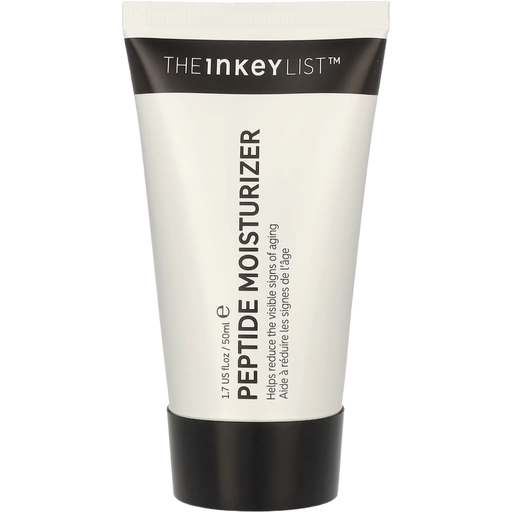
Why This Fits Their Persona: A straightforward starting point for shoppers wanting daily peptide skincare without adding multiple products to a morning and evening routine.
The 50ml product states a fragrance-free formula and provides a peptide duo without relying on an expensive multi-step system.
Fast-absorbing cream texture, fragrance-free formula and suitability for daily use across stated skin types.
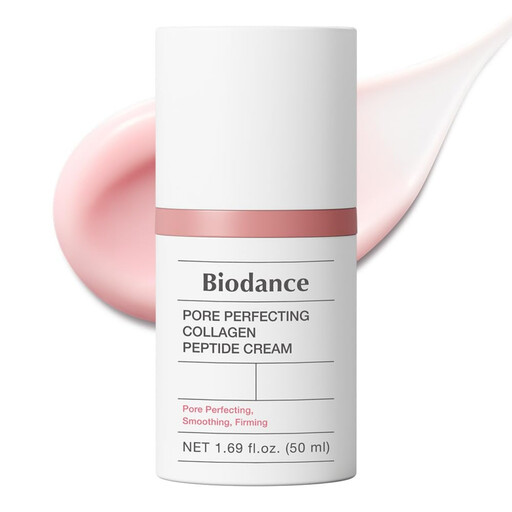
Why This Fits Their Persona: Suits shoppers prioritising a pump dispenser, vegan skincare positioning and a cream aimed at hydration, texture and pore appearance.
The ingredient list and warnings are available for checking, helping shoppers assess the formula rather than relying only on pore-related advertising.
Vegan formula stated by the product description, pump packaging, hyaluronic acid and niacinamide in the listed ingredients.
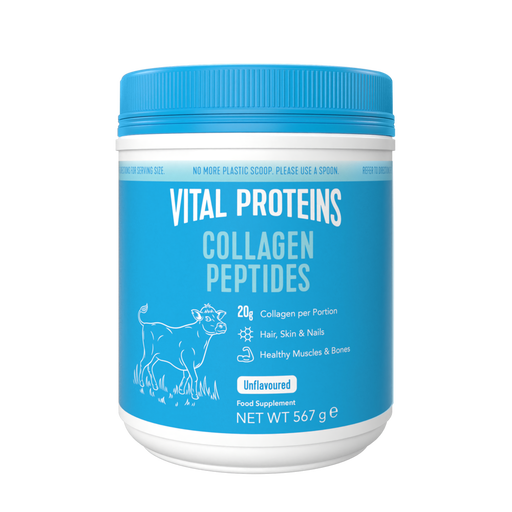
Why This Fits Their Persona: Designed for adults who want a measured format for travel, workdays or a consistent supplement routine away from home.
Each sachet states a 10g serving, reducing the guesswork associated with measuring loose powder.
Single-serve packaging, unflavoured bovine collagen peptides and powder designed to dissolve in daily drinks.
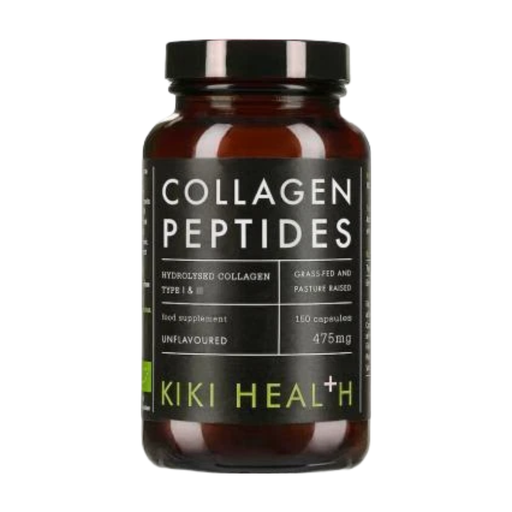
Why This Fits Their Persona: A practical option for adults who dislike mixing collagen powder and prefer a compact bottle for home or commuting.
The product states 950mg of hydrolysed collagen peptides per two-capsule serving and lists 100% hydrolysed bovine collagen as the main ingredient.
150 capsules, Type I and Type III collagen stated in the description and no fillers or additives listed.
We have compiled a complete, real-time list of products that fully satisfy these strict selection criteria and UK safety regulations.
Use skincare products only as directed and patch test unfamiliar formulas, especially when they contain fragrance, essential oils, acids or retinol. Apply a peptide serum after cleansing and before moisturiser, then use sunscreen in the morning.
For collagen supplements, read the label before consumption, follow the stated daily dose and store powders in a cool, dry place. Supplements should not replace a varied diet. If you are pregnant, breastfeeding, taking medication, managing a medical condition or have allergies, seek advice from a healthcare professional before use.
“Vegan collagen skincare” generally refers to skincare containing peptides or plant-derived ingredients rather than animal collagen. Check the product’s own vegan statement and ingredient list rather than assuming that every peptide product is vegan.
No. Collagen peptides are usually hydrolysed collagen used in dietary supplements such as powder, capsules or sachets. Peptide skincare contains cosmetic peptides applied to the skin in products such as moisturisers, serums and masks.
This depends on the format and dosage. A 10-sachet pack provides ten stated servings, while a 567g powder may last longer than a 284g pack when both are taken according to their labels. For skincare, lifespan also depends on frequency of use and the amount applied. Check the packaging for the period-after-opening symbol and expiry information.
Many adults choose to use both, but they serve different roles. A supplement provides a measured dietary intake, while skincare supports surface hydration and the feel and appearance of the skin. Compare ingredients, follow directions and avoid taking multiple similar supplements at once.