
24/7 全天候客户支持

免费退货

当日/次日达

品质保障

开启新人专享福利: 全场免邮 | 低至 2 折 | 免费试用 30 天 JoyPlus 会员
下载 Joybuy
Choosing a collagen powder can look straightforward until you compare marine and bovine sources, serving sizes, flavours, added ingredients and pack formats. Marketing often focuses on phrases such as “advanced absorption” or “beauty support”, but these descriptions do not always tell you how much collagen you receive or whether the product suits your diet.
This guide explains the practical details to check before buying, followed by Our Top Recommendations for different UK shopping needs.
A scoop may weigh 5g, 10g or 12g, but the amount of actual collagen can vary. Some flavoured blends include acids, sweeteners, flavourings or vitamin C, meaning the total powder weight is not always the same as the collagen quantity.
Check the nutrition panel for a clearly stated amount of hydrolysed collagen peptides per serving. The products listed here range from 4,200mg to 20,000mg per serving, depending on the recommended portion.
Marine collagen powder is made from fish and is generally associated with Type I collagen. However, it is not suitable for people with fish allergies and is not vegetarian or vegan. Bovine collagen is derived from cattle and may contain Type I and III collagen, making it a different option for shoppers who prefer a land-animal source.
Always check the allergen statement, particularly when buying a flavoured product made in a facility that also handles milk, soya, eggs or cereals containing gluten.
Low molecular weight, double hydrolysis and “high absorption” are frequently used in product descriptions. Hydrolysed collagen peptides are broken down into smaller peptide chains to make them easier to mix than unprocessed collagen. However, a technical phrase alone should not decide your purchase.
For practical use, prioritise the ingredient list, collagen amount, solubility instructions and dietary suitability. If you dislike sweeteners or want to mix collagen into coffee, porridge or yoghurt, an unflavoured collagen powder with one main ingredient may be more suitable.
Collagen is an animal-derived protein, so a product labelled Paleo or dairy-free is not automatically suitable for every dietary preference. Read the full label rather than relying on front-of-pack wording.
Most products recommend between 5g and 12g daily, while some larger-pack products allow a wider intake range. Compare the number of servings per pack, not only the net weight. A 200g pouch used at 5g per day lasts differently from a 200g pouch used at 10g daily.
For accurate measuring, use the supplied scoop where available and follow the product label. Do not combine several collagen supplements without checking the total intake.
A collagen powder with vitamin C may be convenient if you want collagen and vitamin C in one serving. UK-approved nutrition wording states that vitamin C contributes to normal collagen formation, but it should not be treated as a promise of cosmetic or medical results.
Unflavoured collagen powder is generally more versatile, while strawberry, raspberry, grapefruit and salted caramel versions can make daily use more appealing. Check whether the flavour comes from stevia, sucralose, maltodextrin or milk-derived ingredients.
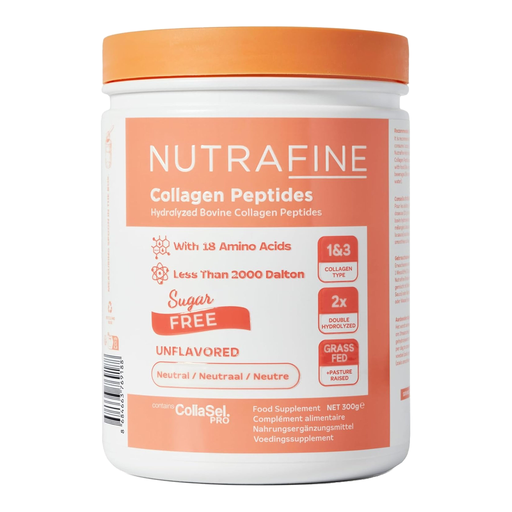
Why This Fits Their Persona: A straightforward starting point for UK adults who want an unflavoured bovine formula that can be added to coffee, smoothies, water or yoghurt.
The label identifies 10g of hydrolysed bovine collagen peptides per serving and lists Types I and III, rather than relying only on broad beauty wording.
Unflavoured, sugar-free and gluten-free, with no added fillers or artificial ingredients listed.
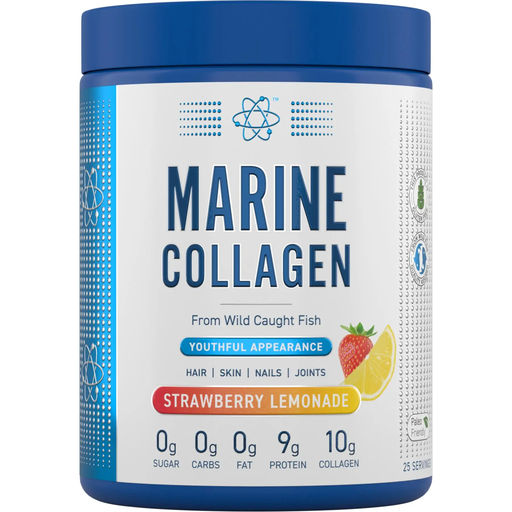
Why This Fits Their Persona: Suits shoppers who prefer a flavoured marine collagen drink rather than adding neutral powder to food or coffee.
The per-serving figures state 10g of marine collagen and 500mg of vitamin C, while the allergen information clearly identifies fish.
Strawberry and raspberry flavour, zero sugar and zero fat per stated serving, with gluten- and dairy-free information provided.
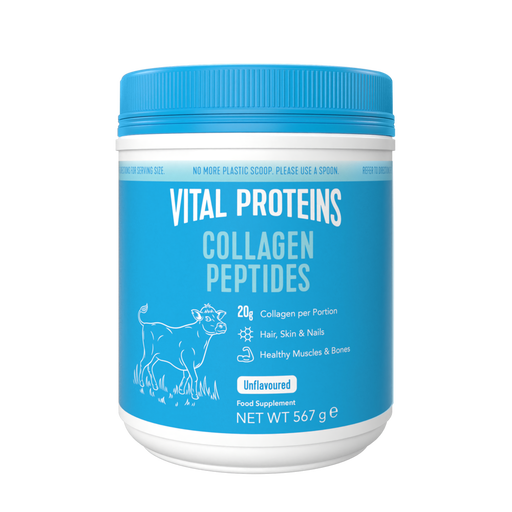
Why This Fits Their Persona: The larger pack is practical for regular users who want an unflavoured powder for drinks and meals without replacing the tub frequently.
The product information states 20g of collagen per serving and gives a clear hot- or cold-liquid mixing method.
567g format, unflavoured bovine collagen peptides and zero stated carbohydrate or fat per serving.
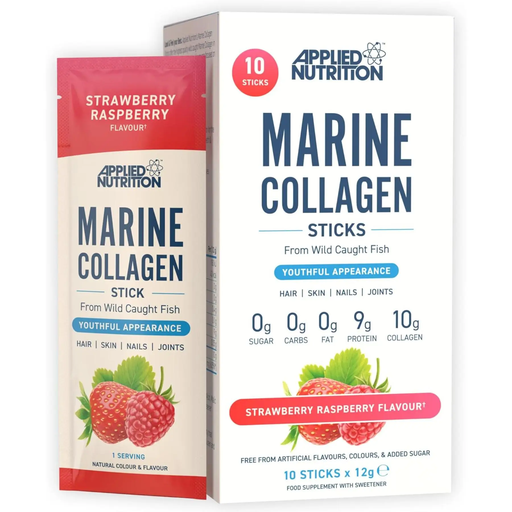
Why This Fits Their Persona: Individual collagen sachets are convenient for office drawers, gym bags, weekends away and travel around the UK.
Each stick states 10g of marine collagen and 500mg of vitamin C, so there is no need to estimate a portion with a loose scoop.
Ten pre-measured sachets, strawberry and raspberry flavour, and instructions for mixing with hot or cold liquids.
We have compiled a complete, real-time list of products that fully satisfy these strict selection criteria and UK safety regulations.
Follow the serving instructions on the label. Most powders can be stirred into water, juice, smoothies, coffee, tea, porridge or yoghurt. For a flavoured product, begin with the recommended liquid volume and stir or shake thoroughly. Keeping the pouch or tub tightly sealed helps reduce moisture-related clumping.
Divide the net weight by the stated serving size. For example, a 300g pack used at 10g daily provides approximately 30 servings, while a 200g pack used at 5g daily provides approximately 40 servings. Your actual usage may differ if the label permits a range of daily portions.
Several products specify that they are gluten-free, dairy-free or contain no added sugar, but these details vary by formulation. Marine products contain fish, while flavoured powders may include sweeteners or milk-derived flavouring. Read the ingredients and allergen information every time, especially if you have an allergy, follow a restricted diet, take medication or are pregnant or breastfeeding.