
24/7 Customer Support

Free returns

Same-day & Next-day Delivery

Quality Guaranteed

Unlock Your Welcome Offers: FREE Delivery | Up to 80% OFF | Free 30-day JoyPlus trial
Download the APP
A collagen powder supplement can be easier to use than tablets, particularly when mixed into a morning coffee, smoothie or glass of water. However, product descriptions often emphasise words such as “advanced”, “high absorption” or “beauty support” without making the practical differences clear.
Before buying, UK shoppers should look beyond the front of the pouch. The collagen source, amount per serving, added ingredients and dietary warnings can all affect whether a product suits your routine.
A 300g tub does not necessarily provide 300g of collagen per serving. Some products include flavourings, acids, sweeteners or vitamins, while others contain only collagen peptides. Always compare the collagen amount per serving, not simply the total pack size.
For example, a 10g serving may provide 10g of collagen, while another product may offer a smaller quantity alongside vitamin C or flavouring. Neither format is automatically more suitable; the right choice depends on your preferred ingredients and daily intake.
Hydrolysed collagen has been broken down into smaller peptide chains to make it easier to mix and digest. It does not guarantee a particular cosmetic or physical outcome, and “low molecular weight” claims should not be treated as proof of superior performance.
A sensible comparison includes the stated collagen quantity, source, serving guidance and ingredient list. Look for transparent labelling rather than relying on phrases such as “maximum absorption”.
Marine collagen powder is derived from fish, while bovine collagen peptides come from cattle. Marine products are not suitable for people with fish allergies, and bovine products may not fit personal, religious or dietary preferences.
Also check for milk, sweeteners and other ingredients. A product described as unflavoured may still require an allergen check, and a flavoured powder may contain stevia, sucralose, milk-derived flavouring or acidity regulators.
Bovine collagen products commonly contain Type I and Type III collagen peptides, while many marine products are primarily Type I. These descriptions help you understand the source, but they should not be interpreted as a medical recommendation.
Choose marine collagen powder if you prefer a fish-derived option and have no fish allergy. Choose bovine collagen peptides if you want a land-animal source and the ingredient list fits your requirements. Neither option is suitable for vegans, as collagen is animal-derived.
Compare the labelled serving size with the total pack weight. Common formats include:
Follow the instructions on the specific product. Do not combine several collagen supplements simply to increase intake.
An unflavoured collagen powder can be added to coffee, tea, juice, porridge or smoothies without changing the intended flavour. Flavoured products may be easier to drink with water but can contain sweeteners, flavourings or colourings.
Check whether the powder is designed for hot liquids, cold liquids or both. A dry, resealable container is also useful because collagen powder can clump when exposed to humidity.
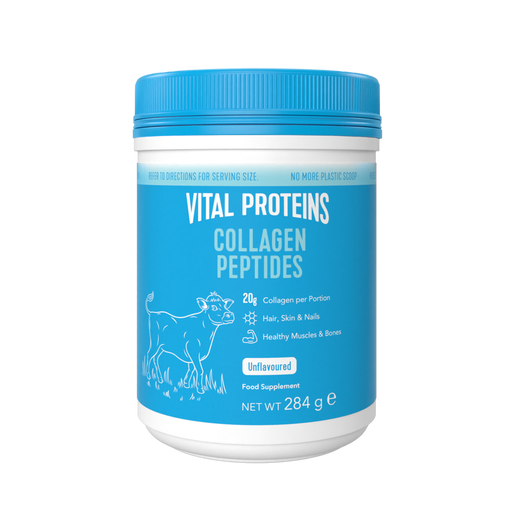
Why This Fits Their Persona: A straightforward starting format for UK adults who want an unflavoured powder without buying a larger tub first. The listed serving is 10g per day.
The ingredient list identifies bovine collagen peptides as the sole ingredient, rather than hiding the collagen amount among several additions.
Unflavoured, designed for hot or cold liquids, and listed as free from added sugars, gluten and dairy.
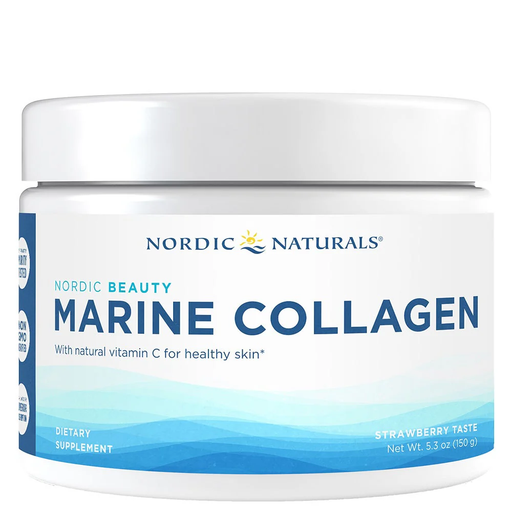
Why This Fits Their Persona: Suits shoppers who prefer a marine source, a strawberry flavour and a smaller daily portion of 5g.
The product clearly states its fish source, serving size and vitamin C content, helping buyers check suitability before ordering.
Provides 4,200mg marine collagen peptides and 45mg vitamin C per stated 5g serving.
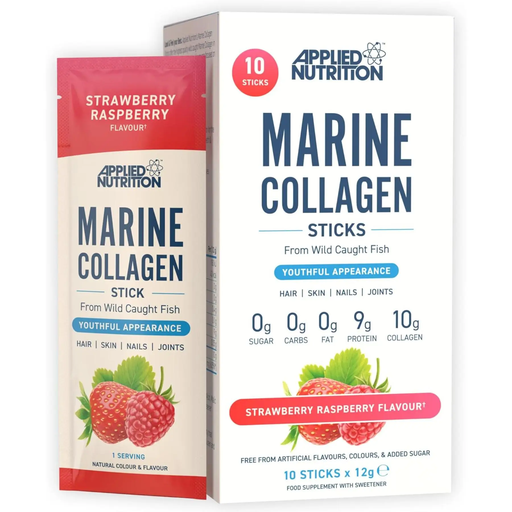
Why This Fits Their Persona: Single-use sachets are convenient for work bags, gym kits and travel around the UK, with no need to carry a scoop.
The pack states the fish allergen, vitamin C quantity and daily sachet instructions, rather than leaving key details to marketing copy.
Each sachet provides 10,000mg marine collagen and 500mg vitamin C, with a strawberry and raspberry flavour.
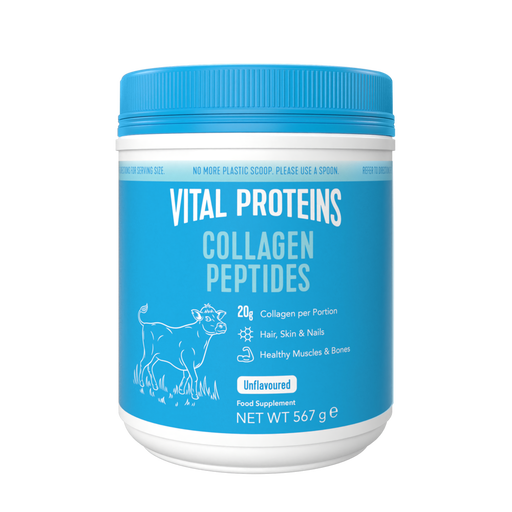
Why This Fits Their Persona: The larger tub is suited to adults who already know they prefer daily bovine collagen and want a longer-lasting household format.
Its product information specifies the bovine source and gives a measured scoop-based serving, making usage easier to track.
Unflavoured and soluble in hot or cold liquids; the product information lists 20g collagen per stated serving.
Use the serving size printed on the current label and measure powder consistently. Mixing it into a familiar drink can make the routine easier to maintain, but collagen should complement a varied, balanced diet rather than replace ordinary protein sources or meals.
Food supplements are not medicines and should not be used to diagnose, treat or prevent disease. Check the allergen information carefully. If you are pregnant, breastfeeding, taking prescribed medication or managing a medical condition, seek advice from a qualified healthcare professional before use.
We have compiled a complete, real-time list of products that fully satisfy these strict selection criteria and UK safety regulations.
This depends on the pack size and serving guidance. A 284g tub used at 10g daily provides approximately 28 servings. Always calculate using the labelled serving size rather than assuming one scoop equals one day.
Many unflavoured products are designed for hot and cold liquids, but check the product directions first. Stir thoroughly and keep the container sealed between uses to reduce clumping caused by moisture.
Some products are listed as free from dairy and gluten, but collagen itself is animal-derived and is not vegan. Marine products contain fish, while some flavoured bovine products may contain milk ingredients. Read the full label and allergen statement before purchase.