
24/7 Customer Support

Free returns

Same-day & Next-day Delivery

Quality Guaranteed

Unlock Your Welcome Offers: FREE Delivery | Up to 80% OFF | Free 30-day JoyPlus trial
Download the APP
Collagen supplements are available as powders, sachets, tablets, capsules, gummies and liquid gels. That variety is useful, but it can also make comparison difficult. A colourful label may focus on “beauty support” while hiding a modest collagen quantity, added sweeteners or an inconvenient serving routine.
For UK shoppers, the most practical choice is usually the product that fits your diet, preferred format and realistic daily habits. Before buying, check the actual collagen amount, source, ingredients and usage instructions rather than relying on broad claims about skin, hair, nails or joints.
A large tub or a long ingredient list does not necessarily mean a high collagen intake. Some products contain several added nutrients but only a small amount of collagen per daily serving. Gummies and capsules can be especially compact: convenient, but often lower in collagen than a powder or liquid sachet.
Compare the grams or milligrams of collagen per stated daily serving, not just the pack size.
Marine collagen is derived from fish, while bovine collagen comes from cattle. Neither source is automatically suitable for everyone. Marine products are not suitable for people with a fish allergy, and some formulas may be made in facilities handling other allergens.
Hydrolysed collagen or collagen peptides means the collagen has been broken down into smaller peptide chains for use in a powder, drink or capsule. It describes the form of the ingredient, not a guaranteed result.
Flavoured collagen powder may contain sucralose, stevia, maltodextrin or other ingredients that matter if you follow a low-carbohydrate, sugar-free or minimally processed diet. Gummies can also contain glucose syrup and sugar. Always read the ingredients and nutrition panel, especially when buying beauty supplements for long-term use.
Choose marine collagen if fish-derived collagen fits your dietary preferences, but check the fish allergen declaration carefully. Bovine collagen may suit shoppers following a Paleo-style routine or looking for Type I and Type III collagen, although it is not suitable for vegetarians or vegans.
The source should be clearly stated on the label. Also check for milk, soya, gluten and other allergens if relevant to your household.
Serving sizes vary considerably:
There is no single format that suits everyone. A powder may offer more collagen per serving, while capsules or gummies can be easier to maintain when travelling or when you dislike mixing drinks.
Vitamin C contributes to normal collagen formation, making it a relevant supporting ingredient. However, it should not be treated as proof that a product will change your skin, hair or joints.
Look for a transparent label showing the amount of collagen, vitamin C and any additional ingredients. Check whether the product contains added sugar, sweeteners, hyaluronic acid, biotin, MCT powder or flavourings. Follow the product’s stated serving instructions rather than combining several high-dose beauty supplements without professional advice.
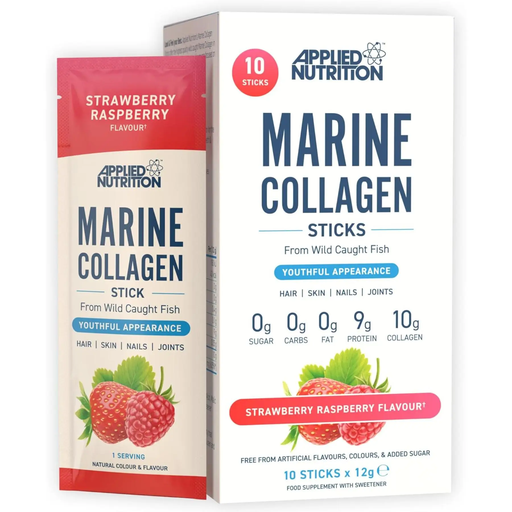
Why This Fits Their Persona: Individual sachets provide a straightforward way to try a daily marine collagen routine without measuring from a large tub. They mix with 200–300ml of hot or cold liquid.
The label states 10,000mg marine collagen and 500mg vitamin C per sachet, making the main quantities easy to identify.
Portable stick packs; strawberry and raspberry flavour; no added sugar.
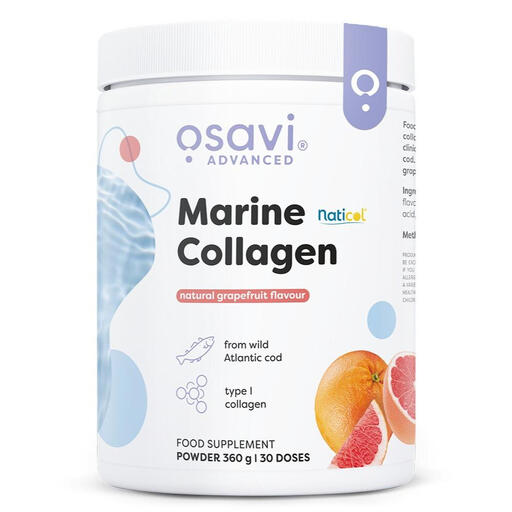
Why This Fits Their Persona: A 360g tub with a measuring scoop suits shoppers who want a longer powder routine and prefer a flavoured drink over capsules.
The stated daily portion is 12g, with wild Atlantic cod collagen peptides and vitamin C listed in the formula.
One-month pack; grapefruit flavour; gluten-free, lactose-free and soy-free according to the product description.
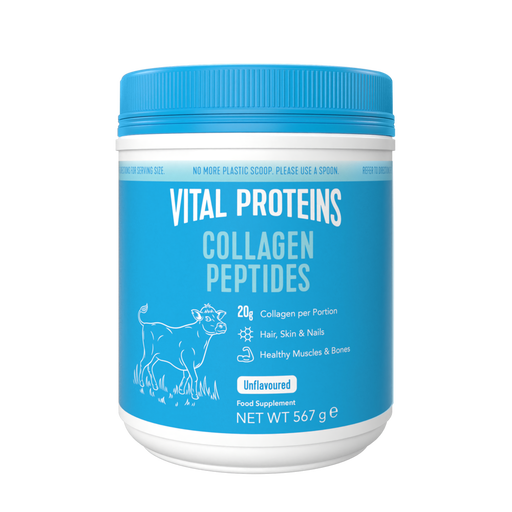
Why This Fits Their Persona: The large unflavoured tub suits regular users who want to add collagen peptides to coffee, smoothies or other drinks without changing the taste.
The product uses a single-ingredient bovine collagen peptide formula, so there are fewer flavourings or supporting ingredients to compare.
20g collagen per stated serving; unflavoured; suitable for hot or cold liquids.
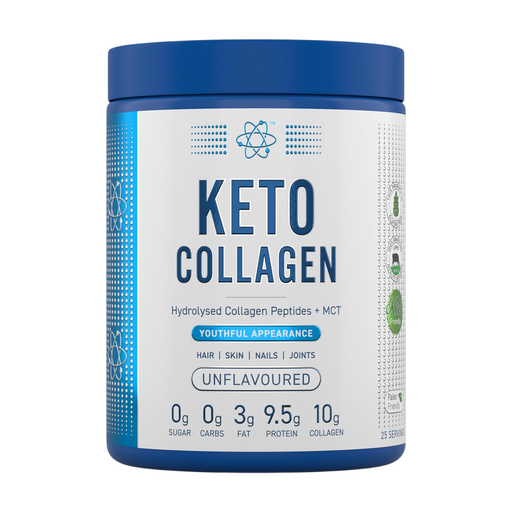
Why This Fits Their Persona: This unflavoured powder is designed for adults who want collagen alongside MCT powder in a keto, Paleo or low-carbohydrate routine.
The nutrition information lists zero carbohydrates and zero sugars per 13g serving, helping shoppers check compatibility with their macros.
10g hydrolysed bovine collagen per serving; includes coconut-derived MCT powder; no added flavour.
We have compiled a complete, real-time list of products that fully satisfy these strict selection criteria and UK safety regulations.
Follow the label’s recommended serving and mix it into the stated amount of water, coffee, juice or a smoothie. Powders can be flavoured or unflavoured collagen powder, while sachets offer pre-measured portions. Avoid exceeding the recommended daily intake.
Most products are designed for daily use, but the routine depends on the label. Choose a format you can use consistently, such as capsules with a meal, gummies at a convenient time or powder added to a morning drink. A supplement should complement a varied, balanced diet rather than replace it.
Compare the cost per daily serving and the collagen amount per serving. Powder often provides more collagen by weight, while capsules and gummies can offer greater portability. Gummies may also contain sugars or sweeteners, so check the nutrition panel before comparing prices. Always check the pack label for current ingredients, serving guidance and allergen information.