
24/7 Customer Support

Free returns

Same-day & Next-day Delivery

Quality Guaranteed

Unlock Your Welcome Offers: FREE Delivery | Up to 80% OFF | Free 30-day JoyPlus trial
Download the APP
Collagen supplements are available as powders, capsules, sachets, tablets and flavoured drinks, but the differences between products are not always obvious from the front of the packaging. A low price may reflect a small serving, while an impressive-looking ingredient list may make it difficult to understand how much collagen you are actually taking.
For UK shoppers looking for skin, hair and nails support, joint support or a convenient daily protein addition, the following checks can help prevent wasted spending.
A large tub does not necessarily provide a high daily intake. Compare the collagen amount per serving rather than the net weight alone. For example, a powder may provide 10g or 20g per serving, while a capsule serving may provide less than 1g.
Also check how many servings the pack contains. Sachets are convenient, but a ten-sachet box may only cover ten days if the instructions recommend one sachet daily.
Bovine collagen commonly contains Type I and Type III collagen peptides, while marine collagen is usually Type I and is derived from fish. The choice may depend on dietary preferences, allergies, sourcing priorities and intended use.
Marine collagen is not suitable for people with a fish allergy. Bovine collagen is not suitable for those avoiding cattle-derived ingredients. Always read the allergen statement rather than relying on terms such as “clean” or “natural”.
Words such as “advanced”, “high absorption” and “beauty complex” do not tell you how much collagen the product contains. Look for objective details including:
Supplement claims should not be treated as medical promises. Collagen products are dietary supplements and should be used alongside a varied, balanced diet and healthy lifestyle.
Hydrolysis breaks collagen into smaller peptide chains. This is the format used in many collagen powders, capsules and sachets, and it generally mixes more easily than unprocessed collagen. However, “hydrolysed” does not by itself indicate the correct dose or suitability for every person.
Compare the actual grams or milligrams per serving. The products listed below range from 950mg per two capsules to 20g per serving, so they suit very different routines.
Type I collagen is commonly associated with skin, hair, nails, bones and connective tissues. Type III is also found in connective tissue and is often included in bovine collagen formulas alongside Type I.
These labels describe the collagen profile, not a guaranteed result. They are useful for comparing products, especially if you have a preference for a bovine Type I and Type III formula or a marine Type I option.
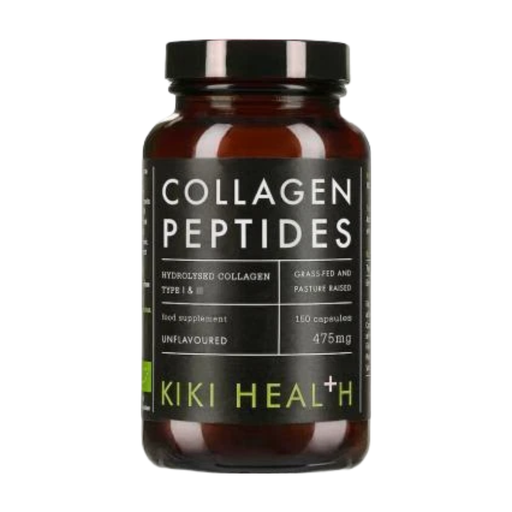
Why This Fits Their Persona: A capsule format suits adults who want a straightforward routine without mixing powder into drinks.
The label specifies 950mg of hydrolysed bovine collagen peptides per two-capsule serving, so the serving quantity is clear.
100% hydrolysed bovine collagen, Type I and Type III, with no fillers or additives listed.
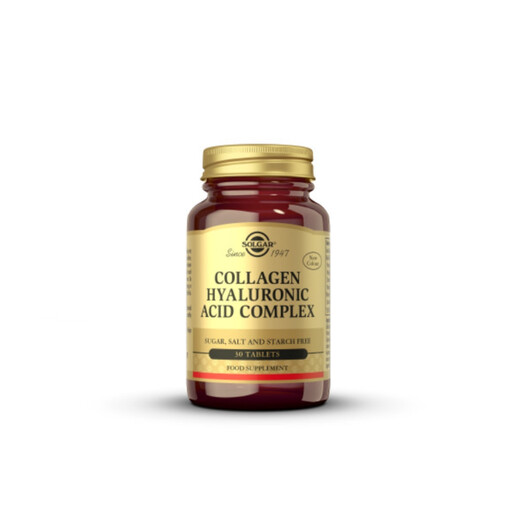
Why This Fits Their Persona: A one-tablet format may suit shoppers seeking a compact beauty-support formula with added nutrients.
The formula clearly lists its additional ingredients, including vitamin C, hyaluronic acid and hydrolysed Type II collagen.
Each tablet provides 1,200mg of BioCell Collagen II complex and 100mg of vitamin C, according to the product information.
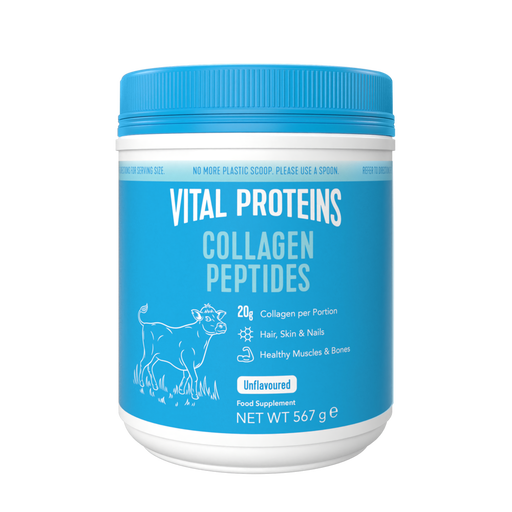
Why This Fits Their Persona: The larger tub suits adults who prefer a higher collagen serving and regular use at home.
The pack states 20g of bovine collagen peptides per serving, removing uncertainty around the amount in each scoop.
Unflavoured powder designed to dissolve in hot or cold liquids, with 567g supplied per pack.
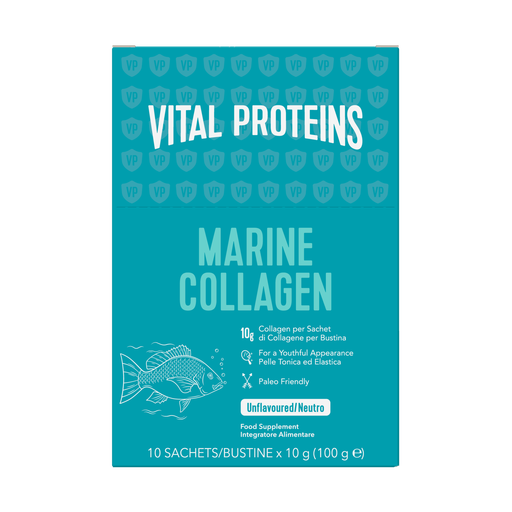
Why This Fits Their Persona: Individual portions are convenient for commuting, holidays, business travel and post-workout routines.
The product identifies collagen as fish-derived and provides a defined 10g amount per sachet, making both source and portion visible.
Ten individually sealed sachets with a soluble marine collagen powder and no artificial colours, flavours or fillers listed.
We have compiled a complete, real-time list of products that fully satisfy these strict selection criteria and UK safety regulations.
Follow the serving instructions on the product label and avoid combining several high-dose collagen supplements unless a healthcare professional advises you to do so. Powders should be mixed thoroughly into the recommended amount of liquid, while capsules should be swallowed as directed.
Check for allergens, particularly fish, milk and bovine ingredients. If you are pregnant, breastfeeding, taking medication or managing a medical condition, seek professional advice before use. Food supplements should not replace a varied diet.
Value depends on the cost per serving, collagen amount and whether the format fits your routine. A cheaper tub may provide smaller servings, while sachets may cost more per portion in exchange for portability. Compare like for like using the stated daily serving.
Divide the net amount by the recommended daily quantity. A 300g powder used at 10g per day provides approximately 30 daily portions. A box labelled 10 sachets provides ten portions when used at one sachet daily. Always follow the instructions on the current product label.
Some formulas already contain vitamin C, biotin, hyaluronic acid or other nutrients. Check the full ingredient list before adding another product with overlapping ingredients. If you take prescribed medication or have a medical condition, ask a healthcare professional for individual guidance.