
24/7 Customer Support

Free returns

Same-day & Next-day Delivery

Quality Guaranteed

Unlock Your Welcome Offers: FREE Delivery | Up to 80% OFF | Free 30-day JoyPlus trial
Download the APP
Collagen supplements are widely available in powders, capsules and single-serve sachets, but comparing them by front-of-pack claims alone can lead to unnecessary spending. A large tub may contain less collagen per serving than expected, while a flavoured product may include sweeteners or allergens that do not suit your diet.
As the Joybuy Product Recommendation Officer, I focus on practical details that help shoppers look beyond marketing language. Whether you want collagen for skin, hair and nails, joint support or a low-carbohydrate routine, these are the checks worth making before you buy.
A 300g or 450g tub can look economical, but the number of servings depends on the recommended scoop size. One product may provide 10g of collagen per serving, while another uses a smaller 2.5g portion. Compare the collagen amount per daily serving, not just the total pack weight.
Also check whether the serving includes other ingredients. A keto collagen formula, for example, may contain MCT powder, which changes its calorie and fat profile compared with pure collagen powder.
Marine collagen and bovine collagen have different source considerations. Marine products contain fish and are unsuitable for people with fish allergies. Bovine collagen may suit shoppers avoiding seafood, but it is not vegetarian or vegan.
Terms such as “wild-caught”, “grass-fed” or “low molecular weight” may be useful product details, but they do not replace checking the full ingredients list, allergen statement, manufacturer information and recommended intake.
An unflavoured collagen powder can be mixed into coffee, porridge, yoghurt or smoothies, making it versatile for daily use. Flavoured collagen may be easier to enjoy consistently, but check for sweeteners, colourings and flavourings.
Sachets can reduce measuring and are convenient for commuting or travel, although the cost per serving and packaging waste may be higher than with a larger tub.
Most bovine formulas in this selection provide Types I and III, while many marine products focus on Type I. Look for the source to be clearly stated as bovine, marine or another material. If following Halal, Paleo, gluten-free, dairy-free or keto preferences, confirm the specific certification or suitability on the current product label.
Hydrolysed collagen peptides are collagen broken down into smaller peptide chains. This format generally mixes more readily than larger collagen proteins and is common in powders and sachets. However, “hydrolysed” does not automatically mean a product is suitable for everyone; the ingredient list and allergen information remain essential.
Compare the stated collagen quantity with the suggested daily dose:
Unflavoured collagen powder suits people who want flexibility and minimal ingredients. Collagen sachets are useful for office drawers, gym bags and holidays. Capsules may appeal to shoppers who dislike mixing drinks, but they can involve taking several capsules daily. Marine collagen is worth considering if you prefer a fish-derived source, while grass-fed collagen may appeal to those looking for a bovine product with a specified cattle-rearing description.
The products below are matched to different shopping priorities rather than ranked against one another.
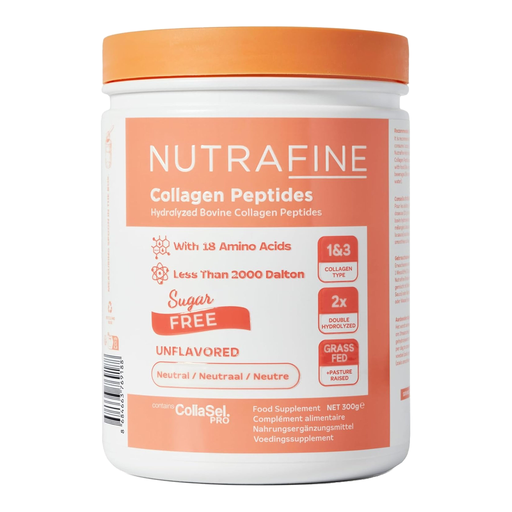
Why This Fits Their Persona: A straightforward entry point for adults who want an unflavoured bovine collagen powder for daily drinks or meals.
The label states 10g of hydrolysed bovine collagen peptides per scoop and identifies the formula as sugar-free, gluten-free and free from fillers.
Types I and III; tasteless and odourless; mixes with coffee, smoothies, water or yoghurt.
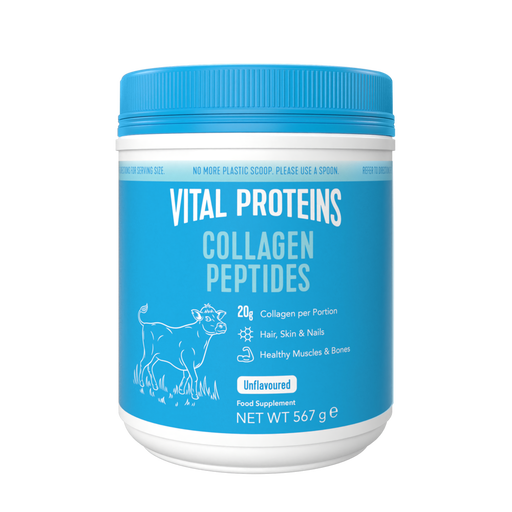
Why This Fits Their Persona: The larger format is suited to regular users who prefer a simple powder for ongoing routines.
The unflavoured, single-ingredient format makes it easier to check what you are buying rather than paying for a long blend of extras.
Provides 20g collagen per stated serving; no added sugar, gluten or dairy; suitable for hot and cold liquids.
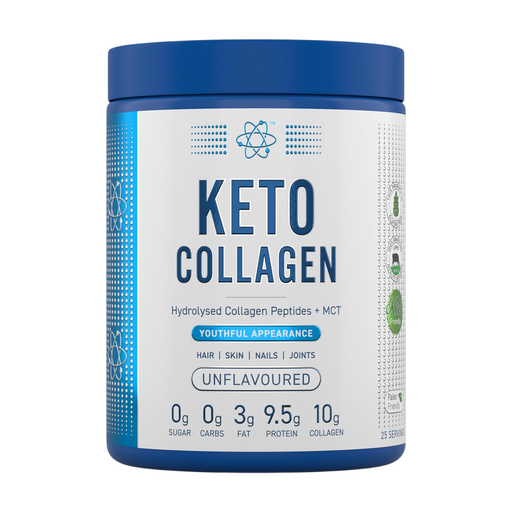
Why This Fits Their Persona: Designed for adults following keto, Paleo or low-carbohydrate routines who also want MCT powder in the same serving.
The nutrition panel identifies 0g carbohydrate per 13g serving, so shoppers can account for the MCT ingredient rather than assuming this is pure collagen.
10g hydrolysed bovine collagen per serving; unflavoured; includes coconut-derived C8 and C10 MCTs.
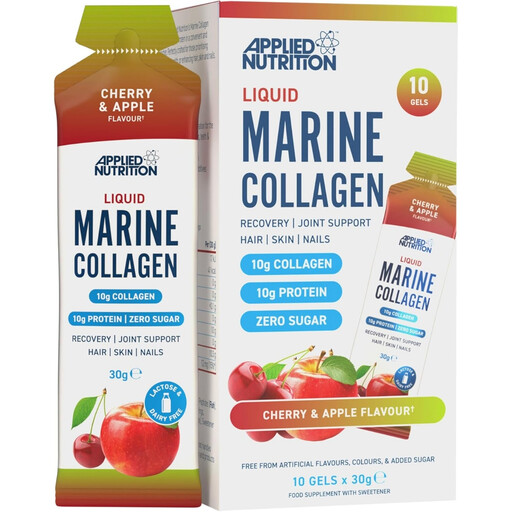
Why This Fits Their Persona: Individual sachets suit commuters, gym users and travellers who prefer a flavoured marine collagen drink without carrying a tub.
The pack clearly states one 12g sachet per day, 10g marine collagen and fish allergen information, helping buyers avoid vague portion claims.
Cherry and apple flavour; 500mg vitamin C per serving; mixes into 200–250ml of hot or cold liquid.
We have compiled a complete, real-time list of products that fully satisfy these strict selection criteria and UK safety regulations.
Follow the serving instructions on the product label and do not combine several collagen supplements without checking the total intake. Food supplements should complement, not replace, a varied diet and healthy lifestyle.
Check allergens carefully: marine collagen contains fish, while some flavoured powders may contain or be handled alongside milk, soya, egg or cereals containing gluten. Adults who are pregnant, breastfeeding, taking medication or managing a medical condition should seek advice from a healthcare professional before use. Stop taking a product if an adverse reaction occurs, and store powders in a cool, dry place with the container sealed.
Shelf life varies by product and is stated on the packaging. Once opened, keep powder dry and tightly sealed. Sachets generally offer individually protected portions, while tubs require careful storage to prevent clumping.
They can cost more per serving because each dose is individually packaged. Their value depends on whether portability and measured portions help you maintain a consistent routine.
Many unflavoured collagen powders are designed to mix with hot drinks such as coffee. Follow the product directions, stir thoroughly and check the label for any temperature or preparation guidance.