
24/7 Customer Support

Free returns

Same-day & Next-day Delivery

Quality Guaranteed

Unlock Your Welcome Offers: FREE Delivery | Up to 80% OFF | Free 30-day JoyPlus trial
Download the APP
Collagen supplements are available in almost every format, from marine collagen powder and bovine collagen peptides to collagen sachets, capsules, effervescent tablets and gummies. The wide choice is useful, but it also makes it easy to pay for an attractive label without checking what you are actually getting.
For UK shoppers, the key is to compare the collagen source, amount per serving, ingredients and format rather than relying on phrases such as “premium”, “advanced” or “maximum absorption”. This guide explains the main buying pitfalls and highlights suitable options for different routines.
A large tub may look economical, but the number of servings depends on the recommended portion. One product may provide 5g per serving, while another supplies 10g or 20g. Compare the cost per daily serving, not just the weight printed on the front.
Also check whether the stated collagen amount applies to the whole serving or to the complete formula. Products containing vitamin C, flavourings or sweeteners may list the total powder weight separately from the collagen content.
Marine collagen is generally sourced from fish and is commonly associated with Type I collagen. Bovine collagen peptides often provide Types I and III. Neither source is universally suitable for everyone.
Marine products are unsuitable for people with fish allergies, while bovine products are not suitable for vegetarians or vegans. A product described as “clean label” may still contain relevant allergens, such as fish or milk flavouring, so read the ingredients and allergen panel carefully.
Collagen supplements are food supplements, not medicines or cosmetic treatments. Statements about skin, hair, nails or joints should not be interpreted as guaranteed outcomes. Look for clear, measurable information such as collagen grams per serving, collagen type, added nutrients and recommended use.
Where vitamin C is included, the permitted nutrition claim is that it contributes to normal collagen formation. This does not mean the product will reverse visible ageing or treat a joint condition.
Bovine collagen peptides are commonly used in products providing Types I and III collagen. Type I is associated with structural tissues including skin, bone and tendons, while Type III is also found in connective tissue. Marine collagen is usually Type I and comes from fish.
The source matters for dietary suitability, allergies and personal preference. Check whether the label says fish, bovine or another source, rather than relying on the product name alone.
Hydrolysed collagen has been processed into smaller peptide chains, making it easier to dissolve in drinks and food. However, “hydrolysed” does not by itself prove a particular result or absorption rate.
Serving sizes vary considerably. Examples in this range include 5g, 7.5g, 9g, 10g and 20g. Compare the amount you would realistically take each day with the product’s instructions. Do not combine several high-dose collagen supplements unless a healthcare professional advises you to do so.
An unflavoured collagen powder can be added to coffee, porridge, smoothies or yoghurt without introducing a strong taste. Flavoured powders and collagen sachets can be more convenient when travelling, but may contain sweeteners, acids or colourings.
Capsules and gummies are portable, although they may provide less collagen per daily serving than powder. For example, a gummy may contain 500mg of marine collagen per serving, while a powder may provide several grams. Check the serving instructions before comparing formats.
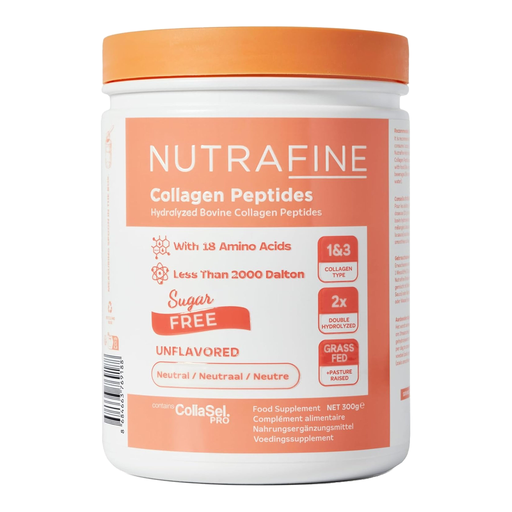
Why This Fits Their Persona: A straightforward option for adults starting a daily powder routine without paying for flavouring or a long list of extras. The 300g pack uses a 10g scoop and can be mixed into drinks or yoghurt.
The label identifies hydrolysed bovine collagen peptides and a defined 10g serving, avoiding vague “beauty blend” wording.
Types I and III; unflavoured, sugar-free and free from artificial additives or fillers.
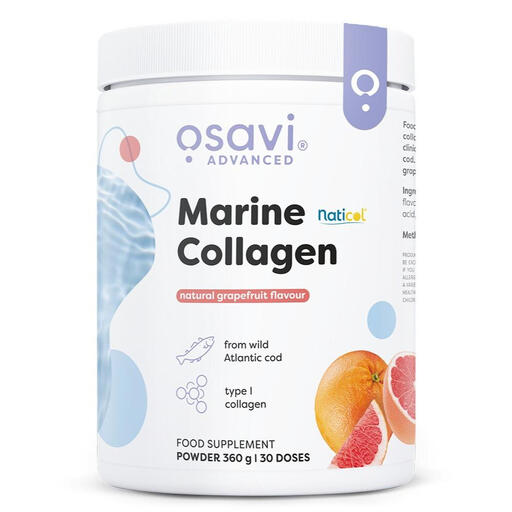
Why This Fits Their Persona: Suitable for shoppers who prefer a flavoured marine collagen powder with a measured scoop and added vitamin C. The 360g pack is designed for a regular daily routine.
The product specifies wild Atlantic cod as the source and states that it contains fish, making the allergen information clear.
12g daily serving; vitamin C; gluten-free, lactose-free and soy-free according to the supplied product information.
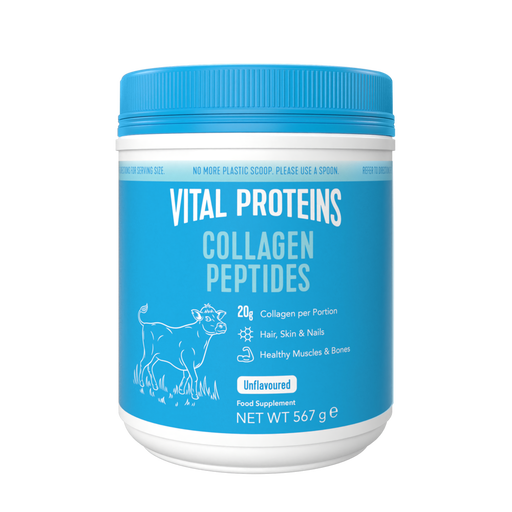
Why This Fits Their Persona: Useful for commuters, frequent travellers and gym users who want a pre-measured portion without carrying a large tub. Each sachet contains 10g of bovine collagen peptides.
The single-serve format removes guesswork over portioning and reduces the temptation to take an unmeasured scoop.
Ten individual sachets; unflavoured powder; dissolves in hot or cold liquids.
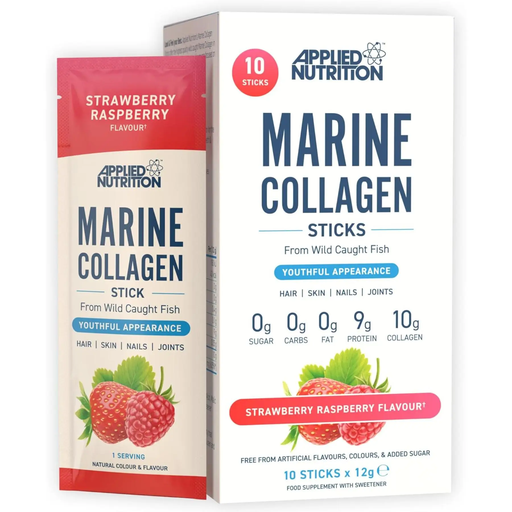
Why This Fits Their Persona: A practical choice for adults who prefer a fruity drink rather than an unflavoured powder. The stick sachets are convenient for work bags and travel.
The pack states 10g marine collagen and 500mg vitamin C per 12g sachet, so the active amounts are distinguishable from flavouring ingredients.
Marine source; strawberry and raspberry flavour; no added sugar listed; contains fish, which should be checked by allergy sufferers.
Divide the net weight by the stated daily serving. A 300g tub used at 10g per day provides approximately 30 servings, while a 360g tub used at 12g per day provides approximately 30 servings. Actual usage may differ, so follow the product label rather than increasing the portion.
They are not necessarily cheaper per gram. Capsules and gummies can be easier to carry and take, but their collagen amount per serving may be lower. Compare the price per gram of collagen, alongside the number of capsules or gummies required each day.
Some collagen products already contain vitamin C, biotin or hyaluronic acid. Check the full ingredient list before adding another beauty supplement, particularly if you take medicines, are pregnant or breastfeeding, have a medical condition or have known allergies. Follow the recommended intake and seek advice from a healthcare professional where appropriate.
We have compiled a complete, real-time list of products that fully satisfy these strict selection criteria and UK safety regulations.