
24/7 Customer Support

Free returns

Same-day & Next-day Delivery

Quality Guaranteed

Unlock Your Welcome Offers: FREE Delivery | Up to 80% OFF | Free 30-day JoyPlus trial
Download the APP
Collagen supplements are available in powders, capsules and single-serve sachets, with options made from bovine hides, fish or grass-fed cattle. However, a higher price or attractive beauty wording does not automatically mean a product suits your routine.
The main buying risks are usually straightforward:
The label should clearly state whether the product contains bovine collagen, marine collagen or another source.
Bovine products commonly contain Type I and III collagen, as found in products such as bovine collagen powder and grass-fed collagen. Marine products generally provide Type I collagen and contain fish, so they are not suitable for people with fish allergies and are not vegetarian or vegan.
Source also matters for dietary preferences. Some products are labelled gluten-free, dairy-free, Paleo-friendly, Halal or Kosher, but these details should be confirmed on the current packaging rather than assumed from the product category.
Hydrolysed collagen has been processed into smaller peptides that are designed to mix more readily into drinks and food. This is why the terms collagen peptides and hydrolysed collagen powder appear frequently on supplement labels.
Compare the actual collagen amount per serving, not just the tub weight. Examples in this range include:
The recommended amount varies considerably. Follow the instructions on the product label and avoid combining several high-dose collagen supplements without appropriate advice.
A powder is usually economical for daily use and can be mixed into coffee, porridge, yoghurt, smoothies or water. An unflavoured collagen powder is practical if you do not want to alter the taste of your usual drink.
Flavoured products, such as lemon, grapefruit or strawberry lemonade, may be easier to enjoy consistently. Check the ingredient list for sweeteners, flavourings and allergens. Products containing vitamin C may appeal to shoppers looking for collagen with vitamin C; vitamin C contributes to normal collagen formation under permitted UK nutrition claims.
Capsules avoid mixing altogether, but the collagen amount per serving may be lower and some users may need several capsules daily. Collagen sachets are useful for commuting, work or travel because each portion is pre-measured.
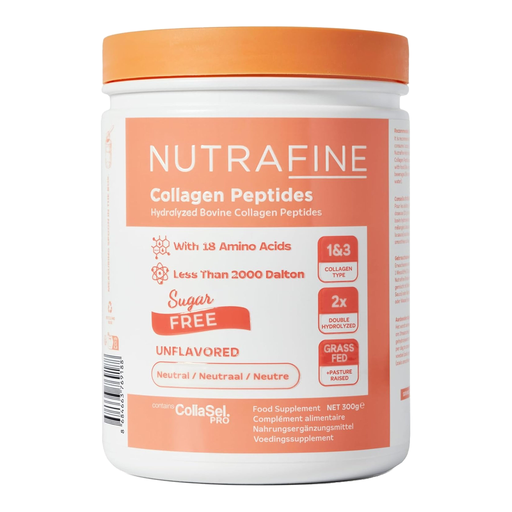
Why This Fits Their Persona: A simple daily powder for UK shoppers starting with bovine collagen and wanting to mix one 10g scoop into coffee, smoothies, water or yoghurt.
The label lists hydrolysed bovine collagen peptides, with no added sugar, fillers or artificial ingredients, making the ingredient comparison more straightforward.
Types I and III; 10g serving; unflavoured and odourless; gluten-free according to the product information.
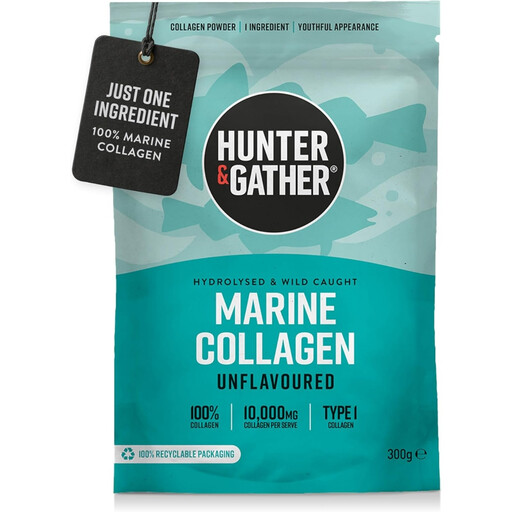
Why This Fits Their Persona: Suitable for adults seeking an unflavoured marine collagen powder with a single-ingredient format and a stated wild-caught whitefish source.
The product information identifies the fish source, collagen type and 10g serving, rather than relying only on broad beauty wording.
Type I marine collagen; 10,000mg per 10g serving; unflavoured; listed as free from gluten, dairy and soy.
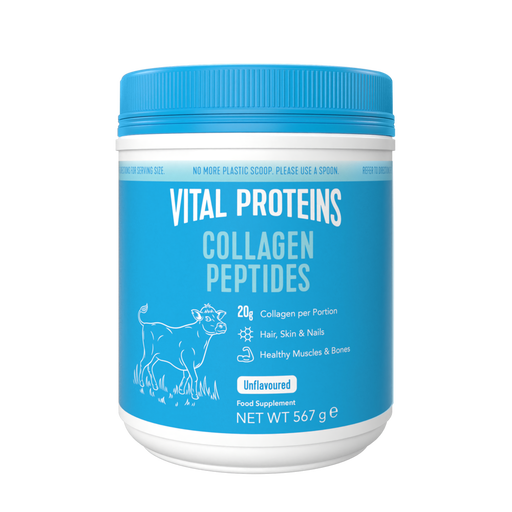
Why This Fits Their Persona: The larger 567g format is suited to adults who prefer buying a substantial supply for regular powder use at home.
The stated serving is 20g, so shoppers can calculate daily usage and compare the pack fairly with 10g-serving products.
Unflavoured bovine collagen peptides; 20g collagen per serving; suitable for hot or cold liquids.
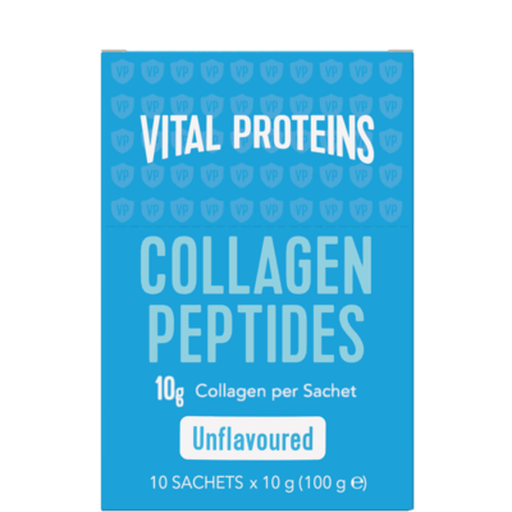
Why This Fits Their Persona: Individual 10g portions work well for commuting, holidays, gym bags and office drawers where carrying a large tub is inconvenient.
Each sachet provides a stated 10g portion, reducing the need to measure powder while travelling.
Pure bovine collagen peptides; 10 individual sachets; designed to dissolve in hot or cold drinks.
We have compiled a complete, real-time list of products that fully satisfy these strict selection criteria and UK safety regulations.
Many products are labelled for daily adult use, but the correct amount depends on the individual product. Follow its recommended serving and do not stack multiple collagen products without suitable advice.
Neither format is automatically preferable. Powder usually offers a larger collagen serving and can be mixed into food or drinks, while capsules are convenient and avoid preparation. Compare the collagen amount per serving and choose the format you are most likely to use consistently.
Keep it sealed in a cool, dry place away from direct sunlight and moisture. Close resealable pouches and tubs promptly after use to reduce clumping. Always check the best-before date and current label instructions before consumption.