
24/7 Customer Support

Free returns

Same-day & Next-day Delivery

Quality Guaranteed

Unlock Your Welcome Offers: FREE Delivery | Up to 80% OFF | Free 30-day JoyPlus trial
Download the APP
Collagen supplements can look remarkably similar on a product page, yet the practical differences may affect taste, daily cost, dietary suitability and how easy they are to use consistently. A large tub is not automatically better value, while a fashionable collagen serum should not be judged by the same criteria as an ingestible supplement.
As the Joybuy Product Recommendation Officer, my role is to filter out marketing noise and focus on the details that matter when shopping in the UK.
A collagen serum, cream or face mask is designed for external use. It can provide a moisturising or conditioning step in a skincare routine, particularly when combined with ingredients such as glycerin or hyaluronic acid. It should not be swallowed and cannot be compared directly with a collagen powder or capsule.
Similarly, a food supplement is intended for consumption according to its label. Check whether you are buying collagen for skin, hair and nails, joint support or simply a convenient protein supplement before comparing prices.
A 567g tub may appear more economical than a 150g pouch, but the useful comparison is cost per serving and collagen per serving. Products vary significantly: some powders provide around 9–10g per portion, while others provide 2.5g or less. Capsules and gummies may offer greater convenience but usually contain less collagen per daily serving than a powder.
Always check the recommended daily amount, number of servings and whether the scoop size is level or heaped.
Marine collagen is derived from fish and is unsuitable for people with fish allergies. Bovine collagen peptides come from cattle and may suit some dietary preferences, but not others. A product described as halal, gluten-free or dairy-free should still be checked against its current packaging and ingredient list.
Flavoured powders can also contain sweeteners, milk ingredients or additional carbohydrates. “Clean label” is not a regulated guarantee of suitability, so read the full ingredients panel.
Hydrolysed collagen has been broken into smaller peptides to make it easier to mix into drinks. This improves convenience, but the word “hydrolysed” alone does not tell you how much collagen you receive. Compare the collagen quantity in milligrams or grams per serving.
For example, Vital Proteins Collagen Peptides Unflavoured 284g lists 10g per serving, while KIKI Health Collagen Peptides Beauty Support Capsules provide 950mg per two-capsule serving. These are very different formats for different routines.
Marine products commonly use Type I collagen, while bovine formulas may contain Type I and Type III collagen. Neither source is automatically suitable for everyone. Look for:
Vitamin C is included in some formulas because it contributes to normal collagen formation under permitted UK nutrition claims. It does not make every product suitable for every individual, so avoid duplicating ingredients across several supplements without checking the total intake.
Choose a format you are likely to use correctly:
Storage also matters. Keep powders sealed in a cool, dry place, and follow the product’s best-before and handling instructions.
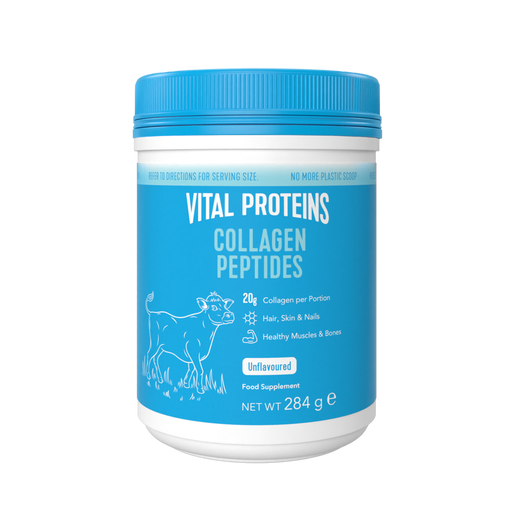
Why This Fits Their Persona: A straightforward option for adults who want to start with an unflavoured powder that fits coffee, juice or warm drinks without adding a noticeable flavour.
The label states 10g of collagen per serving, making dose comparison clearer than judging by tub size alone. It also lists no added sugar, gluten or dairy.
Unflavoured; 10g collagen per serving; suitable for hot or cold drinks.
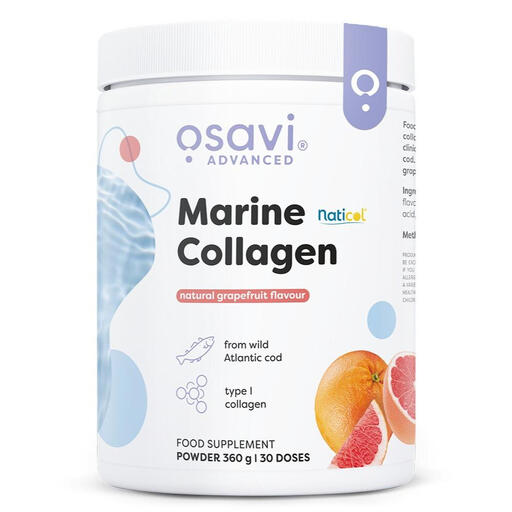
Why This Fits Their Persona: A marine collagen choice for shoppers who value a flavoured drink, a measured scoop and dietary information including gluten-free, lactose-free, soy-free, kosher and halal listings.
The serving instruction is clearly stated as 12g, and the ingredients identify fish collagen, vitamin C and stevia rather than leaving the flavour system unexplained.
Wild cod source; vitamin C included; 360g pack with measuring scoop.
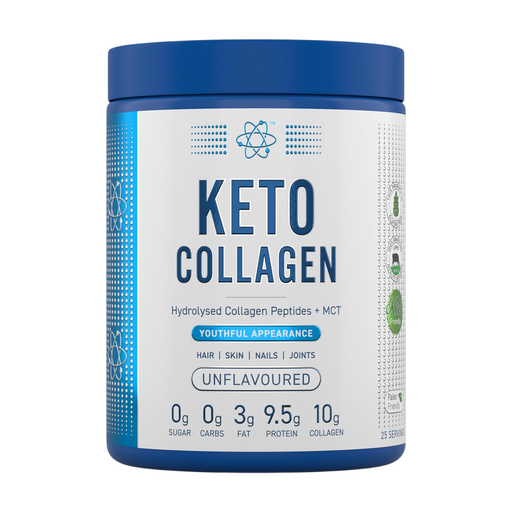
Why This Fits Their Persona: Designed for adults following keto, paleo or low-carbohydrate routines who want collagen powder combined with coconut-derived MCT powder.
The nutrition panel separates collagen peptides from MCT powder and lists zero carbohydrate and zero sugar per stated portion, which helps with macro tracking.
10g hydrolysed bovine collagen per portion; unflavoured; includes coconut-derived MCT powder.
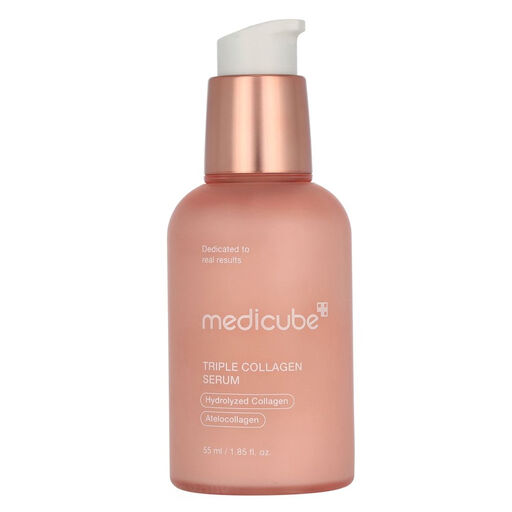
Why This Fits Their Persona: A topical option for shoppers concentrating on facial hydration and the feel of supple, moisturised skin rather than an ingestible supplement.
It is clearly labelled for external facial and neck use. The formula lists several collagen forms alongside hyaluronic acid and niacinamide, allowing ingredient-led comparison.
55ml size; lightweight serum texture; includes hyaluronic acid complexes.
We have compiled a complete, real-time list of products that fully satisfy these strict selection criteria and UK safety regulations.
Follow the serving instructions on the packaging. Many unflavoured powders dissolve into warm coffee, water, smoothies or yoghurt. Start with the stated serving rather than adding extra scoops, and keep the container dry and tightly sealed.
Gummies are easier for some people to take consistently, but their collagen quantity may be lower and they can contain sugars or glucose syrup. Compare the collagen amount per daily serving, not just the number of gummies in the tub.
Divide the net weight by the stated serving size. For example, a 300g powder used at 10g per day provides approximately 30 servings. Your actual usage may differ if the label permits one or two servings daily. Always check the current product directions and do not exceed the recommended dose.
Important: Food supplements should complement a varied, balanced diet and healthy lifestyle. Check the latest packaging for ingredients, allergens, dosage and warnings. If you are pregnant, breastfeeding, taking medication or managing a health condition, seek appropriate professional advice before use.