
24/7 Customer Support

Free returns

Same-day & Next-day Delivery

Quality Guaranteed

Unlock Your Welcome Offers: FREE Delivery | Up to 80% OFF | Free 30-day JoyPlus trial
Download the APP
Buying collectable toys and action figures can be surprisingly difficult. A product may look impressive in its packaging but offer limited play value, fragile accessories or an unsuitable age rating. For parents, grandparents and adult fans, the key is separating useful features from decorative marketing language.
Whether you are comparing children’s dolls, character dolls, action figures for kids, blind box collectables or collectable plush toys, check three areas before paying: safety, play function and long-term suitability.
A large figure can make a strong impression on a shelf, but size does not automatically mean more features. Check the actual points of articulation, accessory count and whether interactive functions require batteries. A figure with several moving joints may support posing and imaginative play more effectively than a larger static model.
Blind capsules and mystery plushies are designed around surprise. However, the buyer normally cannot choose the character inside, and duplicate purchases are possible. If a child wants one particular character, a named doll or figure is less risky than a random assortment. Blind box collectables are more suitable when the recipient enjoys collecting, swapping or discovering different designs.
Licensing indicates that a product is associated with a named entertainment property, but it does not tell you everything about size, materials, articulation or age suitability. Read the product specification, warning information and battery details rather than relying only on familiar names such as Disney toys, Star Wars toys or Marvel action figures.
The age label is a practical safety guide, not merely a marketing category. Many licensed character toys include miniature accessories, removable clothing or small figures. For example, products intended for children aged 3 or 4 and over may still require adult supervision, particularly during unboxing.
Look for the CE or UKCA marking where applicable, together with manufacturer or importer information. In Great Britain, relevant toy safety requirements apply to products placed on the market; Northern Ireland may follow different marking arrangements. Always follow the warning printed on the individual product.
For poseable figures, check the number and location of movable joints. Arms, legs, necks and elbows affect whether a character can sit, stand or hold accessories. A 15 cm figure may suit smaller play areas, while an 11-inch figure can create a stronger display presence but needs more storage space.
Scale also matters when building a collection. Toy Story figures, Marvel action figures and Star Wars characters may look mismatched if their sizes differ substantially. If interaction between figures is important, check whether products are designed for the same range.
Interactive toys can be engaging, but check whether batteries are included. Some products use AAA batteries, while others use button cells. Battery compartments should remain inaccessible to young children, and used batteries should be disposed of promptly. Keep spare and used batteries away from children because swallowed batteries can cause serious internal injuries.
For dolls and plushies, inspect care instructions. Surface-washable items should not normally be machine washed or tumble dried unless the manufacturer specifically permits it. This is particularly relevant for anime plush toys and soft character gifts that may be handled frequently.
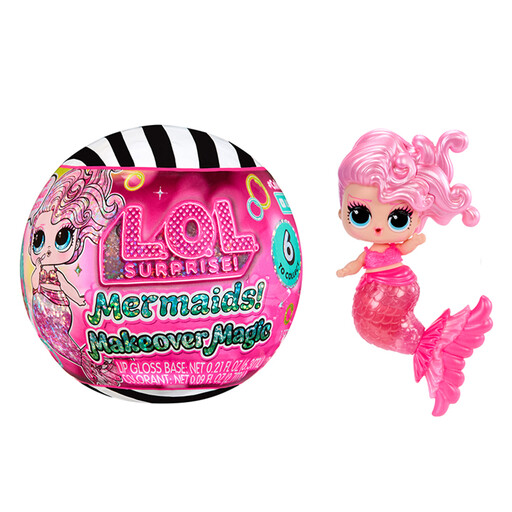
Why This Fits Their Persona: Its compact format suits first-time collectors, pocket money gifts and children who enjoy opening surprises rather than choosing one specific character.
The listing clearly identifies the item as a random assortment, helping buyers set expectations before ordering.
No batteries are required; the small mermaid-themed figures are suitable for collecting, display and portable play for children aged 4 and over.
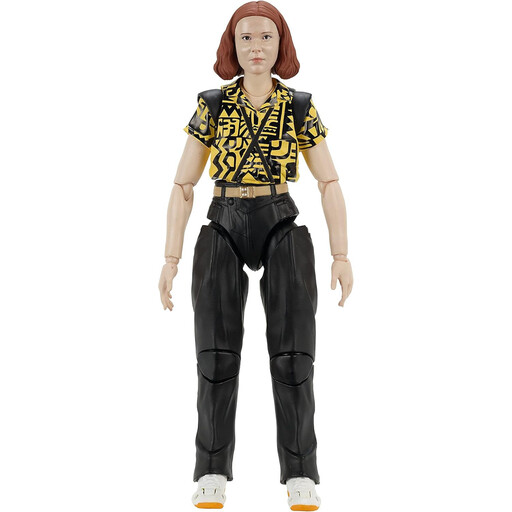
Why This Fits Their Persona: Adult fans and display-focused collectors may value its character-specific sculpting, display-ready packaging and extensive articulation.
The specification states that it is intended for children over 15, reducing the risk of buying a collector-oriented item for a younger child.
It has over 20 points of articulation and comes in a 6-inch format designed for shelf or desk display.
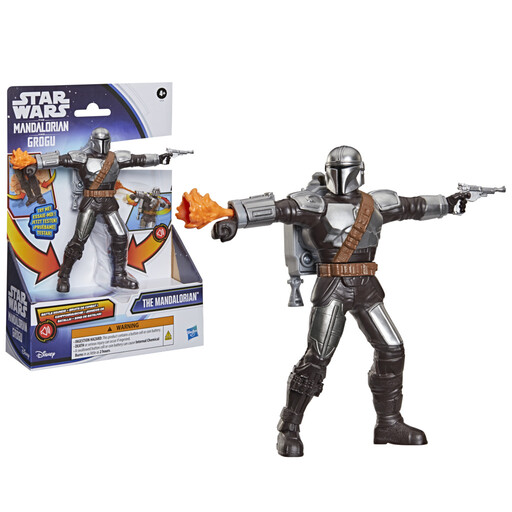
Why This Fits Their Persona: Children aged 4 and over who repeatedly recreate action scenes may appreciate a compact figure with movement, sound and recognisable accessories.
The action mechanism is explained clearly: squeezing the legs raises the arms and activates battle sound effects.
The 15 cm figure has multiple articulation points, moulded accessories and included button-cell batteries.
We have compiled a complete, real-time list of products that fully satisfy these strict selection criteria and UK safety regulations.
For younger children, prioritise easy-to-hold designs, clear age guidance and fewer detachable parts. Birthday gifts for children such as Disney Princess multipacks, Minnie Mouse dress-up dolls or soft character toys can support open-ended storytelling without requiring a complex collection.
Fashion-focused recipients may prefer Barbie dolls, character dolls with changeable outfits or poseable figures that support styling and display. Fans of online games may respond well to licensed character toys that include a digital code, but check the stated age and whether the code requires a compatible account.
Older fans may prefer detailed anime plush toys, display figures or themed blind capsules. For these buyers, packaging condition, articulation and shelf footprint can matter as much as play features.
Some are, but suitability depends on the individual product. Check the stated age range and small-part warning. A toy marked 3+ may still need supervision, especially if it includes accessories, removable clothing or batteries.
Only interactive models generally do. Basic dolls and poseable figures usually do not, while talking, light-up or sound-effect toys may use AAA or button-cell batteries. Check whether batteries are included before gifting.
They can be suitable for collectors who enjoy surprise, trading and completing a series. They are less predictable for a child who wants a particular character, because each capsule contains a randomly selected design and duplicates may occur.