
24/7 Customer Support

Free returns

Same-day & Next-day Delivery

Quality Guaranteed

Unlock Your Welcome Offers: FREE Delivery | Up to 80% OFF | Free 30-day JoyPlus trial
Download the APP
Colour-treated hair often needs more than a standard rinse-out conditioner. Bleaching, highlights, permanent dye and frequent heat styling can leave lengths feeling dry, while washing, sunlight and hard water may gradually affect colour appearance. The right colour-protecting conditioner should therefore match both your colour and your hair texture.
However, attractive packaging and broad claims can make comparison difficult. Use the guide below to identify the features that matter before buying.
A conventional conditioner for colour-treated hair may help smooth and moisturise without depositing pigment. If you want to reduce yellow or brassy tones, look specifically for a purple conditioner for blonde hair or another anti-brass formula containing violet pigment.
Conversely, a toning conditioner is not automatically suitable for every wash. Purple products are designed for blonde, bleached, highlighted, silver or grey hair and may be unnecessary for brunette hair. Always check whether the formula is colour depositing or simply designed to maintain vibrancy.
Hair thickness and porosity affect how a conditioner feels. A rich product can be useful for thick, dry or bleached lengths, but may flatten fine hair. A lightweight conditioner for fine hair may leave very thick or curly hair needing additional moisture.
Look for the stated hair-type suitability, then apply conditioner mainly from the mid-lengths to the ends rather than directly to the scalp.
Silicones can help provide slip, shine and detangling, while silicone-free conditioner may suit shoppers who prefer a different formula profile. Neither option is automatically right for every hair type. Similarly, a vegan conditioner describes ingredient sourcing and does not, by itself, indicate how rich, light or toning the product will feel.
Read the ingredient list and product directions instead of relying on one front-of-pack claim.
First decide what you want the conditioner to do:
The word “protect” is not a guarantee that colour will remain unchanged. Washing frequency, water temperature, UV exposure, heat styling and the original dye also influence colour fade.
Match the texture of the conditioner to your hair:
Check whether the formula contains features that align with your preferences, such as silicone-free, vegan, plant-derived ingredients or conditioning oils. For example, some listed products contain silicones for smoothing, while others are explicitly silicone-free.
Also compare the size. A 75ml or 50ml bottle may be convenient for a weekend away or for trying a formula, whereas 400ml to 946ml formats may suit regular household use. A larger bottle is only economical if the formula suits your hair and you use it consistently.
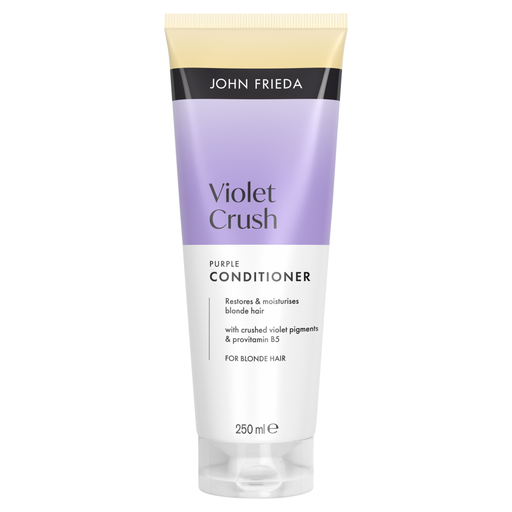
Why This Fits Their Persona: The 250ml format offers a practical way to introduce toning care without committing to a larger bottle, making it suitable for occasional use between salon appointments.
It is clearly presented as a purple conditioner with crushed violet pigments, so shoppers are less likely to mistake a standard moisturising conditioner for a toning product.
Vegan and silicone-free formula; includes Pro-Vitamin B5 and violet pigment for blonde, silver or grey hair.
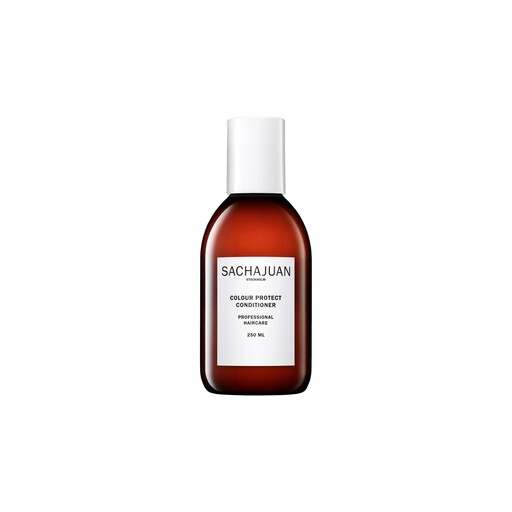
Why This Fits Their Persona: A 250ml colour-care format suits shoppers who want a more structured routine for dyed hair and prefer a compact bottle for a bathroom shelf or travel bag.
The product is positioned for colour-treated hair, helping distinguish colour maintenance from a generic conditioner that only adds softness.
Uses algae-derived proteins and minerals in its Ocean Silk Technology; designed to support moisture, shine and colour-treated hair care.
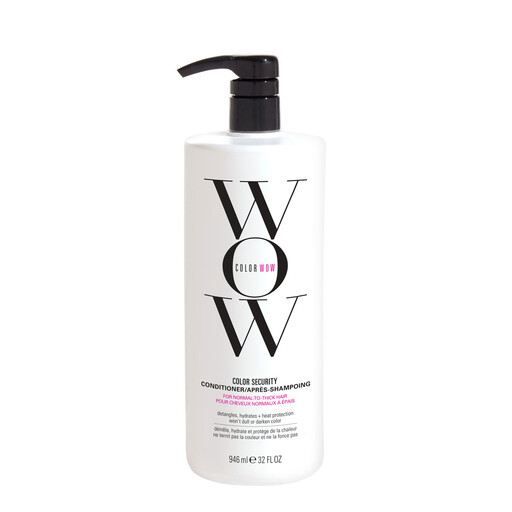
Why This Fits Their Persona: The large 946ml size is suited to regular use on normal to thick colour-treated hair, particularly where smaller bottles need frequent replacement.
The hair-type guidance is specific, reducing the risk of selecting a lightweight fine-hair formula for thicker or drier lengths.
Rich conditioning format with avocado oil, glycerin and panthenol; intended to help smooth, detangle and manage frizz.
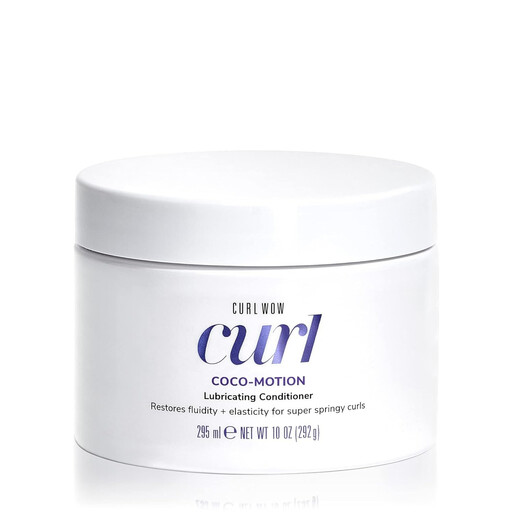
Why This Fits Their Persona: It is designed for curly and coily hair, making it relevant to shoppers who prioritise hydration, detangling and curl manageability over a general colour-care formula.
The product description identifies curl and coil suitability, helping avoid choosing a flat, lightweight conditioner when textured hair needs more lubrication.
Contains coconut oil, glycerin and panthenol; suitable for colour-treated hair according to the supplied product information.
Apply rinse-out conditioner after shampooing, concentrating on the mid-lengths and ends. Leave it on for the time stated on the bottle and rinse thoroughly. For purple conditioner, begin with the recommended frequency rather than using it every wash automatically, especially if your hair is porous or very light.
A leave-in conditioner can be useful after washing or between washes for frizz control and quick hydration. For travel, the 50ml Color Wow Money Mist format is easier to pack, while the 150ml version may suit more regular use:
Always check the latest packaging for ingredients, directions and warnings. Stop using a product if irritation occurs and avoid contact with the eyes.
We have compiled a complete, real-time list of products that fully satisfy these strict selection criteria and UK safety regulations.
It can be, provided the formula matches your hair’s condition and texture. Bleached hair often benefits from a hydrating conditioner, while blonde or grey hair may also need occasional violet toning. A separate leave-in product can provide additional detangling and frizz control.
Follow the product directions and adjust according to the appearance and feel of your hair. Purple conditioner is generally used when warm tones become noticeable, rather than as an automatic replacement for a standard conditioner at every wash.
A larger bottle may offer more product per purchase, but value depends on how much you need per wash and whether the formula suits your hair. Compare the volume, intended hair type and recommended use before choosing a 500ml or 946ml bottle over a smaller format.