
24/7 Customer Support

Free returns

Same-day & Next-day Delivery

Quality Guaranteed

Unlock Your Welcome Offers: FREE Delivery | Up to 80% OFF | Free 30-day JoyPlus trial
Download the APP
Dyed, highlighted, bleached, blonde, brunette, grey and silver hair can lose its freshly coloured appearance through frequent washing, heat styling, sunlight and mineral-heavy water. Choosing a suitable colour protecting shampoo can help hair look vibrant for longer, but the label does not always tell the full story.
A product marketed as a colour protect shampoo may focus mainly on cleansing, while another may deposit violet pigments to manage brassiness. These serve different purposes. Before buying, UK shoppers should check the formula, intended hair colour and directions for use rather than relying on broad claims about “salon” or “long-lasting” results.
A standard shampoo for colour-treated hair is designed to cleanse while helping reduce dullness and fade. A purple, violet or silver shampoo has a different role: its pigments are intended to visually counter unwanted yellow or warm tones.
For example, a purple formula may suit blonde, highlighted, grey or silver hair, but it is not automatically the right choice for copper, red or deep brunette shades. Using a toning shampoo too frequently may also leave light hair looking overly cool or slightly violet.
A sulphate-free colour-safe shampoo can be useful if you prefer a gentler cleansing system or find traditional foaming shampoos drying. However, “sulphate-free” alone does not guarantee that a product will suit your scalp, hair texture or colour.
Check the full ingredient list and look for practical features such as conditioning agents, glycerin, panthenol or proteins. Fragrance and essential oils may also matter if your scalp is sensitive. A formula with sodium laureth sulfate is not automatically unsuitable, but it may feel different from a sulphate-free cleanser.
Toning products need to be used according to their instructions. Some are rinsed out promptly, while others are left on for one to several minutes. Leaving pigment on for longer than directed does not necessarily improve the result.
Purple and silver products can temporarily stain hands, towels, shower trays or light-coloured surfaces. Gloves, immediate rinsing and a quick wipe-down can prevent avoidable mess.
If your hair feels dry, porous or fragile after colouring, compare the surfactants and conditioning ingredients. Products with several mild cleansing agents may create a softer wash experience, while richer formulas can leave more slip and shine.
Those who wash frequently may prefer a gentle colour protect shampoo for regular use, then reserve a toning or clarifying product for occasional use. Always follow the product directions and discontinue use if irritation occurs.
Read the directions carefully. L’Oréal Elvive Colour Protect Anti-Brassiness Purple Shampoo, for example, specifies different suggested contact times for grey and highlighted brunette hair.
UV filters may help protect the hair surface from environmental exposure, particularly during summer holidays or regular outdoor activity. They should not be treated as a replacement for a complete hair-care routine.
For commuting, gym visits or travel, a 75ml or 90ml bottle may be more practical than a full-size option. For regular household use, 250ml to 500ml bottles may reduce the frequency of repurchasing. Pairing shampoo with a conditioner from the same range can also make the routine easier to follow, although it is not essential.
The following products match different shopping needs. Product suitability depends on your hair colour, scalp preferences and how frequently you wash.
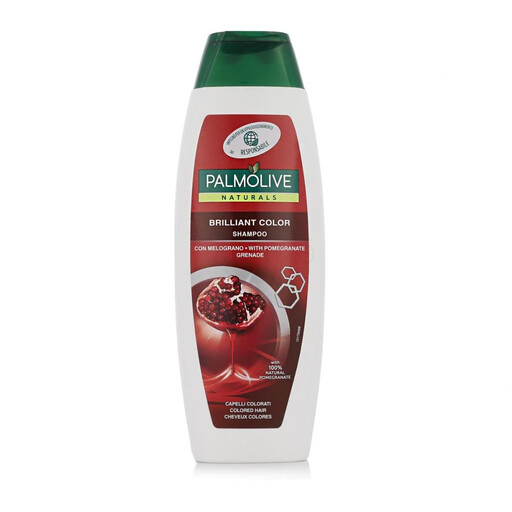
Why This Fits Their Persona: A 350ml everyday option for shoppers who want straightforward colour care without choosing a specialist toner. Its listed UV filter makes it relevant for regular daytime exposure in the UK.
It is positioned as a colour-care shampoo rather than a dramatic colour-restoration treatment, making its everyday purpose clearer.
350ml format; listed UV filter; pomegranate, pearl and almond-derived ingredients.
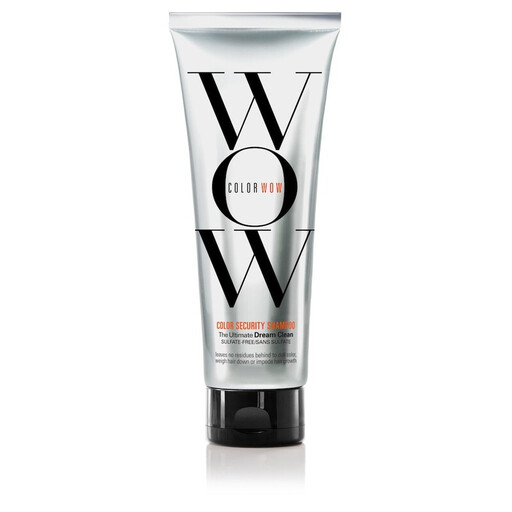
Why This Fits Their Persona: Suitable for shoppers prioritising a sulphate-free cleanser for colour-treated, chemically treated or sensitive hair, with a 250ml size for regular home use.
The product information clearly identifies the sulphate-free formula, avoiding the need to infer this from vague “gentle” wording.
Sulphate-free cleansing system; glycerin, panthenol and hydrolysed keratin listed; suitable for all hair types.
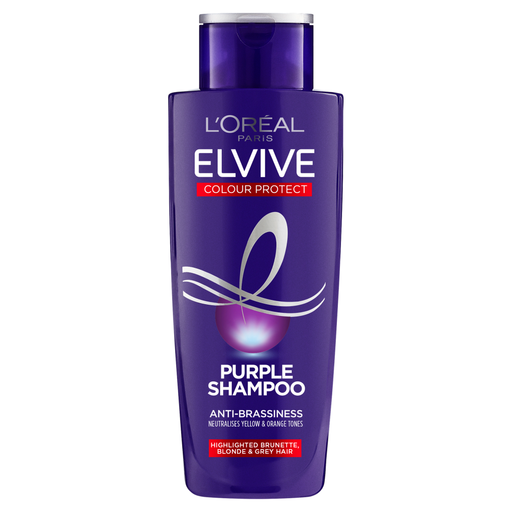
Why This Fits Their Persona: A weekly-use option for blonde, highlighted, grey or silver hair when yellow or brassy tones are the main concern rather than general cleansing.
Its directions specify weekly use and a timed application, helping prevent the common mistake of treating purple shampoo like an unrestricted daily cleanser.
Violet pigment; 200ml bottle; directions cover different contact times for grey and highlighted brunette hair.
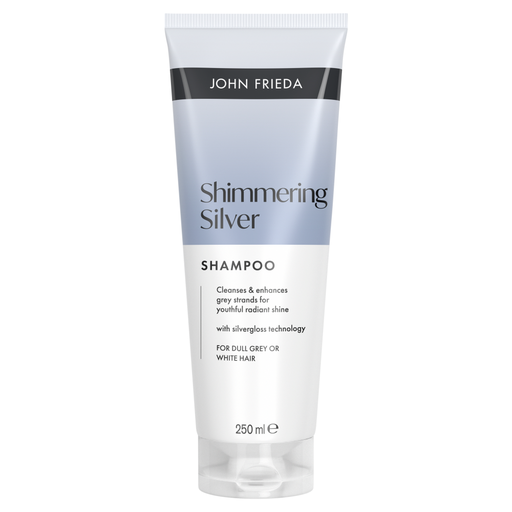
Why This Fits Their Persona: Designed for natural or colour-treated grey, white and silver-toned hair, making it suitable for shoppers who want to refresh cool-looking tones at home.
It is specifically labelled for grey, white and silver tones rather than presenting a general blonde formula as suitable for every light shade.
SilverGloss Technology is listed; suitable for natural and colour-treated hair; 250ml size.
For a portable option, Color Wow Color Security Shampoo 75ml and L’Oréal Elvive Colour Protect Travel Size Shampoo 90ml are convenient for holidays, gym bags or trying a formula before purchasing a larger bottle. Those with brunette hair may prefer a dedicated brunette formula, such as John Frieda Brilliant Brunette Colour Vibrancy Shampoo, rather than a violet toner intended for lighter shades.
No shampoo can guarantee that colour will never fade. Washing frequency, water temperature, heat styling, sunlight, chemical treatments and the original dye all influence how colour changes. A suitable formula can support a consistent routine, but conditioner, heat protection and sensible washing habits also matter.
Follow the product’s directions. Some purple shampoos are designed for regular use, while others are intended weekly. Start with the shorter recommended contact time and assess the result before increasing frequency. Stop if your hair looks overly violet or feels uncomfortable.
It can be worthwhile if you prefer a sulphate-free formula, wash frequently or find stronger cleansers leave your hair feeling dry. However, price alone does not establish suitability. Compare the ingredients, bottle size, intended hair colour and usage instructions to judge the overall value for your routine.