
24/7 Customer Support

Free returns

Same-day & Next-day Delivery

Quality Guaranteed

Unlock Your Welcome Offers: FREE Delivery | Up to 80% OFF | Free 30-day JoyPlus trial
Download the APP
Colour-treated hair often needs more than an attractive bottle and a promise of “long-lasting vibrancy”. The right colour-protecting shampoo should match your shade, washing routine, scalp needs and hair texture. A product designed to tone blonde hair may not be suitable for maintaining a copper, brunette or vivid fashion colour.
As the Joybuy Product Recommendation Officer, I focus on practical details that help shoppers separate useful features from vague marketing claims. Here are the main pitfalls to avoid and the specifications worth checking before you buy.
“Colour-safe” does not automatically mean sulphate-free shampoo. Some formulas marketed for coloured hair still contain cleansing agents such as sodium laureth sulphate or sodium lauryl sulphate. These ingredients are not automatically unsuitable, but they may feel too cleansing for hair that is dry, porous or frequently washed.
If you prefer a milder cleanser, check the full ingredient list rather than relying only on the front label. For example, Color Wow Color Security Shampoo is listed as sulphate-free and uses cleansing agents including sodium methyl 2-sulfolaurate, cocamidopropyl hydroxysultaine and sodium cocoyl isethionate.
A purple shampoo, also called blonde shampoo or silver shampoo, is designed for unwanted yellow or warm tones in blonde, grey, white or silver hair. It is not a universal replacement for shampoo for dyed hair.
Using a violet-pigmented formula on hair that does not need toning may leave the colour looking uneven or cooler than intended. If your main concern is fading rather than brassiness, a regular colour-safe shampoo may be more appropriate. Brunettes may prefer a brunette shampoo that supports depth and shine without depositing violet pigment.
Phrases such as “up to” describe a maximum under specified conditions, not a guaranteed result for every user. Lightening shampoos, for instance, may be intended for use with a matching conditioner or spray. Read the directions carefully and consider whether you want to preserve colour or gradually brighten it.
Also check the bottle size. A 75ml travel bottle may be convenient for holidays or the gym, while a 500ml bottle may offer better value for regular household use. Value depends on price, frequency of washing and the amount used per application.
Look for the cleansing agents that suit your hair and washing frequency. A mild, sulphate-free formula can be useful for dry, curly or porous hair, particularly where preserving moisture is a priority. However, people who use styling products, oils or dry shampoo may need a formula that removes build-up effectively.
Color Wow Curl Hooked Clean Shampoo is formulated for curly, coily and textured hair and is free from harsh sulphates, parabens, mineral oils and synthetic dyes. Its ingredient list includes glycerin, aloe extract and hydrolysed wheat protein. It may suit shoppers looking for a gentler cleanser for textured hair, but follow with conditioner to support slip and manageability.
For neutralising brassiness, check whether the shampoo contains violet pigments. Purple counteracts yellow visually, while the result depends on your starting shade, porosity and how long the product remains on the hair.
L’Oréal Elvive Colour Protect Anti-Brassiness Purple Shampoo is positioned for blonde, highlighted, grey and silver hair, with directions stating weekly use and a leave-on time of one to three minutes. The product information also gives separate guidance for grey and highlighted brunette hair. A shampoo for highlighted hair should be used according to the instructions, rather than left on for longer in the hope of achieving a stronger result.
Colour-treated hair can feel drier after chemical processing, so look for conditioning ingredients such as glycerin, panthenol, oils, proteins or conditioning polymers. These ingredients do not replace a dedicated conditioner or treatment, but they can influence how hair feels after cleansing.
Also consider your texture. Fine hair may become weighed down by richer formulas, whereas curly, coily or bleached hair may need more moisture. Fragrance and preservatives are worth checking if your scalp is prone to irritation. Stop using a product if irritation or rash occurs, and avoid contact with the eyes.
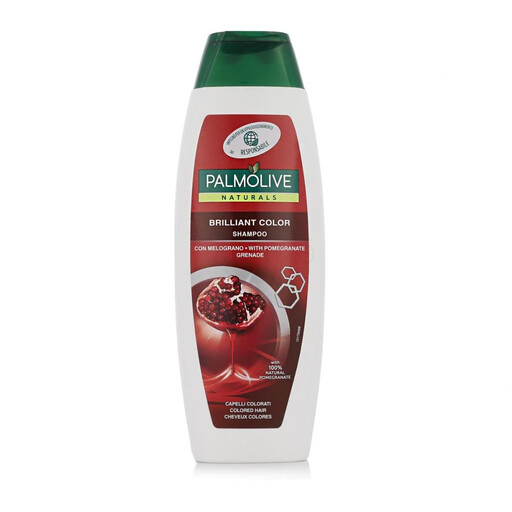
Why This Fits Their Persona: A practical starting point for UK shoppers seeking a standard shampoo for coloured hair in a medium 350ml size.
Its product information clearly identifies a UV filter and coloured-hair positioning, rather than presenting it as a purple toning shampoo.
Contains pomegranate, pearl and almond extracts; includes ethylhexyl methoxycinnamate as a UV-filter ingredient.
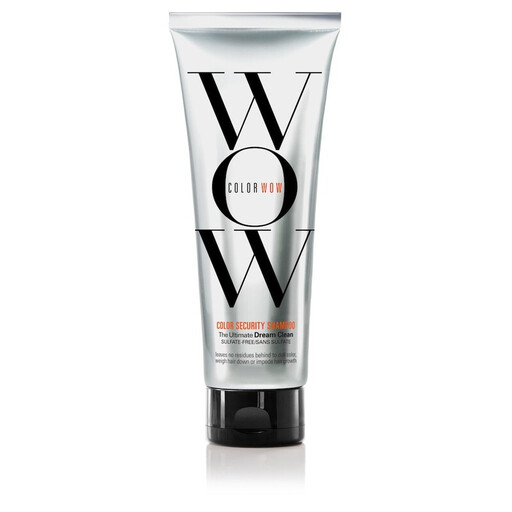
Why This Fits Their Persona: Suitable for shoppers prioritising a sulphate-free, residue-conscious formula for colour-treated or chemically treated hair.
The product details specify sulphate-free cleansing, helping buyers avoid assuming that every colour-protecting formula has the same cleanser.
Sodium PCA, glycerin, hydrolysed wheat protein and hydrolysed keratin appear in the listed ingredients; available in a 250ml size.
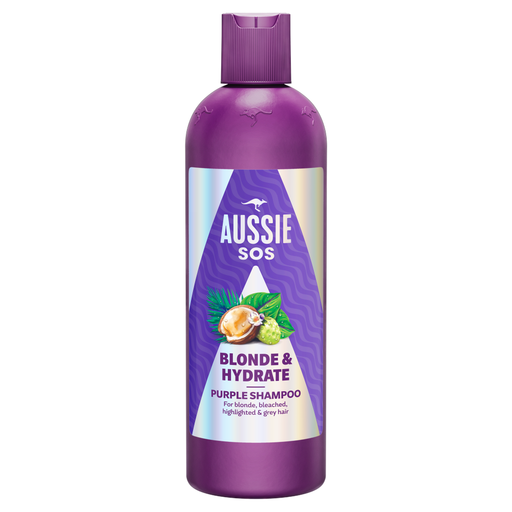
Why This Fits Their Persona: Designed for shoppers managing bleached, highlighted, blonde or grey hair who specifically want help with warm-looking tones.
It states a specific three-to-five-minute toning direction, making the intended use clearer than a generic “instant results” claim.
Contains CI 60730 violet pigment; listed as vegan and supplied in a 300ml bottle.
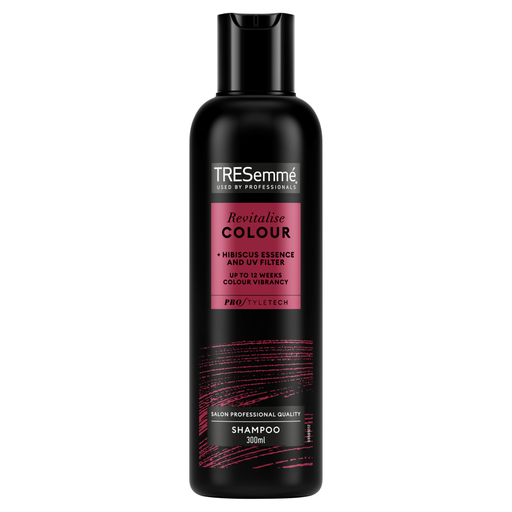
Why This Fits Their Persona: A suitable option for regular washers who want a dedicated shampoo for dyed hair with conditioning support.
The product information identifies a UV filter and gives a specific up-to timeframe, so shoppers can assess the claim in context rather than treating it as permanent protection.
Includes amino acids, ceramide NG, glycerin and hibiscus extract; the formula is listed as PETA-approved and not tested on animals.
We have compiled a complete, real-time list of products that fully satisfy these strict selection criteria and UK safety regulations.
Most colour-safe formulas are intended for colour-treated hair, but toning shampoos are shade-specific. Purple shampoo is generally aimed at yellow or brassy tones in blonde, silver, grey and highlighted hair. For red, copper, vivid or brunette colours, choose a general colour-protecting formula unless the product specifically states otherwise.
Follow the product directions and adjust according to the tone you want to maintain. Some products are intended for weekly use, while others provide different daily-use guidance. Alternating an anti-brassiness shampoo with a non-pigmented colour-safe shampoo can make it easier to control toning and reduce the risk of uneven results.
No shampoo can guarantee that dye will never fade. Washing frequency, water temperature, heat styling, sunlight, hair porosity and the type of colour all influence longevity. A suitable colour-safe shampoo can help you choose a cleansing routine that is more compatible with maintaining dyed, highlighted or vibrant hair, but conditioner and heat protection remain important parts of the routine.