
24/7 Customer Support

Free returns

Same-day & Next-day Delivery

Quality Guaranteed

Unlock Your Welcome Offers: FREE Delivery | Up to 80% OFF | Free 30-day JoyPlus trial
Download the APP
Freshly coloured hair can lose its brightness sooner than expected, particularly with frequent washing, hard water, heat styling and sun exposure. Choosing a colour-protecting shampoo is not simply a matter of picking the most attractive bottle. The formula needs to match your colour, scalp, washing routine and hair condition.
The following guide highlights common buying traps, explains the specifications worth checking and matches several options to different UK shopping needs.
A colour-safe shampoo does not automatically mean it is free from sulphates. Cleansing agents such as sodium laureth sulfate can create a rich lather and remove oil and styling residue, but some people with dry, porous or recently bleached hair may prefer a gentler, sulphate-free formula.
Always read the ingredient list rather than relying on front-label wording. For example, Dove Ultra Care Shampoo Colour Care and several John Frieda formulas list sodium laureth sulfate, while Color Wow Color Security Shampoo is described as sulphate-free.
A standard shampoo for colour-treated hair is designed for regular cleansing while helping hair look shiny and vibrant. A purple shampoo is different: violet pigments are intended to visually neutralise unwanted yellow tones in blonde, grey or highlighted hair.
Using a toning shampoo too frequently may not suit every head of hair. It can leave an unwanted cast or make the hair feel drier, depending on the formula and how porous the strands are. Choose colour correction only when brassiness is a genuine concern.
Statements such as “up to 10 weeks” or “up to 12 weeks” depend on factors including washing frequency, water temperature, colour type and salon maintenance. Treat these figures as product-positioning information, not a guaranteed result.
A practical hair colour protection routine also includes cooler rinses, heat protection, regular conditioning and limiting unnecessary washing.
Look for a cleansing system that fits your hair condition:
A shampoo should clean the scalp without leaving the lengths rough or squeaky. If your hair feels tight after washing, consider alternating with a gentler formula.
For blonde or grey hair, check whether the product contains violet pigments such as Acid Violet 43 or other purple colourants. A shampoo for blonde hair may brighten or gradually lighten blonde tones without being a toning shampoo, so read the intended use carefully.
Those with brunette hair may prefer a brunette shampoo that enhances shine and dimension without depositing colour. Red, copper and fashion shades may benefit more from a gentle anti-fade shampoo than from a neutralising formula.
Bottle size affects value and convenience:
Specialist purple shampoos are often used less frequently than everyday colour-safe shampoo, so a smaller bottle may be sufficient even when the price per millilitre is higher.
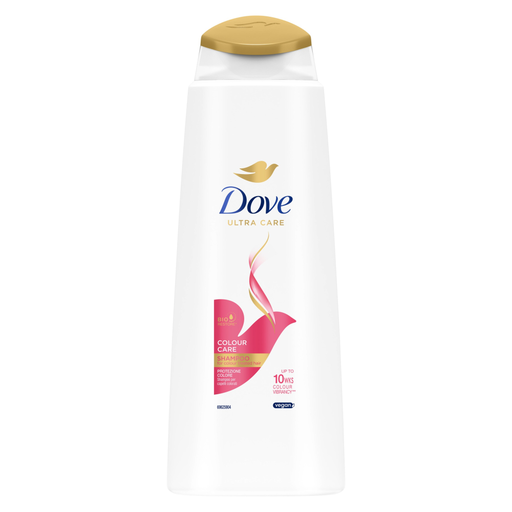
Why This Fits Their Persona: A practical everyday option for shoppers seeking a larger bottle for regular washing after colouring.
The 400ml format makes the routine easier to maintain, while the ingredient list lets buyers see that this is not a sulphate-free shampoo.
400ml size; described as suitable for everyday use; PETA-approved vegan according to the product information.
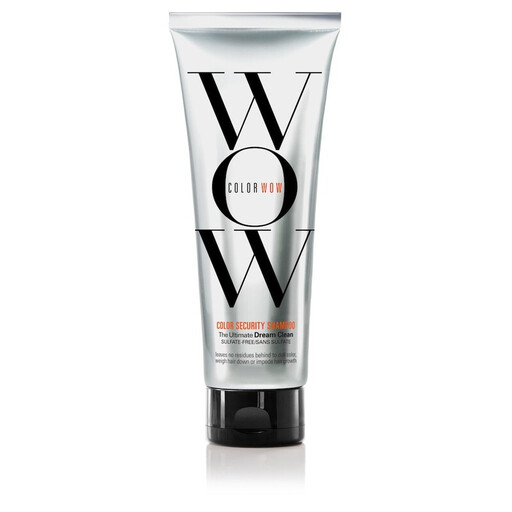
Why This Fits Their Persona: Suitable for shoppers prioritising a sulphate-free formula and a residue-free feel for colour-treated or chemically treated hair.
Its sulphate-free positioning is supported by a cleansing system based on several alternative surfactants, which buyers can verify on the listed ingredients.
Sulphate-free description; 250ml size; includes glycerin, panthenol, hydrolysed keratin and citric acid.
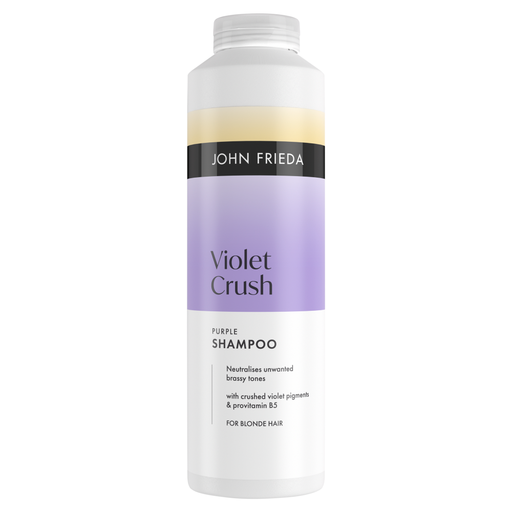
Why This Fits Their Persona: Designed for blonde or grey-haired shoppers who regularly manage visible yellow or brassy tones.
It clearly identifies itself as a purple shampoo and provides a one-minute leave-on instruction, reducing guesswork around toning use.
500ml format; contains violet pigments; product directions advise alternating with regular shampoo for maintenance.
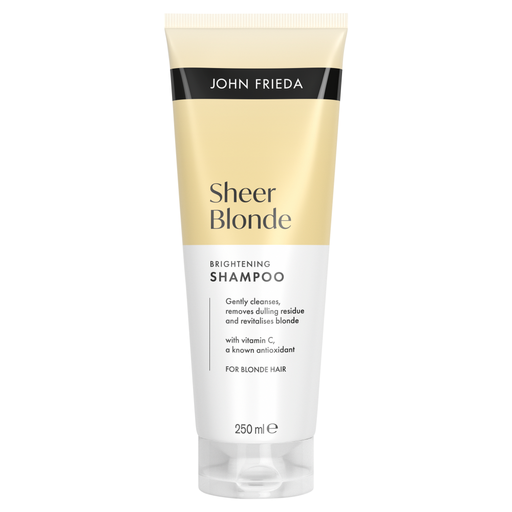
Why This Fits Their Persona: A suitable consideration for natural or colour-treated blondes seeking gradual brightening rather than a purple toning routine.
The product is positioned as a brightening shampoo, not a purple shampoo, so shoppers can distinguish gradual lightening from tone neutralisation.
250ml size; vegan and silicone-free according to the product information; includes panthenol and citrus-derived ingredients.
We have compiled a complete, real-time list of products that fully satisfy these strict selection criteria and UK safety regulations.
Yes, but the formula should match the colour and condition of your hair. A general anti-fade shampoo suits many dyed shades, while purple shampoo is intended for blonde, grey or highlighted hair with unwanted yellow tones. Brunettes may prefer a non-colour-depositing brunette formula focused on shine and softness.
Follow the individual product instructions and begin cautiously. Some formulas advise use until the desired tone is reached, followed by alternating use with regular shampoo. Porous or bleached hair may absorb pigments more readily, so a shorter contact time can be sensible.
Not necessarily. Compare the price per 100ml and consider how often the product is used. A 500ml everyday shampoo may be economical for frequent washing, whereas a 250ml or 300ml specialist product can be sufficient when used once a week. Always check the current packaging, ingredients and usage directions before purchase.