
24/7 Customer Support

Free returns

Same-day & Next-day Delivery

Quality Guaranteed

Unlock Your Welcome Offers: FREE Delivery | Up to 80% OFF | Free 30-day JoyPlus trial
Download the APP
Freshly coloured hair can lose its brightness sooner than expected, particularly with frequent washing, heat styling, hard water and summer sun exposure. Choosing a suitable colour protecting shampoo can help maintain a polished appearance between salon visits, but the right formula depends on your colour, washing routine and desired result.
The label alone does not tell the whole story. Some products focus on gentle cleansing, while others are designed to neutralise brassiness, gradually lighten blonde hair or enhance brunette tones. Here is how to compare them without paying for features you do not need.
A sulphate-free colour-protecting shampoo may be preferable if you want a milder-feeling cleanse or find stronger detergents drying. However, “colour protection” does not automatically mean sulphate-free. Several colour-care shampoos use ingredients such as sodium laureth sulfate or sodium lauryl sulfate.
This is not necessarily a flaw. These surfactants can produce an effective lather and remove oil and styling residue, but they may not suit every hair type or washing routine. Check the ingredient list rather than relying only on front-of-pack wording.
A purple shampoo for blonde hair, silver shampoo or anti-brassiness shampoo has a specific purpose: coloured pigments help visually counter unwanted yellow or warm tones. It is not the same as a daily cleansing shampoo for preserving dye.
Using a pigment shampoo too often may leave hair looking dull, uneven or temporarily tinted. Some formulas also warn that pigments can stain fabrics, shower surfaces or pale towels. Toning products are generally more useful as part of a routine rather than as the only shampoo.
Brightening or lightening products are designed to gradually alter the appearance of blonde hair. They may suit someone seeking a sun-kissed effect, but they are not the obvious choice for maintaining a newly applied darker blonde, copper or brunette shade.
Read whether the product is intended to enhance, neutralise, lighten or simply cleanse. These are different functions, and choosing the wrong one can mean spending money on a result you did not want.
Start with the result you want:
If you specifically want a sulphate-free colour-protecting shampoo, inspect the ingredients for the surfactants used. Color Wow Color Security Shampoo, for example, lists cleansing agents including sodium methyl 2-sulfolaurate, cocamidopropyl hydroxysultaine and sodium cocoyl isethionate rather than the more familiar sulphates.
Other formulas include conditioning ingredients such as glycerin, panthenol, oils, proteins or polymers. These can influence how soft, smooth or manageable hair feels after washing, although the result varies according to hair condition and styling routine.
Fragrance and preservatives also matter if you are sensitive to particular ingredients. Always compare the current packaging, as formulations can change.
A 75ml bottle can be practical for gym bags, weekends away or testing a routine before committing to a larger size. A 250ml bottle is a common middle-ground option, while 300ml, 350ml and 500ml formats may suit regular users or households sharing products.
For pigment shampoos, value is not simply about bottle size. If you use the product once weekly, a smaller bottle may last longer than expected. For a daily shampoo, compare the net content and the amount needed per wash.
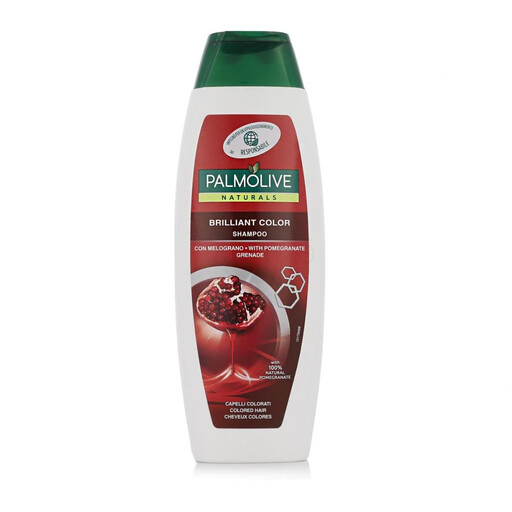
Why This Fits Their Persona: A 350ml format offers a practical starting point for shoppers seeking everyday cleansing for coloured hair without moving straight to a specialist toning formula.
Its product description identifies it as a colour-care shampoo with a UV filter, rather than presenting it as a purple or lightening treatment.
Contains pomegranate, pearl and almond extracts, and lists ethylhexyl methoxycinnamate as a UV-filter ingredient.
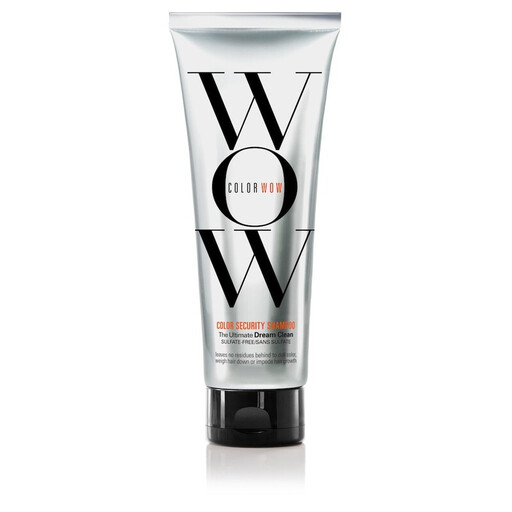
Why This Fits Their Persona: Suitable for shoppers who prioritise a sulphate-free formula and want one cleanser for colour-treated, chemically treated or extension-wearing hair.
The ingredient list and description clearly identify a sulphate-free, residue-free cleansing approach, avoiding vague colour-care wording.
The 250ml formula includes glycerin, sodium PCA, hydrolysed wheat starch, hydrolysed wheat protein and hydrolysed keratin.
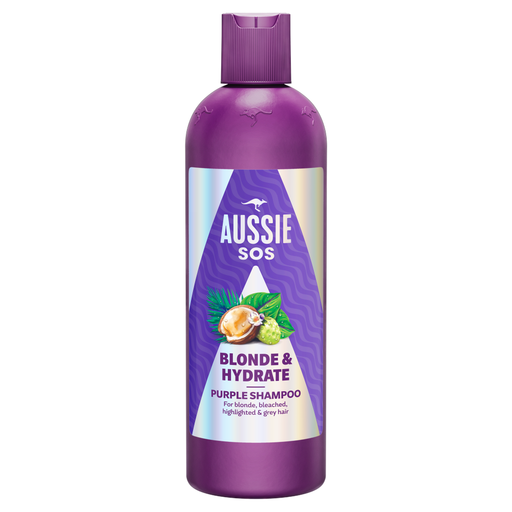
Why This Fits Their Persona: Designed for people managing bleached, highlighted, blonde, platinum or grey hair who specifically want help with warm-looking tones.
The instructions specify leaving it on for 3 to 5 minutes, making the toning function and usage limit clear.
A 300ml size contains violet pigment and is described for blonde, highlighted and grey hair; rinse the shower area after use to reduce staining risk.
We have compiled a complete, real-time list of products that fully satisfy these strict selection criteria and UK safety regulations.
Some formulas are described as suitable for regular or daily use, while pigment shampoos and lightening shampoos may be better alternated with a standard cleanser. Check the directions and adjust according to how your scalp and lengths feel.
Start with once weekly or follow the product instructions. Leave-on time affects the toning result, so using a product for longer does not necessarily provide a better outcome. Alternate it with a non-pigmented shampoo when your tone looks balanced.
No shampoo can guarantee that colour will never fade. Washing frequency, water temperature, heat, sunlight, styling products and the type of dye all influence longevity. A suitable hair colour protection shampoo can form part of a routine intended to help maintain a consistent, healthy-looking appearance.