
24/7 Customer Support

Free returns

Same-day & Next-day Delivery

Quality Guaranteed

Unlock Your Welcome Offers: FREE Delivery | Up to 80% OFF | Free 30-day JoyPlus trial
Download the APP
Dyed, highlighted, bleached, blonde, brunette, grey and silver hair can all benefit from a more considered washing routine. However, choosing a colour protection shampoo is not simply a matter of selecting a bottle labelled “colour care”. Different formulas target different concerns, and the wrong choice may leave your hair looking dull, overly cool, dry or unchanged.
This guide explains the main buying pitfalls, which specifications to check and which products may suit different UK hair-care routines.
A standard shampoo for colour-treated hair is designed for regular cleansing while helping hair look vibrant and shiny. A purple shampoo, silver shampoo or anti-brassiness shampoo has a different purpose: violet pigments are used to visually counter yellow or warm-looking tones.
Using a toning shampoo when your main concern is colour fade may not address the problem. Conversely, a regular colour protect shampoo may not provide the visible tone adjustment desired by someone with blonde highlights or silver hair.
Some product descriptions refer to colour lasting for a stated number of washes or weeks. These figures depend on factors such as washing frequency, water temperature, heat styling, sun exposure, porosity and the original dye formula. Treat these figures as product information rather than a guarantee for every hair type.
A product can be described as gentle while still containing cleansing agents such as sodium laureth sulfate. If you specifically want a sulphate-free colour-safe shampoo, check the full ingredient list rather than relying on front-of-pack wording.
For example, Dove Ultra Care Shampoo Colour Care lists sodium laureth sulfate among its ingredients, while Color Wow Color Security Shampoo is listed as sulphate-free. Neither is automatically right or wrong; the distinction simply helps you match the formula to your preference.
Use your primary concern as the starting point:
A toning shampoo should usually complement, rather than completely replace, your everyday colour protection shampoo.
Purple shampoos vary in strength and recommended contact time. Some are intended for weekly use, while others can be alternated with a regular shampoo. Leaving a pigmented formula on too long may produce a cooler or temporarily uneven appearance, particularly on porous or lightened sections.
Follow the label instructions carefully. Products containing violet pigments may also stain hands, towels, clothing or shower surfaces, so rinsing promptly and protecting fabrics is sensible.
Ingredient lists can help you identify whether a product fits your routine. Buyers may wish to check for:
Always review the packaging for the latest ingredients, usage instructions, warnings and storage information before use.
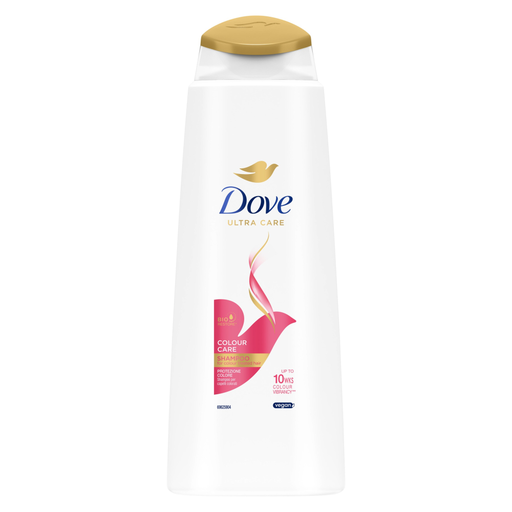
Why This Fits Their Persona: A practical everyday option for households wanting a larger 400ml bottle and a straightforward colour-care routine after dyeing at home.
The product is positioned for regular colour-treated hair care rather than promising tone correction. Its ingredient list is available for checking before purchase.
400ml size; includes glycerin, dimethiconol and a Bio-Restore Complex. The listing identifies it as PETA-approved vegan.
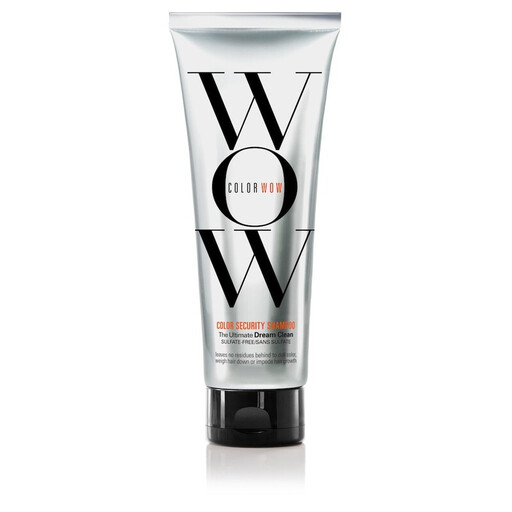
Why This Fits Their Persona: Suitable for shoppers prioritising a sulphate-free formula and a residue-conscious wash, including those with colour-treated, chemically treated hair or extensions.
Its sulphate-free positioning is supported by a cleanser list based on sulfolaurate, hydroxysultaine and other surfactants rather than conventional sulphates.
Sulphate-free; designed to remove oil, impurities and product build-up without leaving a residue.
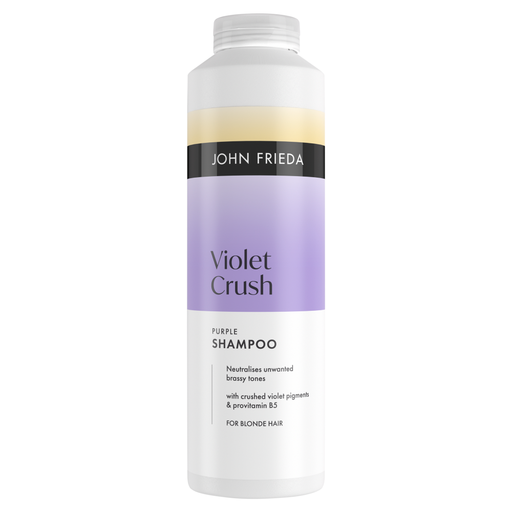
Why This Fits Their Persona: A 500ml option for people who regularly maintain blonde hair and want a violet-pigment shampoo available for repeated toning.
The instructions specify a one-minute contact time and recommend alternating it with regular shampoo, helping avoid treating a toning formula as the only cleanser.
500ml size; contains crushed violet pigments and Pro-Vitamin B5. The listing identifies it as vegan and silicone-free.
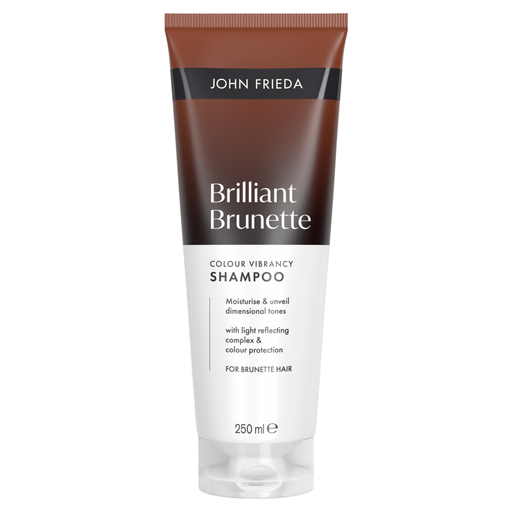
Why This Fits Their Persona: Designed for natural or colour-treated brunettes who want to focus on richness, softness and visible shine rather than violet toning.
It is a non-colour-depositing brunette formula, so shoppers are not buying a purple shampoo for a concern they do not have.
Includes sweet almond oil and a Light Reflecting Complex; available in a convenient 250ml format.
We have compiled a complete, real-time list of products that fully satisfy these strict selection criteria and UK safety regulations.
Most general colour-care formulas are intended for dyed or colour-treated hair, but toning shampoos are more specific. Purple shampoo is generally associated with blonde, highlighted, silver or grey hair, while brunette shampoo is formulated around brown tones and shine. Check the product description and ingredient list before buying.
Follow the individual label. Some products suggest weekly or occasional use, while others can be used daily until the desired tone is reached and then alternated with a regular shampoo. Leaving pigmented shampoo on for longer does not necessarily produce a better result.
It may help support the appearance of colour by cleansing and conditioning without unnecessarily compromising shine, but fading is influenced by washing, sunlight, heat, water and the type of colour used. No shampoo can guarantee that dyed colour will remain unchanged indefinitely.