
24/7 Customer Support

Free returns

Same-day & Next-day Delivery

Quality Guaranteed

Unlock Your Welcome Offers: FREE Delivery | Up to 80% OFF | Free 30-day JoyPlus trial
Download the APP
Colour-treated hair often needs more than a standard rinse-out conditioner. Bleaching, permanent dye, highlights and frequent heat styling can leave lengths feeling dry, rough or difficult to detangle. However, a higher price or a prominent “colour care” label does not automatically make a product suitable for your routine.
This guide explains what to check before buying a colour-treated hair conditioner, including formulas for blonde, brunette, silver, grey, curly, fine and thick hair.
Some conditioners are designed to support softness and help hair look glossy, while others contain pigments that visibly tone the hair. A purple conditioner for blonde hair may help reduce the appearance of yellow or brassy tones, but it is not interchangeable with an everyday hydrating conditioner.
Similarly, a non-colour-depositing conditioner for brunette hair is intended to condition and enhance shine without changing the existing shade. Check whether the product contains pigments and whether it is intended for regular or occasional use.
A rich formula may be comfortable for thick, coarse or highly porous hair but can make fine hair feel flat. Conversely, a lightweight conditioner may not provide enough slip for dense curls or bleached lengths.
Look for clear hair-type guidance such as fine to normal, normal to thick or curly and coily. This is more useful than relying on vague claims such as “intensive” or “salon-like”.
A 500ml bottle can offer practical value for frequent washing, but it is less convenient for gym bags, holidays or trying a new formula. A 50ml or 75ml size can reduce the risk of buying a full-size product that does not suit your hair.
Also compare whether the product is a rinse-out conditioner or a leave-in conditioner spray. A leave-in formula is useful for quick detangling and dry-hair refreshment, but it does not replace every wash-off conditioner.
For blonde, bleached, highlighted, silver or grey hair, decide whether you need hydration only or additional tone management.
Pigmented products can be more targeted, so follow the stated application time and rinse thoroughly. They should not be treated as a substitute for professional colour correction.
Fine hair generally benefits from a lightweight formula applied from the mid-lengths to the ends. Avoid applying a rich conditioner directly to the scalp unless the packaging specifically recommends it.
For thick hair, look for richer conditioning agents, oils or ingredients designed to improve detangling. Curly hair often needs more slip and moisture to reduce friction during combing. A conditioner for curly hair should be worked through carefully, rather than quickly smoothed over the surface.
Useful features may include panthenol, glycerine, conditioning agents, oils or proteins. These do not guarantee a particular result, but they can indicate the formula’s intended role.
Check for:
Always review the ingredient list printed on the packaging, as formulations can change. Stop using a product if irritation or redness develops.
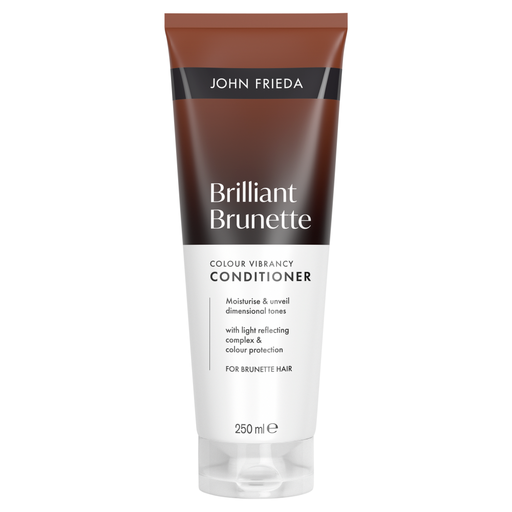
Why This Fits Their Persona: A straightforward option for brunette shoppers who want a manageable 250ml size for regular washing and routine colour maintenance.
It is described as non-colour depositing, so it does not rely on hidden pigment to alter brunette shades.
Moisturising formula; intended for natural and colour-treated brunette hair; also available in a 500ml size.
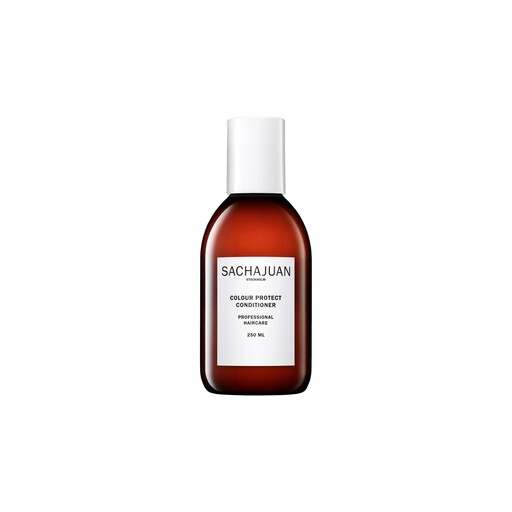
Why This Fits Their Persona: Suits shoppers prioritising a dedicated colour-care formula in a mid-sized bottle for use between salon appointments.
Its stated focus is colour protection and moisture, rather than promising an instant shade change.
Includes algae-derived ingredients described as Ocean Silk Technology; designed for colour-treated hair.
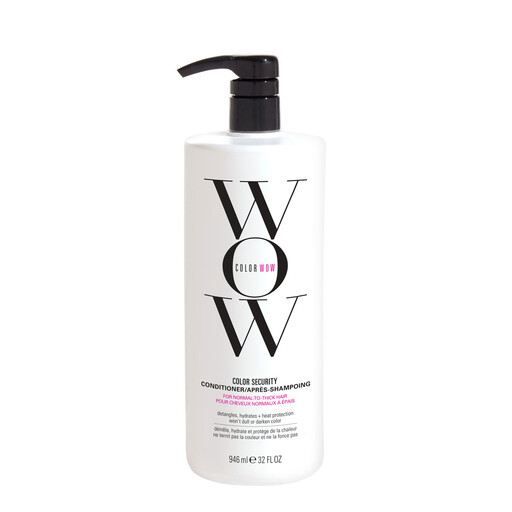
Why This Fits Their Persona: The 946ml size is practical for households or shoppers with normal-to-thick hair who condition frequently.
The hair-type specification is clear, helping thick-haired users avoid an overly light formula with insufficient slip.
Rich conditioning format; includes avocado oil, panthenol and hydrolysed keratin in the listed ingredients.
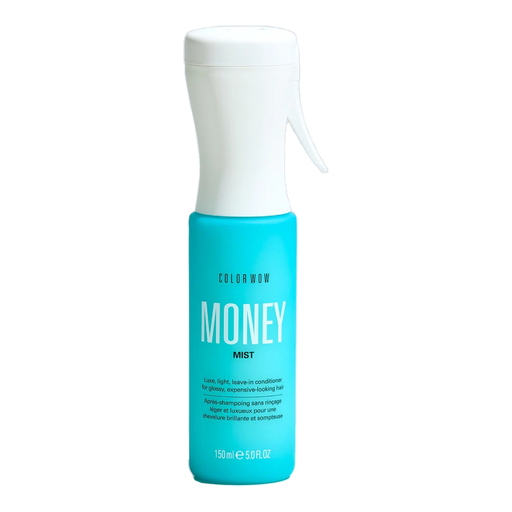
Why This Fits Their Persona: A convenient choice for commuters, travellers or anyone needing quick detangling and frizz control on damp or dry hair.
It is clearly identified as a leave-in spray, so there is less risk of confusing it with a rinse-out conditioner.
150ml spray format; suitable for colour-treated, bleached and chemically processed hair; can be reapplied to refresh lengths.
We have compiled a complete, real-time list of products that fully satisfy these strict selection criteria and UK safety regulations.
Use a rinse-out conditioner after washing if your lengths feel dry or difficult to comb. Pigmented products, such as purple or silver formulas, may be better used according to their instructions rather than automatically at every wash.
Purple conditioner is formulated for blonde, highlighted, bleached or grey hair that needs help managing the appearance of warm tones. It may not be necessary for every blonde shade, and excessive use can make the routine more complicated. Follow the product directions and alternate with a non-pigmented hydrating hair conditioner when appropriate.
A lightweight leave-in conditioner spray can suit fine hair because it is applied in a small amount to the mid-lengths and ends. Start with fewer sprays, comb through and add more only if needed. For thick or curly hair, a richer rinse-out conditioner may provide more useful detangling and moisture.