
24/7 Customer Support

Free returns

Same-day & Next-day Delivery

Quality Guaranteed

Unlock Your Welcome Offers: FREE Delivery | Up to 80% OFF | Free 30-day JoyPlus trial
Download the APP
Choosing coloured fine tip pens can look simple until the ink skips, the nib bends or the colour bleeds through your notebook. UK shoppers also face another problem: product descriptions often use broad terms such as “fine”, “vibrant” or “long-lasting” without explaining the measurements and materials behind them.
Whether you are a student organising revision notes, a teacher marking work, an office professional colour-coding documents or an artist creating detailed illustrations, the right stationery pen set depends on how and where you plan to use it. This guide explains the practical specifications to check before buying, followed by suitable options for different budgets and routines.
A fine point can refer to several different line widths. Fineliner pens commonly sit around 0.4mm, while coloured gel pens may use a 0.5mm or 0.7mm ball tip. Felt tip pens can create broader, softer marks even when the packaging describes them as fine.
A 0.4mm metal-encased tip is useful for rulers, stencils and small handwriting. A 0.5mm gel tip tends to provide a smoother, slightly fuller line for note-taking. For bold headings or expressive lettering, a medium felt tip may be more suitable than a narrow drawing pen.
A 72-pack may be sensible for a classroom, office or shared craft area, but it may be unnecessary for someone who only needs four colours. Check the actual colour range rather than relying on the pack size. Some large packs repeat a limited selection of shades, while a smaller stationery pen set may provide more useful colour variety.
Also consider storage. A tin, wallet or box can help keep assorted colour pens together, whereas loose pens are easier to misplace.
Water-based ink, gel ink, permanent ink and acrylic paint ink behave differently. A water-based fineliner may be suitable for ordinary notebooks but less suitable for very absorbent paper. Permanent markers can mark surfaces beyond paper and may stain skin, clothing or furniture.
No pen remains usable indefinitely if its cap is left off. Check whether the product has a retractable mechanism or a cap, and follow the storage guidance. Many products recommend replacing the cap promptly and storing pens horizontally in a cool, dry place.
For detailed writing, technical diagrams and drawing pens, compare the stated line width:
A metal-framed or metal-encased tip can provide additional support when used against a ruler. Fibre and felt tips may feel softer but can require lighter pressure to protect the nib.
Water-based ink is common in fineliner pens and may be suitable for general paper use. Gel ink often offers a smooth writing feel, but drying time varies by formulation, paper and writing speed. Quick-drying descriptions can be useful for left-handed writers, although no ink should be assumed to be completely smear-proof across every paper type.
For craft surfaces, acrylic paint pens are a separate category. They are designed for materials such as wood, glass, ceramics, plastic, fabric or canvas, depending on the product instructions. They should not be selected simply because they have a fine nib.
For long revision sessions or office use, look for a grip that feels secure without requiring excessive pressure. Triangular or textured barrels can help with control, while retractable pens reduce the risk of losing a separate cap.
Heavy users should also compare refill availability, replacement nibs and pack quantity. For children, check the age warnings and keep small components away from young children. Ink products should be used according to the manufacturer’s instructions, particularly around eyes, skin, heat and ventilation.
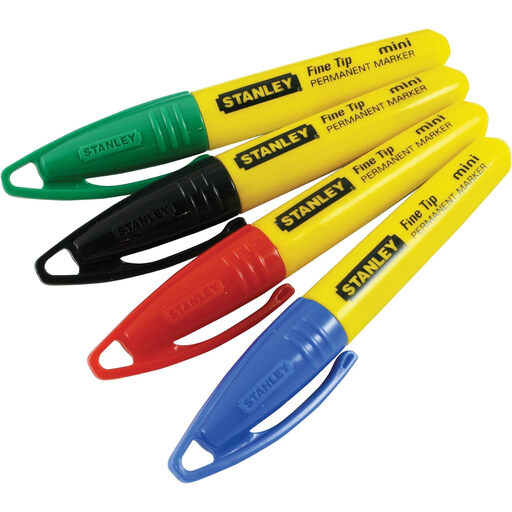
Why This Fits Their Persona: A straightforward starting set for students, home users and office workers who need black, red, green and blue for everyday notes and marking.
The four-colour format avoids paying for a large assortment when your work only needs core colours. Its stated fine tip is intended for accurate writing and drawing.
Four useful ink colours, smooth stated ink flow and a lightweight design for regular writing.
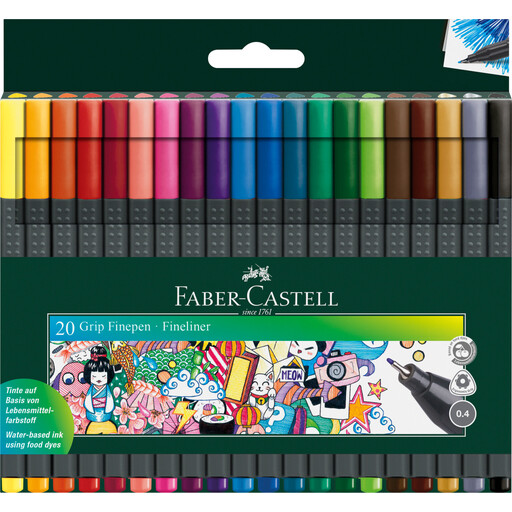
Why This Fits Their Persona: Suitable for planners, artists, students and professionals who value a narrow line, barrel control and a broader colour selection.
The stated 0.4mm line width makes the writing width clear, while the long metal-framed tip is specified for rulers and templates.
20 assorted colours, triangular barrel with grip zone and plastic parts stated as containing at least 56% recycled plastic.
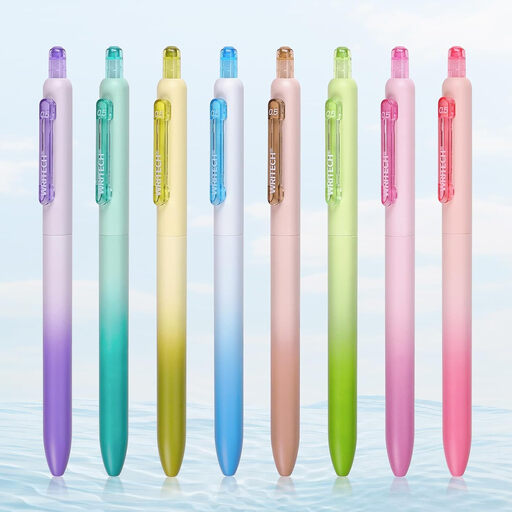
Why This Fits Their Persona: Designed around colour-coded journaling, planners and quiet environments such as libraries, classrooms and offices.
The 0.5mm tip is clearly specified, and the retractable silent-click format removes the need to manage loose caps during study or work.
Eight assorted colours, twin-ball fine tip and ergonomic ombre matte barrel; the listing also describes quick-drying ink.
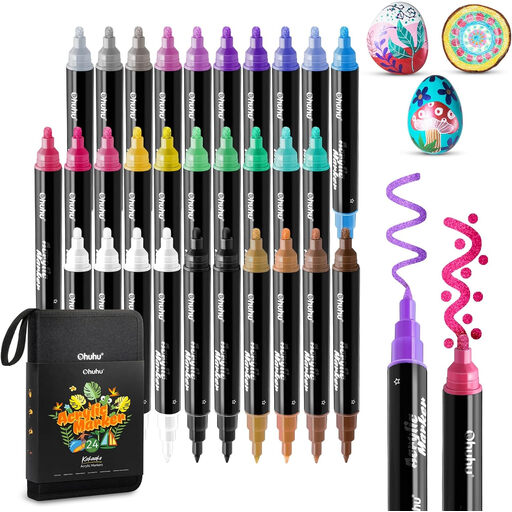
Why This Fits Their Persona: A targeted choice for artists and crafters working across surfaces such as wood, glass, ceramics, plastic, fabric, paper and canvas.
It is presented as an acrylic paint marker rather than a general writing pen, making its intended surfaces and use case clearer.
30 markers with fine and medium round tips, plus replacement nibs and a portable cloth case.
We have compiled a complete, real-time list of products that fully satisfy these strict selection criteria and UK safety regulations.
Neither size is universally suitable for every writer. 0.4mm fineliner pens are useful for compact handwriting, underlining and detailed diagrams. 0.5mm gel pens generally create a slightly fuller line and may feel smoother for everyday notes and journaling. Paper absorbency and writing pressure also affect the final result.
It depends on the ink formulation and paper weight. Water-based fineliners may perform well on ordinary paper, while gel and paint inks can behave differently. Look for stated bleed-resistance information, then test the pen on a spare page before using it in a planner, revision notebook or journal.
Lifespan depends on usage, pressure, ink capacity, storage and whether the cap is replaced promptly. A classroom or office pack used daily will be consumed faster than a set used occasionally for planning. Retractable pens can reduce cap loss, while products with replacement nibs or refills may offer a practical option for regular users.