
24/7 Customer Support

Free returns

Same-day & Next-day Delivery

Quality Guaranteed

Unlock Your Welcome Offers: FREE Delivery | Up to 80% OFF | Free 30-day JoyPlus trial
Download the APP
Choosing coloured pencils can seem straightforward until a child struggles with a slippery barrel, a pupil breaks several leads in one afternoon or an adult discovers that a large colour range does not work with water. The right set depends on grip, lead construction, colour coverage and the intended surface.
Before buying, watch for three common pitfalls:
For young children and early learners, the barrel can affect comfort and control. Triangular coloured pencils help provide defined sides for finger placement, while thicker barrels can be easier for smaller hands to hold.
Ergonomic coloured pencils may include moulded or textured grip zones. Check whether the grip runs along the shaft and whether the design suits a left- or right-handed user. A name panel can also be useful for school pencil cases, where supplies are easily mixed up.
Jumbo coloured pencils are particularly suitable for broad colouring and less precise work. However, their chunky shape may not suit detailed illustration or pupils who need a standard pencil for writing and fine outlines.
A thicker lead generally deposits colour more quickly over larger areas, although it may be less suited to tiny details. For example, the STABILO Trio Thick-Triangular pencils use a 4.2mm lead, while the STABILO aquarelle range uses a 2.8mm lead.
When comparing break-resistant coloured pencils, look for clear information about the core and casing. A bonded lead, such as the secural bonding process specified for the Faber-Castell Jumbo Grip, is a more useful detail than an unsupported durability slogan. Sharpen with a suitable sharpener and avoid pressing excessively, particularly with water-soluble or wax-based cores.
Standard pencils are designed for dry colouring, layering and shading. Watercolour pencils, also called aquarelle colouring pencils, contain water-soluble pigments. You can apply them dry, then soften or spread the colour with a damp brush.
A multi-purpose pencil may combine coloured pencil, watercolour and wax-crayon characteristics. This can be practical for craft activities, dark paper or larger surfaces, but it may not provide the precision expected by someone buying artist coloured pencils for detailed work.
For children, consider the activity as well as the colour effect. Water and pigment require supervision, suitable paper and a washable work area. Always follow the age guidance and warnings on the packaging.
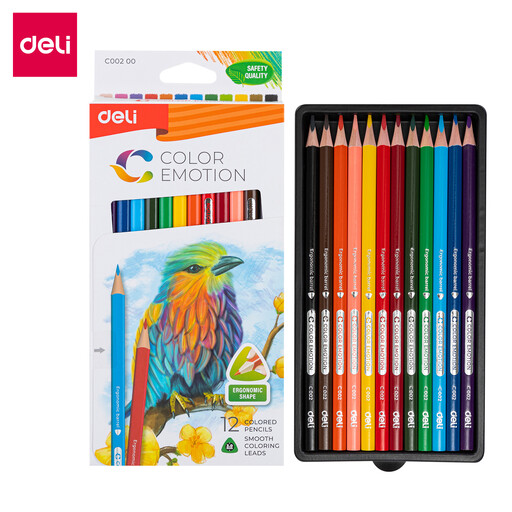
Why This Fits Their Persona: A 12-count set is a practical starting point for home colouring, homework and occasional creative activities without committing to a large collection.
The smaller pack makes it easier to check whether the user likes the pencil feel before buying a larger colouring pencil set.
12 assorted wooden coloured pencils in a compact format for everyday drawing supplies.
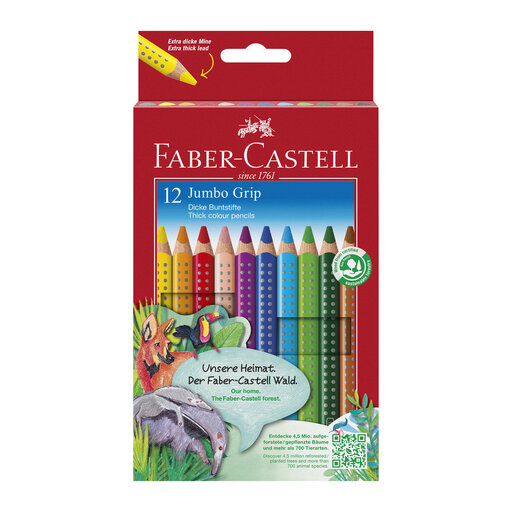
Why This Fits Their Persona: Suitable for families, classrooms and young artists who prioritise grip comfort, a chunky barrel and a pencil designed for regular use.
Its stated secural bonding process addresses lead breakage more directly than a generic “strong” description.
Triangular jumbo barrel, non-slip grip, water-soluble pigments and extra-thick lead.
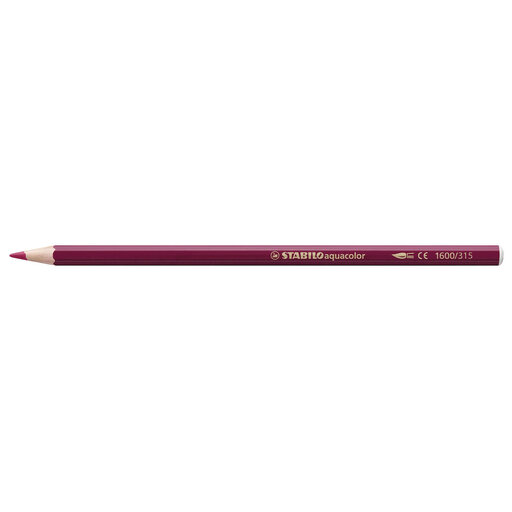
Why This Fits Their Persona: The 36-colour selection suits hobby artists, older pupils and adults who want dry colouring alongside blended and shaded watercolour effects.
The product specifies water-soluble use on dry or damp paper and allows colour to be lifted from the lead with a brush.
36 assorted colours and a stated 2.8mm lead for dry application and aquarelle techniques.
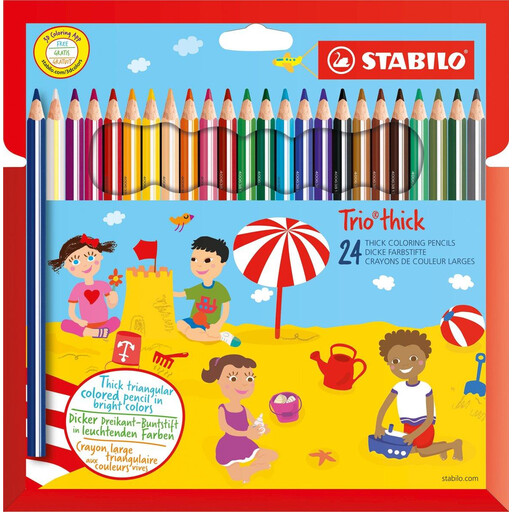
Why This Fits Their Persona: Designed for young children using pencils at home, nursery or primary school, with a thick triangular form that is easier to position in small hands.
The barrel shape and stated 4.2mm lead give buyers measurable details instead of relying only on age-focused marketing.
24 assorted colours, wooden casing, triangular design and thick 4.2mm lead.
We have compiled a complete, real-time list of products that fully satisfy these strict selection criteria and UK safety regulations.
They can be, provided the set’s age guidance is followed and children are supervised where required. Children’s coloured pencils with triangular or jumbo barrels may be easier to grip, but no pencil should be chewed or used near the eyes.
Lifespan depends on lead thickness, sharpening frequency, pressure and how often the pencils are used. A thicker core may cover larger areas before it becomes short, while careful sharpening and a suitable sharpener can help reduce breakage and waste.
They work on ordinary paper when used lightly and dry, but watercolour paper or heavier mixed-media paper is more suitable for wet techniques. It helps limit buckling and gives colour more room to spread when activated with a brush.