
24/7 Customer Support

Free returns

Same-day & Next-day Delivery

Quality Guaranteed

Unlock Your Welcome Offers: FREE Delivery | Up to 80% OFF | Free 30-day JoyPlus trial
Download the APP
Choosing coloured pencils can look simple until you compare core thickness, colour range, grip design and water-soluble effects. A low-priced set may suit occasional colouring, while a specialist pencil can be more appropriate for detailed drawing or mixed-media work.
As the Joybuy Product Recommendation Officer, I focus on practical differences rather than attractive packaging or vague marketing promises. This guide explains the main buying pitfalls, the specifications worth checking and which coloured pencil sets suit different users in the UK.
A 72-colour set offers plenty of shades for layering and blending, but a large palette may not be necessary for schoolwork or simple colouring books. Conversely, a 12-colour set can feel restrictive if you regularly create portraits, landscapes or detailed illustrations.
Check whether the set includes useful variations such as warm and cool shades, skin tones, greys and darker colours. A smaller set with practical colours may be more useful than a larger set with several similar hues.
Watercolour pencils contain water-soluble pigment, allowing a damp brush to soften or spread the marks. Standard coloured pencils are generally designed for dry use. Pastel pencils may be partially water-soluble, but their dry, dusty texture behaves differently from watercolour media.
Always check the product description before buying. Watercolour pencils require suitable paper if you plan to add significant moisture, while pastel pencils may need a surface that can hold loose pigment.
A triangular or chunky barrel can be easier for children to control, but grip preferences vary. Ergonomic coloured pencils may include moulded grip zones, non-slip surfaces or designs intended for left- or right-handed users. These features can be helpful during longer sessions, but they do not replace correct pencil positioning and supervision for young children.
A thicker core generally provides a broader colour laydown and can be more suitable for young children or filling large areas. Fine artist coloured pencils are useful for details, hatching and controlled shading.
Look for wording such as break-resistant lead, reinforced bonding or a stated lead diameter. These features can reduce breakage during sharpening, although excessive pressure and unsuitable sharpeners can still damage a pencil.
For coloured pencils for drawing, check whether the product is described as blendable, smooth or suitable for layering. These characteristics affect how easily you can build darker tones and create transitions between colours.
A softer core usually lays down colour with less pressure, while a firmer core can offer more precise lines. Neither is automatically suitable for every task. Adult colouring enthusiasts may prefer smooth coverage, whereas students and illustrators may need a balance of detail and layering.
A pencil tin keeps individual pencils together and can be convenient for home, school or travel. Cardboard wallets are lighter and often suitable for children’s pencil cases. Also check whether the wood comes from a certified or reforested source if sustainable coloured pencils are important to you.
For younger users, review the recommended age and choking warnings. Pencil shavings should not be ingested, and pastel products should be used in a well-ventilated area to avoid deliberately inhaling dust.
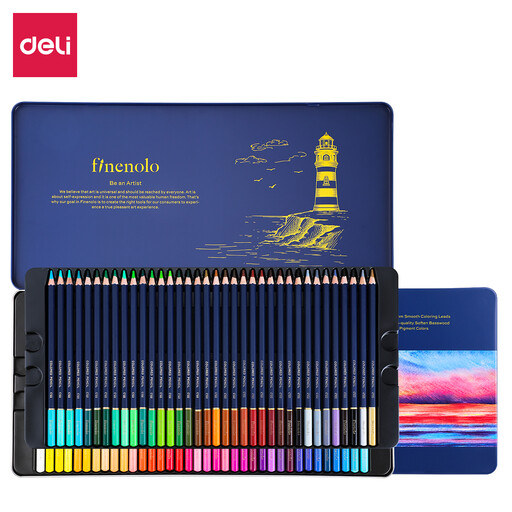
Why This Fits Their Persona: A broad palette suits beginners, students and adults who want one set for colouring books, sketching and everyday art projects at home.
The 72-colour range reduces the need to buy several small sets, while the metal tin provides organised storage instead of loose pencils.
Pigment-based cores are described as smooth and blendable; the pencils have break-resistant leads and an ergonomic shape.
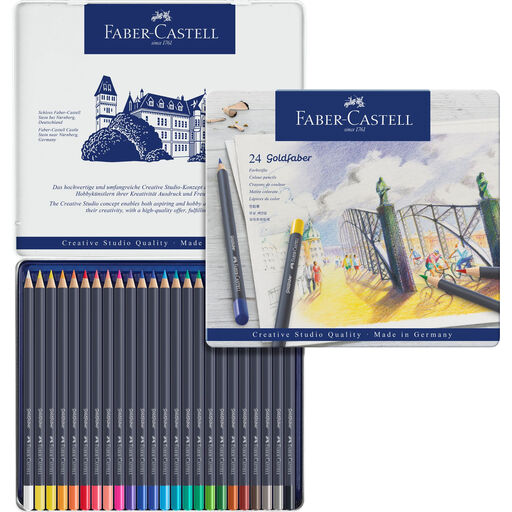
Why This Fits Their Persona: Suitable for hobby artists, students and illustrators who want a compact tin for drawing, shading and finished pieces.
The stated 3.3 mm lead, break-resistant construction and water-resistant, smudge-resistant qualities provide clearer specification detail than vague durability claims.
The 24-colour tin supports layering and hatching; the wood casing is designed for comfortable handling.
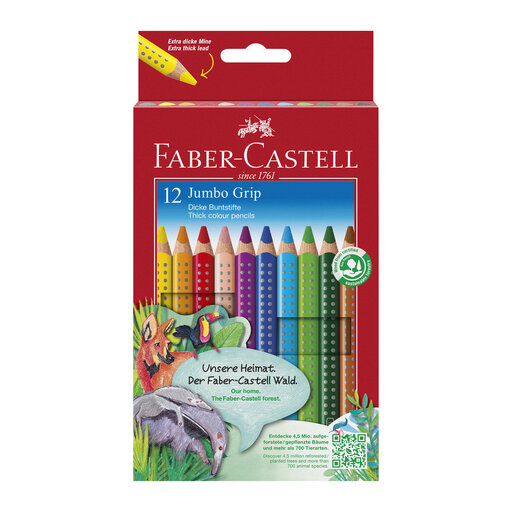
Why This Fits Their Persona: The chunky triangular barrel and non-slip grip are designed for little hands, making this a practical choice for supervised drawing at home or school.
Its dimensions and grip design are clearly stated, while the SV bonding process is specified for lead break resistance.
The 12 pencils use water-soluble pigments and include an extra-thick lead for bold colour application.
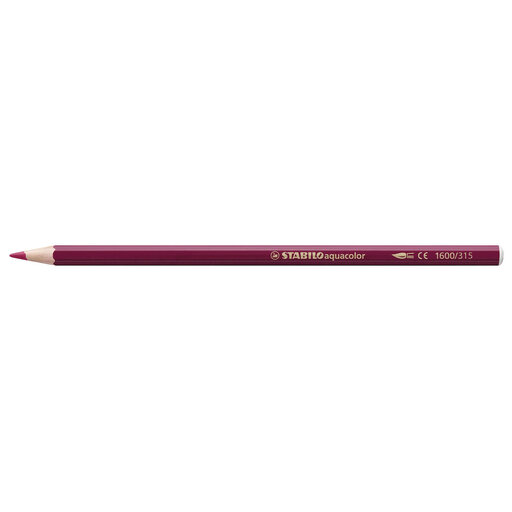
Why This Fits Their Persona: Useful for artists and creative individuals who want dry pencil control alongside brush-applied watercolour effects.
The water-soluble function is explicitly described, so it is less likely to be confused with standard dry colouring pencils.
The 36-colour set has 2.8 mm leads and can be used dry or wet on dry or damp paper.
We have compiled a complete, real-time list of products that fully satisfy these strict selection criteria and UK safety regulations.
Yes, many are designed for children, but check the recommended age, choking warnings and whether adult supervision is advised. Jumbo or triangular pencils can be easier for young children to hold. Keep sharp points, shavings and small parts away from children under the stated age.
Lifespan depends on how often they are used, how much pressure is applied and how frequently they are sharpened. A thicker, break-resistant core may reduce waste, while a quality sharpener helps prevent unnecessary snapping. Store pencils in a dry place and keep tins or cases closed when not in use.
They do not require water, electricity or replacement cartridges, so ongoing costs are generally limited to sharpeners, paper and occasional replacement pencils. Watercolour pencils may also require brushes and suitable paper, while pastel pencils can require fixative or specialist surfaces depending on the artwork.