
24/7 Customer Support

Free returns

Same-day & Next-day Delivery

Quality Guaranteed

Unlock Your Welcome Offers: FREE Delivery | Up to 80% OFF | Free 30-day JoyPlus trial
Download the APP
Choosing coloured pencils can seem straightforward until you compare lead types, colour counts, barrel shapes and marketing claims. A low-cost set may lack the shades needed for blending, while a large artist collection can be unnecessary for school projects or casual colouring.
Whether you are buying children’s coloured pencils, artist coloured pencils or coloured pencils for colouring books, the right choice depends on how and where they will be used.
A set of 72 colours may appear economical, but a broad palette is not useful if the pencils are difficult to blend, frequently break or contain several very similar shades. For beginners, a smaller set with distinct colours can be easier to manage. More advanced users may benefit from larger colouring pencil sets for layering and subtle transitions.
Watercolour pencils contain pigments that can be activated with water, but ordinary coloured pencils generally do not produce the same effect. Check whether the product specifically states that the lead is water-soluble or aquarellable. You will also need suitable paper and a clean brush to avoid muddy colour.
Thin round barrels can be tiring for young children or anyone colouring for long periods. Ergonomic coloured pencils, triangular barrels and jumbo coloured pencils may provide more control. Lead construction also matters: frequent sharpening and heavy pressure can expose weak cores, causing breakage and wasted product.
For everyday drawing, sketching and colouring books, wax-based or standard pigment cores are usually practical. Look for a smooth laydown and clear colour identification.
Watercolour pencils are suitable for dry colouring as well as brush-activated washes. The STABILO Aquacolor range, for example, can be used on dry or damp paper, with colour also transferable from the lead using a brush.
Pastel pencils create a dry, dusty stroke and can be blended for softer artwork. They are useful for tonal work, but pastel dust requires sensible handling and storage in a dry place.
Metallic coloured pencils are designed for decorative highlights rather than detailed tonal realism. They can work well for cards, craft projects and accents on paper.
A thicker core can be useful for broad coverage, while a fine point supports outlines and small details. The Goldfaber Colour Pencil has a 3.3 mm lead, while STABILO Trio uses a 4.2 mm lead for bold colouring.
For children, break-resistant coloured pencils can reduce interruptions during use. Look for construction details such as bonded cores or a robust wooden casing rather than relying only on phrases such as “strong” or “durable”.
Triangular and non-slip designs can help children develop a more controlled grip. Some ergonomic options are made for left- or right-handed users, while others are suitable for either hand.
Check the recommended age, choking warnings and supervision guidance before buying children’s coloured pencils. For sustainability-conscious shoppers, look for specific material information such as PEFC-certified wood, reforested wood or a stated water-based varnish. These details are more useful than a general “eco” label.
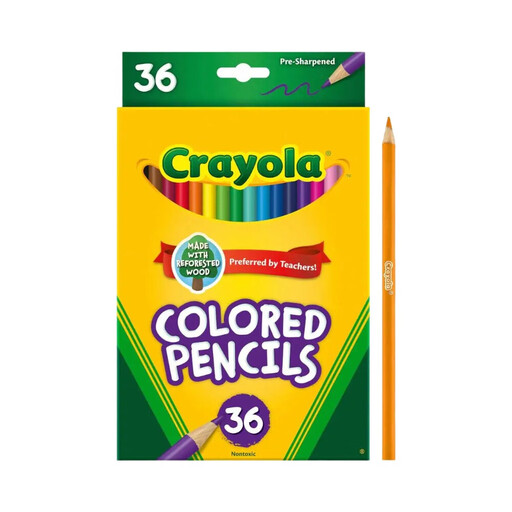
Why This Fits Their Persona: A practical option for children aged five and above, school projects and families wanting a varied palette without moving straight to specialist artist pencils.
The 36-colour format provides useful variety, while thick cores and smooth-grained wood are specified to support sharpening and everyday use.
36 colours; made with reforested wood; suitable for layering, blending and everyday colouring.
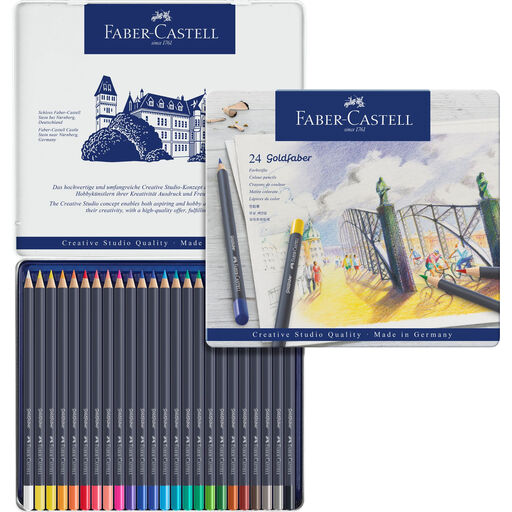
Why This Fits Their Persona: Suits students, illustrators and hobby artists who want a compact set for controlled drawing, sketching and finished pieces.
The stated 3.3 mm core, water-resistant and smudge-resistant properties provide more useful information than colour-count marketing alone.
Pigmented laydown; suitable for layering and hatching; core designed for break resistance and lightfastness.
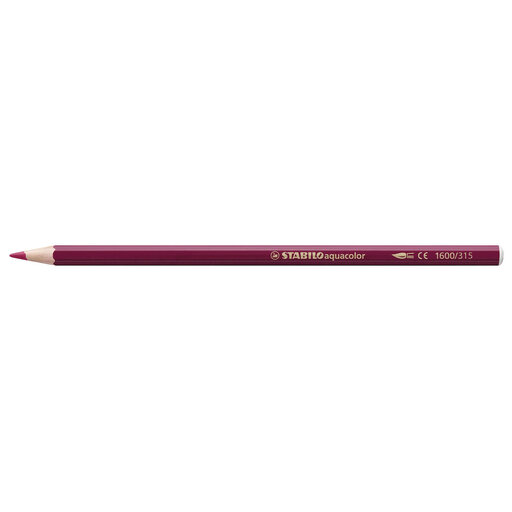
Why This Fits Their Persona: Designed for users who switch between precise dry drawing and brush-created washes, including art students, illustrators and mixed-media hobbyists.
Its water-soluble specification is clear, so buyers are not left guessing whether a standard pencil will create an aquarelle effect.
36 colours; 2.8 mm lead; usable dry or wet on dry or damp paper.
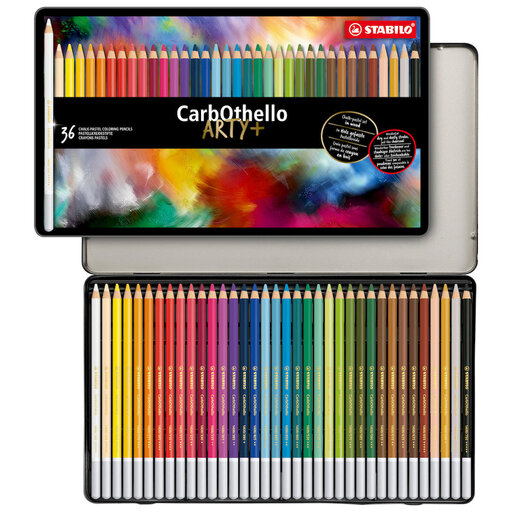
Why This Fits Their Persona: A focused choice for artists and hobbyists working with dry, blendable colour, detailed highlights and darker papers.
The product clearly identifies itself as a chalk-pastel pencil, helping buyers avoid expecting the waxy finish of conventional colouring pencils.
36 highly pigmented colours; fine-point sharpening; blendable and partially water-soluble core.
We have compiled a complete, real-time list of products that fully satisfy these strict selection criteria and UK safety regulations.
Yes. Standard coloured pencils are convenient for detailed patterns, layering and controlled shading. A larger set, such as a 36- or 72-colour collection, can reduce the need to mix colours manually. Softer leads may cover pages more quickly, while harder leads can provide finer details.
Use paper designed for wet media or a heavier mixed-media sheet. Thin printer paper can buckle when water is added. Apply a small amount of pigment first, then activate it gradually with a clean, lightly damp brush.
Lifespan depends on pressure, sharpening frequency and how often they are used. A thick, break-resistant core can reduce waste, but no pencil is immune to breakage. Keeping pencils dry, sharpening carefully and using moderate pressure will help preserve them for longer.