
24/7 Customer Support

Free returns

Same-day & Next-day Delivery

Quality Guaranteed

Unlock Your Welcome Offers: FREE Delivery | Up to 80% OFF | Free 30-day JoyPlus trial
Download the APP
Choosing coloured pencils can look simple until you compare core thickness, grip shape, colour count and special effects. A low-priced set may suit occasional colouring, while a larger set could offer more shades than a child or beginner will use. The right choice depends on who will use the pencils, the paper involved and how much control or durability is needed.
A 72-colour set offers more options for shading and gradients, but it may be unnecessary for schoolwork or first creative projects. Colour duplication can also reduce the practical value of a large set. Before buying, consider whether the user needs basic primary colours, pastel and neon shades, or a broad palette for illustration.
Traditional colouring pencils are designed for dry application. Watercolour pencils can be activated with water, while pastel pencils create a softer, powderier mark. Metallic pencils add shimmer but are not necessarily suitable for detailed tonal drawing. Choosing the wrong type can lead to disappointing results, especially if the buyer expects one pencil to perform every technique.
A thin, round barrel may be difficult for younger children to control. A fragile core can also snap during sharpening or when firm pressure is applied. Look for the details that matter in daily use: triangular or non-slip ergonomic designs, lead thickness, and whether the product specifies a break-resistant core or bonded construction.
The core affects colour coverage, detail and durability. A 2.8 mm lead, such as that used in some water-soluble colouring pencils, offers a balance between precision and smooth application. Thicker 4.2 mm leads are more suited to young children and broad areas because they can provide bold coverage and withstand more pressure.
For artist coloured pencils, check whether the core is wax-based, pigment-based, chalk-pastel or water-soluble. Pastel pencils are useful for dry blending and soft marks, but they can create dust and need more careful storage. Watercolour pencils provide dry lines or diluted washes when used with a damp brush.
A triangular barrel can help guide finger placement, while moulded grip zones may be useful for children learning pencil control. Left-handed and right-handed versions are available in some ergonomic coloured pencils, so check the product description carefully rather than assuming one design fits everyone.
For children aged five and over, also check the stated age guidance and warnings. Pencils include small parts and should be used with appropriate supervision. Keep sharpened points away from younger children.
Wood casing quality affects sharpening. Smooth-grained wood can reduce splintering and make sharpening easier. Buyers interested in sustainable coloured pencils should look for specific information such as PEFC-certified wood, reforested wood or certified forestry sources rather than relying on vague environmental wording.
A tin or secure case is helpful for larger coloured pencil sets, particularly when they are carried between home, school and art classes. Keep pencils dry and away from direct sunlight, and use a suitable sharpener to reduce unnecessary core breakage.
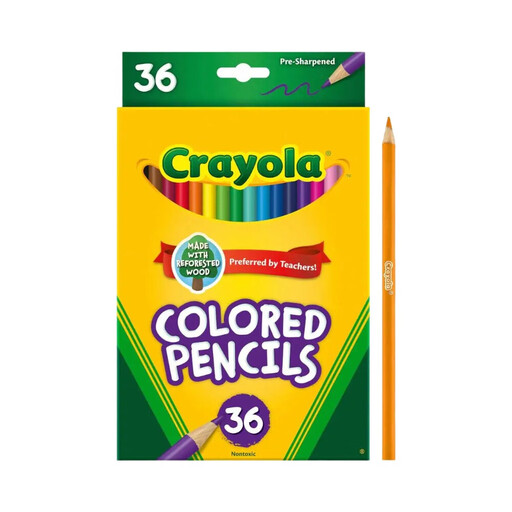
Why This Fits Their Persona: A practical 36-colour option for families, school pupils and beginners who want variety without moving straight to a very large artist set.
The thick cores are described as resistant to breaking under pressure, helping reduce waste during everyday colouring and sharpening.
Pre-sharpened pencils, reforested wood and a palette suitable for layering, blending and everyday projects.
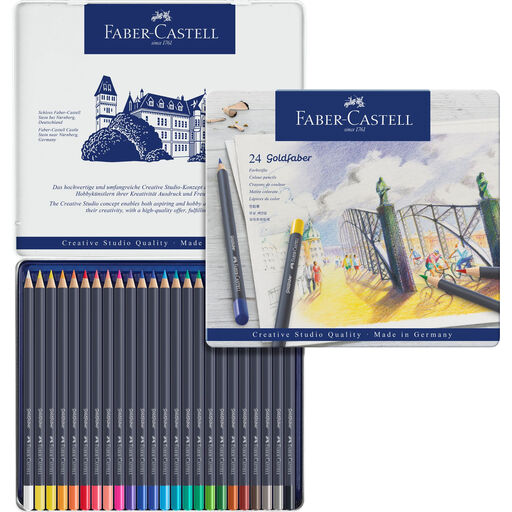
Why This Fits Their Persona: Suited to students, hobbyists and artists who prioritise controlled drawing, finished pieces and a compact metal tin for organised storage.
Its stated 3.3 mm core and break-resistant construction address the common problem of snapping during regular use.
The product information specifies smudge-resistant and water-resistant colour, plus suitability for layering, hatching and blending.
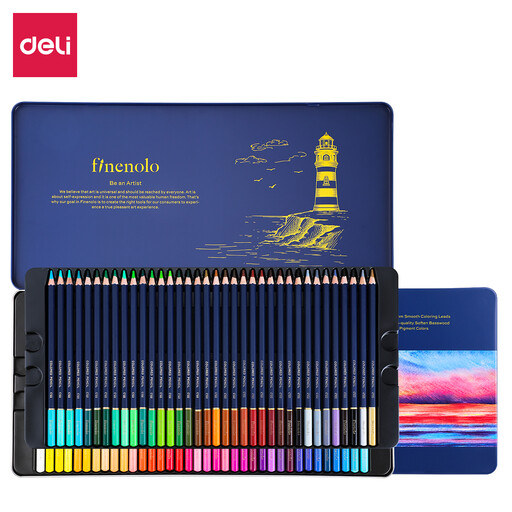
Why This Fits Their Persona: A broad palette for adult colouring books, illustration, detailed shading and frequent home or studio use.
The listing identifies smooth, break-resistant leads and a metal tin, helping address storage and durability concerns.
72 colours support blending and layering, while the case is practical for transporting pencils between home, school or studio.
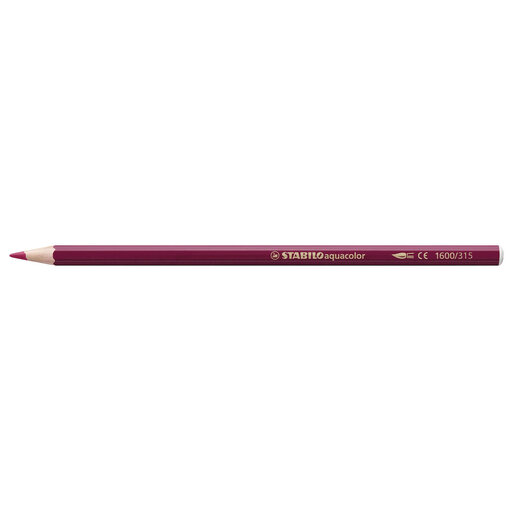
Why This Fits Their Persona: A suitable option for hobbyists, creative children and students who want to move between precise dry lines and watercolour-style effects.
The water-soluble format is clearly defined, so buyers know it is intended for wet techniques rather than expecting a standard dry pencil to create washes.
The 2.8 mm lead can be used dry or wet, with colour also transferable from the lead using a brush.
We have compiled a complete, real-time list of products that fully satisfy these strict selection criteria and UK safety regulations.
Many sets are suitable for children aged five and over, but always check the individual product warning. Small parts, pencil points and sharpeners can present risks, so younger children should use them under adult supervision. Chunky or triangular barrels may also be easier for small hands to control.
Lifespan depends on core hardness, sharpening frequency, pressure and how often the pencils are used. Break-resistant coloured pencils may reduce snapping, while a good-quality sharpener helps preserve the core. Store pencils in a dry case and avoid dropping them, as repeated impact can damage the internal lead.
They can perform dry colouring, but their main additional feature is water activation. If you mainly create firm outlines, detailed hatching or dry layering, traditional coloured pencils may be more suitable. If you want washes, gradients or brush effects, watercolour pencils provide greater flexibility.