
24/7 Customer Support

Free returns

Same-day & Next-day Delivery

Quality Guaranteed

Unlock Your Welcome Offers: FREE Delivery | Up to 80% OFF | Free 30-day JoyPlus trial
Download the APP
Choosing coloured pencils can look straightforward until you compare lead types, colour counts, grip designs and intended uses. A low-priced set may suit occasional colouring, while a larger artist pencil set may be unnecessary for a child’s school bag. The right choice depends on how the pencils will be used, how much control is needed and whether wet or dry techniques are important.
This guide from the Joybuy Product Recommendation Officer explains the features worth checking before you buy, common marketing pitfalls and suitable options for different users in the UK.
A 72-colour set can offer more shades for blending, but unused colours may add cost and storage requirements. Beginners and young children may achieve more with 12 or 24 carefully selected colours. Check whether the set matches the user’s current ability and project type rather than choosing by number alone.
Standard colouring pencils are designed for dry application. Watercolour pencils contain water-soluble pigments, allowing a damp brush to soften or spread the colour. This requires suitable paper and extra equipment, such as a brush and water pot. If these materials are not available, a conventional set may be more practical.
Thin leads can be useful for precise drawing, but they may be less suitable for children who apply heavy pressure. Chunky barrels and thick leads are easier for small hands to control, while triangular or textured grip zones can help users maintain a steadier hold. Check the pencil’s dimensions before buying, especially for younger children or longer drawing sessions.
The lead determines the pencil’s appearance and handling:
Look for clear information about whether the lead is water-soluble, pastel-based or wax-based. These properties affect sharpening, blending and the paper required.
A thicker lead usually covers more area and can feel more robust during everyday colouring. For example, the STABILO Trio pencils use a 4.2mm lead, while the STABILO Aquacolor range uses a 2.8mm lead. The Faber-Castell Goldfaber set has a 3.3mm lead designed for controlled colour application.
Break-resistant construction is also useful for school and travel. Some products in this guide use a special bonding process to help secure the core within the wooden casing. Even with this feature, avoid pressing excessively and use a sharpener suited to the pencil size.
For children, look for ergonomic coloured pencils with triangular barrels, non-slip zones or a jumbo shape. Left- and right-handed designs may also be available. A name panel can be useful in school settings, where pencils are easily mixed up.
For larger sets, a tin or secure case helps protect the leads and keeps colours organised. Young children should use pencils under supervision, and sharpeners with exposed blades should be handled carefully. Always follow the manufacturer’s age guidance and safety information, particularly where small parts or sharp points are involved.
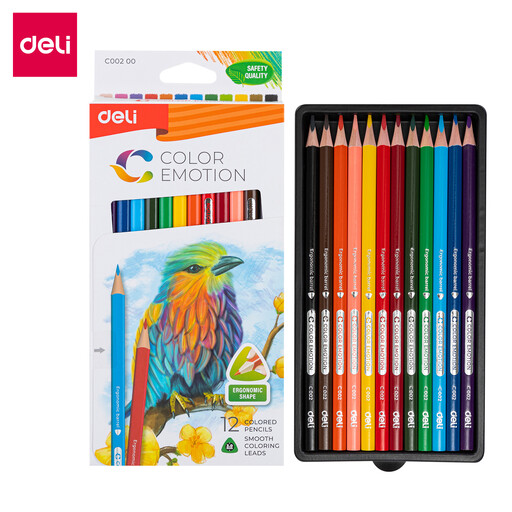
Why This Fits Their Persona: A straightforward 12-colour option for first-time buyers, homework, casual colouring and basic drawing practice at home.
The compact colour range avoids paying for shades that a beginner may rarely use, while the wooden format remains suitable for ordinary dry colouring.
12 assorted colours; suitable for drawing, sketching and general colouring.
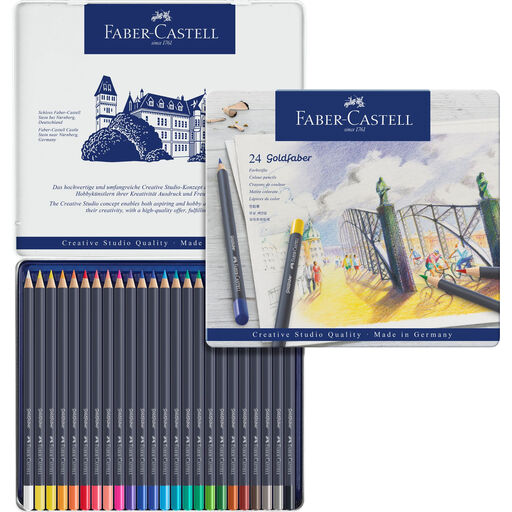
Why This Fits Their Persona: A practical choice for hobby artists, students and illustrators who want a more controlled set for layering, hatching and blending.
The 24-colour format offers more flexibility without jumping straight to a very large collection, and the metal tin helps with organised storage.
3.3mm lead; described as smudge-resistant and water-resistant; supplied in a 24-pencil tin.
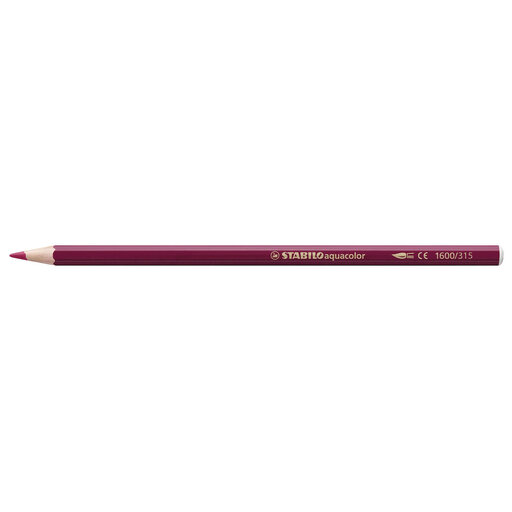
Why This Fits Their Persona: Designed for frequent users who want to switch between detailed dry drawing and watercolour-style effects in one collection.
The water-soluble specification is clearly defined, so buyers can prepare paper, a brush and water rather than expecting standard pencils to create the same effect.
36 colours; 2.8mm water-soluble lead; usable dry or wet, including colour lifted from the lead with a brush.
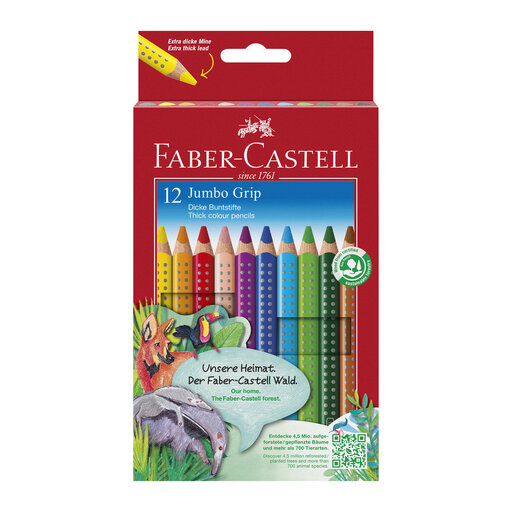
Why This Fits Their Persona: A child-focused option for home, nursery or primary-school activities where a larger barrel and easy handling are useful.
The thick triangular barrel and non-slip Soft-Grip zone address the common problem of small hands struggling with slim, smooth pencils.
Jumbo triangular barrel; water-soluble pigments; extra-thick lead; name panel for personalisation.
We have compiled a complete, real-time list of products that fully satisfy these strict selection criteria and UK safety regulations.
A suitable sharpener is essential for maintaining a clean point without wasting the pencil. Check whether it supports standard or jumbo diameters. The M&G Pencil Sharpeners 4 Pack includes two-hole sharpeners with shavings containers, making them convenient for pencil cases and desks.
For pastel pencils, use a sharpener intended for softer cores where possible. Pastel dust should be managed in a well-ventilated area, and the product should be stored somewhere dry. Metallic pencils can be used for highlights, borders and decorative details, but their visual effect is usually most noticeable on darker or coloured paper.
Yes, many children’s coloured pencils use thicker barrels, triangular shapes or raised grip zones to make handling easier. Check the manufacturer’s warnings, supervise younger children and remember that sharpened pencils and sharpener blades require care.
Lifespan depends on lead hardness, sharpening frequency, pressure and how often the pencils are used. Break-resistant cores can reduce snapping, while a sharpener with a clean blade helps avoid unnecessary wastage. Store pencils in a dry place away from direct heat and moisture.
Watercolour pencils work on ordinary paper, but thin paper may buckle when water is added. Heavier watercolour or mixed-media paper generally provides better support for wet techniques. Use a small amount of water first to understand how strongly the pigment spreads.