
24/7 Customer Support

Free returns

Same-day & Next-day Delivery

Quality Guaranteed

Unlock Your Welcome Offers: FREE Delivery | Up to 80% OFF | Free 30-day JoyPlus trial
Download the APP
Buying coloured pens and markers can seem straightforward until the first few pens dry out, bleed through your notebook or fail to show clearly on the intended surface. Students, artists, teachers, office workers and crafters often choose based on colour count alone, but a large pack does not always match the job.
The most common buying traps are:
Tip size affects control, coverage and the amount of detail you can produce.
Check the stated line width rather than relying on terms such as “fine” or “medium”. A 2.9mm paint marker tip and a 0.4mm fineliner serve very different purposes.
Ink type determines appearance, drying behaviour and surface compatibility.
For UK homes, classrooms and offices, also read the product warnings. Look for instructions about ventilation, keeping caps secured, avoiding eye contact and storing products away from young children. Follow the manufacturer’s guidance rather than relying on general assumptions about ink safety.
An assorted colour pen set is useful only if the colours remain usable. Caps should close securely, and many markers perform better when stored horizontally, as specified by the manufacturer.
A small two-pack may be sensible for occasional labelling, while a 72-pack suits a busy classroom, office or shared craft area. For artists and adult colouring enthusiasts, a larger set can offer tonal variety, but replacement nibs, swatch cards and a storage case may be more valuable than extra shades.
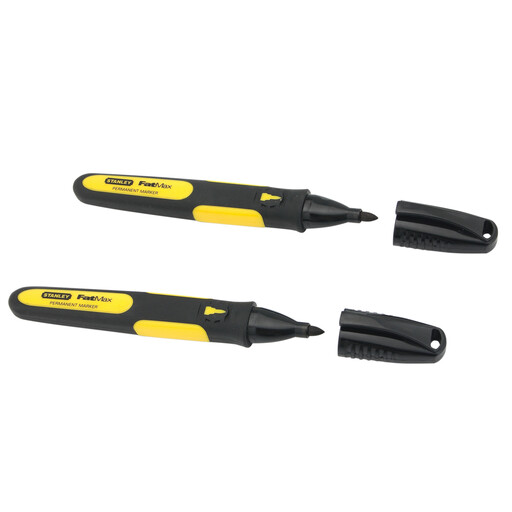
Why This Fits Their Persona: A compact option for occasional labelling, basic writing and small drawing tasks at home, school or work.
The two-colour format avoids paying for a large assortment when only a few colours are needed.
Fine tips support detailed writing, while the assorted colours offer basic task separation.
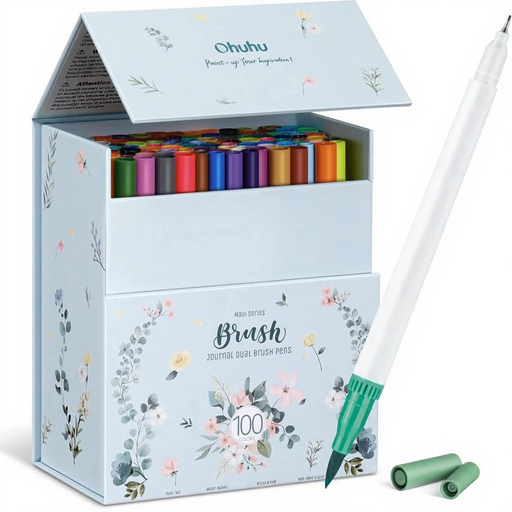
Why This Fits Their Persona: Artists and adult colouring enthusiasts can organise a broad palette using the numbered pens, swatch card and storage case.
The dual-tip design provides both a 0.4mm fineliner and a 1–6mm brush tip, rather than requiring separate sets for detail and broad strokes.
100 water-based colours, replacement tips and a case support organised, repeat creative use.
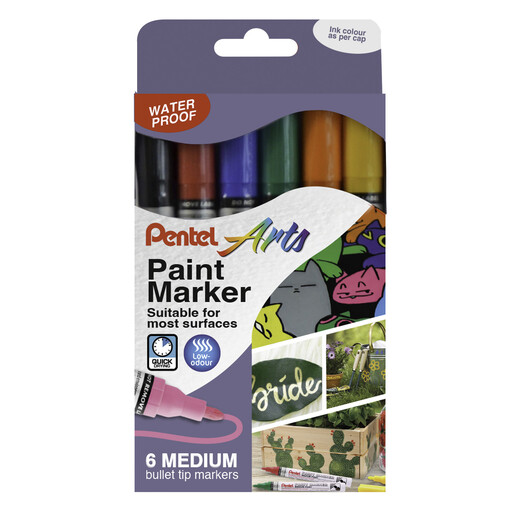
Why This Fits Their Persona: Suitable for frequent craft, hobby, labelling or workshop use where marks need to show on more than paper.
Its stated compatibility includes thick card, metal, glass, plastic and rubber, helping buyers choose a surface-focused tool instead of a paper marker.
A 4.5mm bullet tip and permanent, opaque pigment-based ink support visible, broader marks.
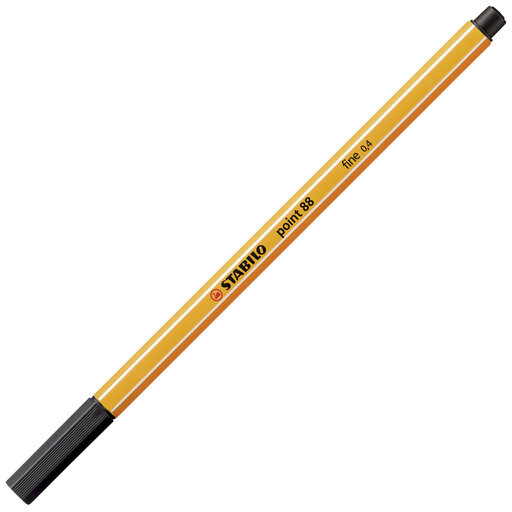
Why This Fits Their Persona: A practical match for colour-coded revision, journalling, habit tracking and precise planner layouts.
The 0.4mm line width is clearly specified, so users can assess precision instead of relying on vague fine-line wording.
The metal-cased tip is suitable for use with rulers and stencils, and the set contains 24 assorted colours.
We have compiled a complete, real-time list of products that fully satisfy these strict selection criteria and UK safety regulations.
Quick-drying ink can help reduce smearing, particularly with gel pens and some fine-tip markers. However, drying time varies by formula and paper type. Left-handed users should check the product description and test a small sample before using a marker for extensive notes.
Lifespan depends on usage, cap security, storage and ink type. Replace caps immediately after use, store products as instructed and avoid leaving markers in direct heat. A large pack may offer better availability for shared use, but unused pens can still dry out if poorly stored.
Chalk markers are generally intended for suitable non-porous surfaces and can be wiped with a damp cloth according to the supplied instructions. Test first, especially on painted boards or coated surfaces. Do not assume they will remove easily from porous materials, fabric or untreated wood.