
24/7 Customer Support

Free returns

Same-day & Next-day Delivery

Quality Guaranteed

Unlock Your Welcome Offers: FREE Delivery | Up to 80% OFF | Free 30-day JoyPlus trial
Download the APP
As a Joybuy Product Recommendation Officer, I often see people invest in art supplies that don't quite meet their needs. When it comes to colouring pencils, the market is filled with options that can be confusing. A vibrant box might hide leads that snap, or a huge set might offer dozens of shades that look disappointingly similar on paper.
This guide is designed to help you navigate the choices, whether you're buying for a child's school project, a relaxing adult colouring book or your next artistic masterpiece. We'll look at the common pitfalls to avoid and the key features that truly matter, ensuring your next set of colouring pencils is a joy to use.
Before you add a set to your basket, be aware of these frequent issues that can lead to disappointment:
To make a smart purchase, focus on these three technical aspects. They are the true indicators of a pencil's quality and suitability for your needs.
The "lead" of a colouring pencil is a core made from pigment and a binder. The two most common types are wax-based and oil-based.
More important than the binder is the bonding process. Look for terms like SV (Secural Bonding), which indicates the entire length of the core is glued to the wood casing. This is the most effective feature for creating genuinely break-resistant pencils.
The vibrancy and blendability of a pencil depend entirely on its pigment concentration.
The shape and size of a pencil should match the user.
Based on these practical criteria, here are some recommendations matched to different user needs.
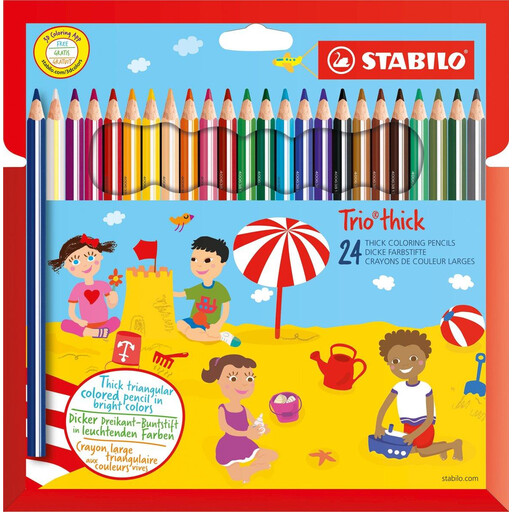
Why This Fits Their Persona: This set is specifically designed for young children in the UK learning to draw. The triangular shape is ideal for small hands, helping to develop a correct and comfortable grip for school and home art projects.
It avoids the "one-size-fits-all" trap by being an explicitly ergonomic pencil for kids. The thick 4.2mm lead is robust, directly countering the problem of frequent breakage from heavy-handed use.
The primary advantage is its ergonomic triangular design that promotes proper grip. The leads provide rich colour laydown, making colouring fun and rewarding for children.
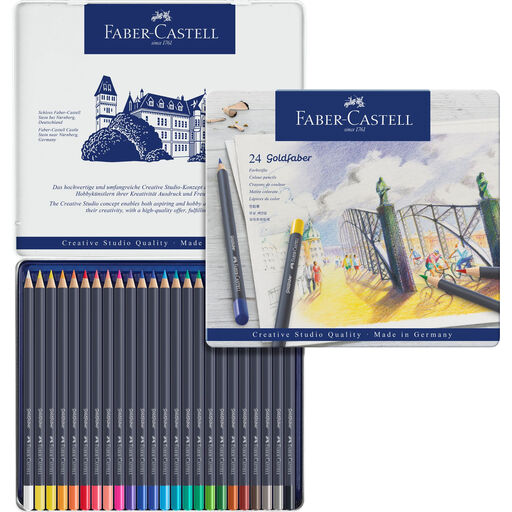
Why This Fits Their Persona: For the adult colouring enthusiast or aspiring artist, this set provides a significant step up in quality. It offers excellent colour brilliance and lightfastness, making it suitable for work you want to keep.
This set prioritises quality over quantity. Instead of 72 mediocre colours, you get 24 highly pigmented ones that blend well. The manufacturing process ensures maximum break resistance, avoiding the snapping-lead pitfall.
The highly pigmented 3.3 mm lead provides outstanding colour brilliance and is both smudge-proof and water-resistant. It's a versatile pencil that performs well across many drawing techniques.
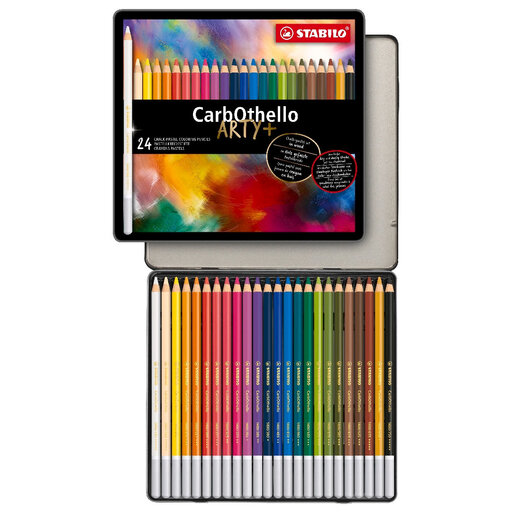
Why This Fits Their Persona: This is for the artist or serious hobbyist looking to experiment with a different texture. It combines the rich, blendable nature of chalk pastels with the control and precision of a pencil, making it a unique tool for expressive artwork.
This is a specialised tool, not a generic pencil. Its value lies in its specific function—delivering a dry, dusty stroke with high opacity. The quality is evident in its performance, particularly on dark papers where cheaper pencils fail.
It offers the properties of chalk pastels in a clean, convenient pencil format. The highly pigmented colours are blendable and can be sharpened to a fine point for detailed work.
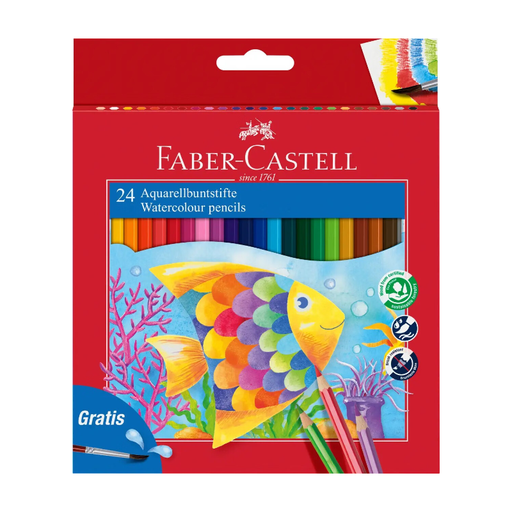
Why This Fits Their Persona: Ideal for anyone in the UK who wants to explore both drawing and painting without buying two separate sets of art supplies. These Faber-Castell pencils offer the precision of a pencil and the fluid effects of watercolour paint.
This pencil delivers on a specific, verifiable function: the lead is fully water-soluble. It also features the brand's SV bonding, which provides the genuine break resistance that many other pencils only claim to have.
Its dual functionality as both a dry pencil and a water-soluble paint is its main strength. The colours are brilliant, and the set includes a brush, providing everything needed to start creating watercolour effects.
We have compiled a complete, real-time list of products that fully satisfy these strict selection criteria and UK safety regulations.
1. What is the difference between wax-based and oil-based colouring pencils? The main difference lies in their texture and how they perform. Wax-based pencils are typically softer, allowing for quick colour laydown, but can sometimes feel waxy on the paper. Oil-based pencils have a harder core, hold a point for longer, and are often preferred for fine details and layering without any waxy build-up. The choice depends on your personal preference and artistic style.
2. How can I stop my colouring pencils from breaking when I sharpen them? First, look for pencils that specify a bonded core (like SV bonding). Second, use a sharpener with a high-quality blade; a dull blade will tear the wood and stress the lead. For expensive artist-grade pencils, a manual sharpener often gives you more control than an electric one. Avoid dropping your pencils, as the impact can fracture the core internally even if the wood looks fine.
3. Are watercolour pencils a good choice for a beginner? Yes, they can be an excellent and versatile choice. They allow you to get comfortable with drawing and shading first, and then you can introduce water to learn about colour mixing and blending in a new way. It's like getting two art mediums in one, which is great for discovering what techniques you enjoy most without a large initial investment.