
24/7 Customer Support

Free returns

Same-day & Next-day Delivery

Quality Guaranteed

Unlock Your Welcome Offers: FREE Delivery | Up to 80% OFF | Free 30-day JoyPlus trial
Download the APP
Navigating the world of colouring pencils can be surprisingly complex. Whether you're a parent buying a first set of colouring pencils for your child or an artist looking to expand your toolkit, the market is filled with options that don't always live up to their promises. As your Joybuy Product Recommendation Officer, my role is to help you sidestep common purchasing mistakes and find the right pencils for your needs without the marketing fluff.
Before you add a set to your basket, let's look at a few common pitfalls that lead to disappointment and wasted money.
To avoid these issues, it helps to understand a few key features. Focusing on these parameters will ensure you get a product that performs as you expect.
The "lead" in a colouring pencil is a core made of pigment and a binder. The type of binder dramatically changes how the pencil behaves.
artists colouring pencils, oil-based cores are typically harder and more durable. They hold a fine point for longer, making them ideal for detailed work. They blend smoothly without wax bloom, but they tend to be more expensive.Watercolour pencils are fantastic for mixed-media art and for those who want to experiment with both drawing and painting.How a pencil feels in the hand and how well it withstands use are just as important as its colour.
triangular colouring pencils are often recommended for young users. This ergonomic colouring pencils design promotes a proper tripod grip, which is fundamental for developing writing skills and reducing hand strain.For those with specific artistic goals, there are other options to consider:
Pastel pencils are excellent for fine details in pastel drawings and are a staple for many professional art pencils collections.Based on these practical considerations, here are a few recommendations matched to different user needs.
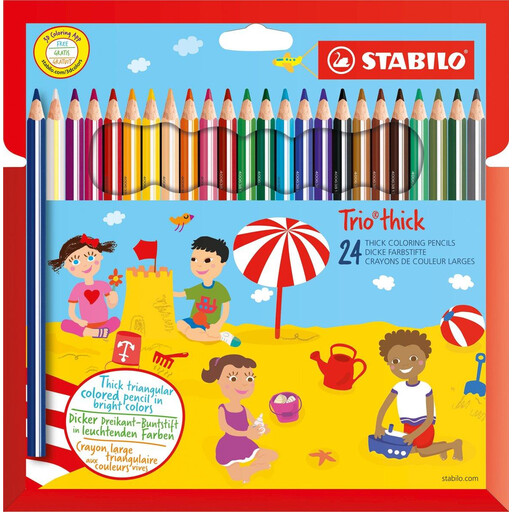
Why This Fits Their Persona: Ideal for parents and educators in the UK looking for reliable `kids colouring pencils`. The design focuses on the developmental needs of children, making colouring comfortable and productive rather than frustrating.
The ergonomic triangular shape directly counters the "one-size-fits-all" problem, promoting a proper grip. Its thick 4.2mm lead is robust, addressing the issue of constant breakage from pressure.
Delivers rich, vibrant colour without requiring heavy pressure. The thick lead provides smooth, bold coverage, making colouring more enjoyable for children.
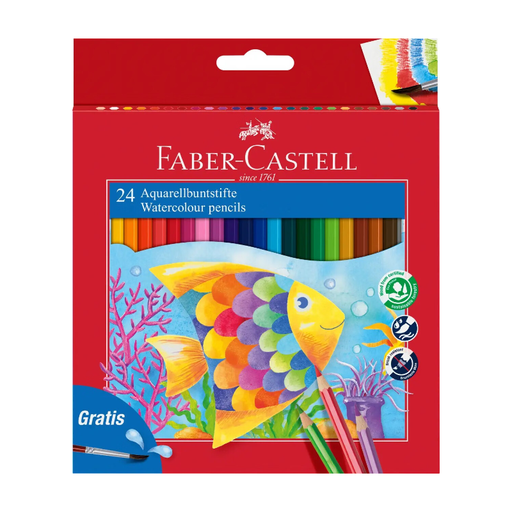
Why This Fits Their Persona: Perfect for the UK hobbyist or student who wants to explore more advanced techniques without a huge initial investment. It offers the functionality of two art mediums in one convenient set.
This set combats the "dull colour" pitfall with brilliant, silky pigments. The fully water-soluble lead provides genuine versatility, unlike cheaper pencils that only partially dissolve, leaving grainy marks.
Features SV bonding to resist lead breakage. The wood is sourced from sustainable forestry and the colours wash out of most fabrics, adding a practical benefit.
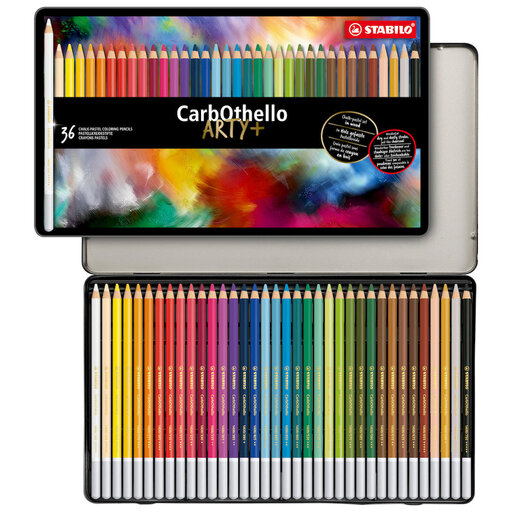
Why This Fits Their Persona: For the serious artist in the UK who needs the specific texture of chalk pastels with the precision of a pencil. These are `professional art pencils` for detailed pastel work, not general-purpose colouring.
This is a specialised tool, not a generic pencil. Its high pigmentation provides excellent opacity, even on dark paper, avoiding the weak colour of lower-quality pencils. The chalk-pastel format is distinct and not trying to be a "do-it-all" product.
The colours are dry-blendable and can be sharpened to a fine point for detail. The wooden shaft offers protection against breakage, combining the feel of a pastel with the durability of a pencil.
We have compiled a complete, real-time list of products that fully satisfy these strict selection criteria and UK safety regulations.
The primary difference lies in the binder used with the pigment. Wax-based pencils are generally softer, lay down colour more readily and are often more affordable. However, they can be more prone to breaking and may produce a "wax bloom." Oil-based pencils have a harder core, hold a sharp point for longer (ideal for details) and blend very smoothly without bloom, but they typically come at a higher price point.
First, choose pencils with bonded leads (look for descriptions like SV bonding). Second, use a sharp, high-quality pencil sharpener designed for colouring pencils, as a dull or poorly made sharpener can crack the wood and the core. Avoid dropping your pencils, as the impact can fracture the lead internally even if the wood casing looks fine.
kids colouring pencils for drawing and then transforming into paint with a bit of water. This can be a great way to introduce painting concepts without the mess of traditional paint pots. For younger children, look for sets with thicker, more durable leads and non-toxic pigments.