
24/7 Customer Support

Free returns

Same-day & Next-day Delivery

Quality Guaranteed

Unlock Your Welcome Offers: FREE Delivery | Up to 80% OFF | Free 30-day JoyPlus trial
Download the APP
Buying colouring pencils can seem straightforward until a child struggles with a pencil that is too thin, an artist finds the colour range limiting or a supposedly durable lead breaks during sharpening. Marketing often focuses on bright packaging and large colour counts, but those details do not always indicate whether a set suits your intended use.
This guide explains the practical specifications worth checking before buying coloured pencils, from lead size and hardness to grip design, colour type and storage.
A pencil set with 72 colours may offer variety, but it can be less useful than a smaller set with strong pigmentation, blendable cores and carefully selected shades. For schoolwork or casual colouring, 12 or 24 colours may be easier to organise. For illustration and adult colouring books, a broader palette can reduce the need to mix or layer colours.
Check whether the product description explains pigmentation, blending, layering or opacity, rather than focusing only on the number of pencils.
Not all colouring pencils behave in the same way:
Buying a specialist pencil for an everyday school project can add unnecessary cost, while using standard coloured pencils for watercolour effects will not produce the same result.
A pencil may look attractive but become uncomfortable during long colouring sessions. Thin barrels can be difficult for younger children to control, while soft leads may require more frequent sharpening. Conversely, a very hard core can feel scratchy and produce less colour.
Look for details such as triangular barrels, moulded grip zones, lead diameter and break-resistant bonding. These features can affect comfort and reduce waste over time.
For coloured pencils, a softer core generally gives smoother colour laydown and can make blending easier. A firmer core may be more suitable for fine outlines and detailed work. Product descriptions should ideally state whether the pencil is soft, water-soluble, wax-based, chalk-pastel or designed for a particular technique.
For graphite or professional drawing pencils, hardness grades such as HB, B and 14B indicate practical differences. HB is suited to general writing and lighter drawing, while softer B grades create darker, broader marks.
A thicker lead is useful for bold coverage and may withstand pressure more effectively. For example, the STABILO Trio pencils use a 4.2 mm lead, making them appropriate for broad colouring by young children. The STABILO aquacolor range uses a 2.8 mm lead, offering a balance between control and water-soluble colour application.
Look for descriptions mentioning SV bonding, secure lead bonding or break-resistant construction. These features help reduce lead breakage during ordinary sharpening, although no pencil is impossible to break if excessive pressure is applied.
A triangular pencil can encourage a more stable grip than a round barrel. This is particularly relevant for children learning to write or colour. The STABILO EASYcolors range has moulded, non-slip grip zones and versions designed for left- and right-handed users.
For younger children, also check:
A metal tin protects pencils in a school bag or studio, while a cardboard box can be lighter and easier for home use.
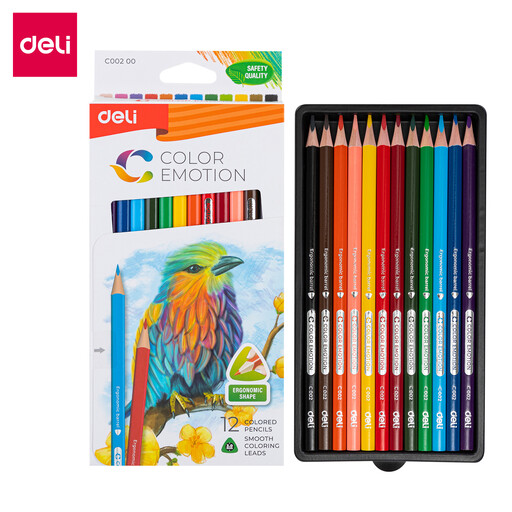
Why This Fits Their Persona: A compact 12-colour set is a practical starting point for pupils, occasional crafters and anyone building a basic stationery collection without committing to a large pencil set.
The smaller format avoids paying for shades that may remain unused and is easier to keep organised.
12 assorted colours; suitable for drawing, colouring and general creative activities.
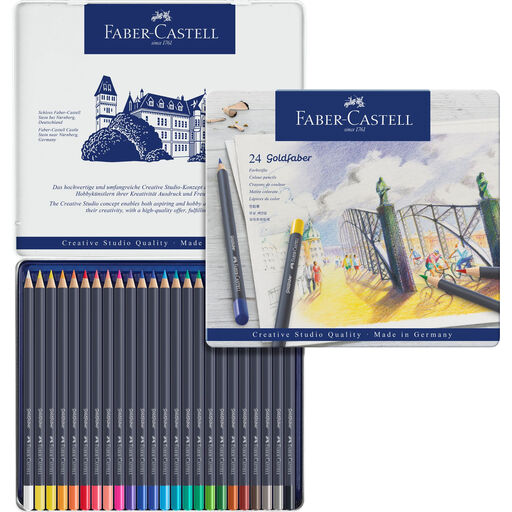
Why This Fits Their Persona: Students, illustrators and hobby artists can use this 24-colour set for regular drawing, layering and sketching across different paper surfaces.
Its stated 3.3 mm lead and break-resistant construction address concerns about fragile cores and inconsistent coverage.
Pigmented 3.3 mm core; described as smudge-resistant and water-resistant; supplied in a tin.
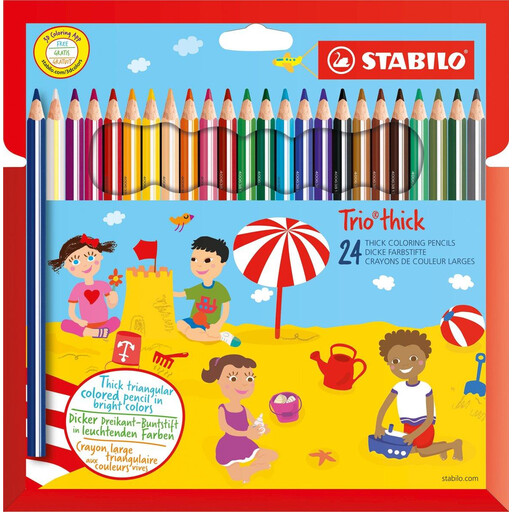
Why This Fits Their Persona: The triangular barrel and thick lead are designed for young children who need straightforward control for school or home colouring.
The 4.2 mm lead and chunky triangular shape are more appropriate for broad colouring than slim adult-style pencils.
24 assorted colours; triangular design; thick 4.2 mm lead for bold coverage.
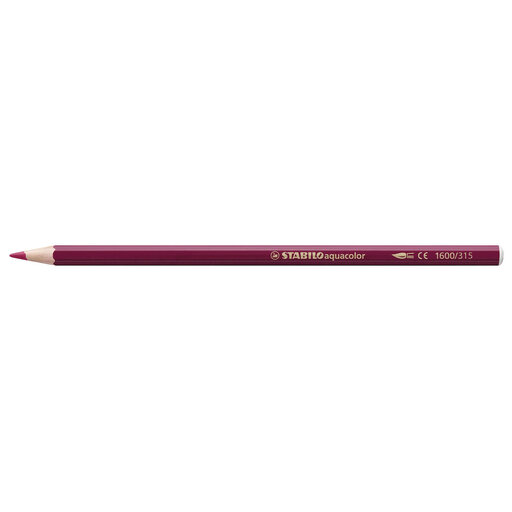
Why This Fits Their Persona: Illustrators, art students and experienced hobbyists who want both dry pencil marks and watercolour-style effects can switch techniques within one set.
The product clearly identifies its water-soluble design, so buyers are not relying on ordinary coloured pencils for watercolour results.
36 colours; usable wet or dry; colour can be lifted from the lead with a brush.
We have compiled a complete, real-time list of products that fully satisfy these strict selection criteria and UK safety regulations.
Yes. A 12- or 24-colour set is usually sufficient for learning basic colouring, layering and simple shading. Beginners may benefit from triangular or ergonomic colouring pencils if they find round barrels uncomfortable.
Watercolour pencils contain water-soluble pigment. They can be used dry like ordinary coloured pencils, then brushed with water to create blended or wash-like effects. Standard coloured pencils are generally intended for dry application unless the product description states otherwise.
Lifespan depends on lead softness, sharpening frequency, pressure and how often the pencils are used. Break-resistant bonding can help reduce snapping, while thicker leads may provide more usable material. Keeping pencils dry and sharpening them carefully can also reduce avoidable waste.