Frequent chocolate melters
If you regularly melt chocolate for baking, coatings or desserts, selectable lower power and a convenient short timer matter more than relying on full-power heating.


Choose a combination microwave with lower power settings that are easy to select, then melt chocolate in short bursts and stir between them. If melting is frequent, an inverter model with documented controls is worth considering; for occasional use, also weigh cleaning, cookware fit and the cooking modes everyone will actually use. Check the exact model’s placement and electrical instructions before choosing it for a shared kitchen.
If you regularly melt chocolate for baking, coatings or desserts, selectable lower power and a convenient short timer matter more than relying on full-power heating.
When several people use one appliance, consider how its cavity and accessories will be cleaned between uses, as well as whether shared bowls and plates fit.
If the same worktop appliance must also reheat meals or handle occasional grilling and convection cooking, check that its extra modes justify the space and accessories they require.
Start with controls for short, lower-power microwave bursts; then decide how the appliance will be cleaned and which cookware and cooking modes the shared kitchen needs.
| Concern | What to check | Who this matters to |
|---|---|---|
| Controlled melting | Check selectable lower microwave settings, short-timer controls and whether your bowl fits. | If I melt chocolate regularly, I want to adjust each short burst and stir before it overheats; around 42% of consumers put melting control first. |
| Cleaning between uses | Look at access to the cavity and removable accessories, and agree who cleans shared utensils. | When others use the microwave for different foods, I need a cleaning routine that covers residue on accessories as well as inside the cavity; roughly 33% of consumers prioritise clean shared use. |
| Capacity and worktop fit | Measure the worktop and door-opening space, then compare your usual cookware with the usable cavity or turntable. | If we also prepare shared meals, I need room for our dishes without taking up more worktop than we can spare; about 25% of consumers make cooking capacity and fit their primary concern. |
Microwave wattage does not tell you how convenient it is to select a lower setting or time a brief heating burst. Chocolate can also be molten while still holding its shape.
Compare the exact model’s power controls. Good Food advises heating chocolate in short bursts and stirring often, rather than continuing to heat it because pieces remain visible.
A surface that is easier to wipe does not address residue on shared utensils and accessories or replace a cleaning routine.
Agree how the cavity, cookware and accessories will be cleaned after use. If the kitchen operates as a food business, follow contamination-control measures appropriate to that operation.
Extra cavity space and cooking modes may be useful for shared meals but do little for a small bowl of chocolate if the appliance does not fit the intended worktop.
Measure the available space, allow for the door to open and check your usual dishes against the exact model’s cavity layout and placement instructions.
Limited sockets can make an extension lead seem convenient, but the arrangement needs checking before a shared kitchen adds another appliance.
Plan a suitable socket location and follow the model’s instructions. The London Fire Brigade advises against putting a microwave on the same extension lead as other power-hungry appliances such as kettles or toasters.
These examples show different combination-microwave formats to compare; the model details matter more than a brand name alone.
Relevant if you want to compare inverter controls with different cavity layouts and combination functions.
Relevant to shoppers considering a freestanding combination microwave for both melting and other cooking tasks.
Relevant where routine cavity cleaning is a priority alongside grill and convection cooking.
These choices cover combination microwaves for shared cooking, plus a built-in microwave with grill for kitchens that do not need convection. Compare the exact controls and installation requirements before choosing one for chocolate melting.
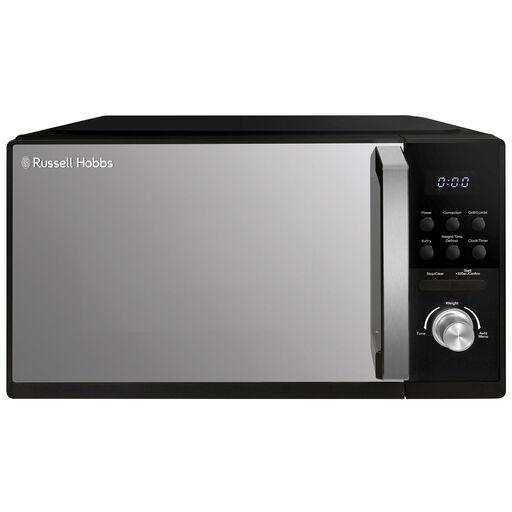 No image available
Consider this model if a shared kitchen will use several cooking functions as well as melt chocolate. Check the lower-power and short-timer controls against your usual melting routine, and confirm the placement requirements in its manual.
 No image available
This model suits a kitchen considering one appliance for microwave use and additional cooking modes. Confirm its external dimensions, cavity-cleaning requirements and short-burst microwave controls before choosing it for shared use.
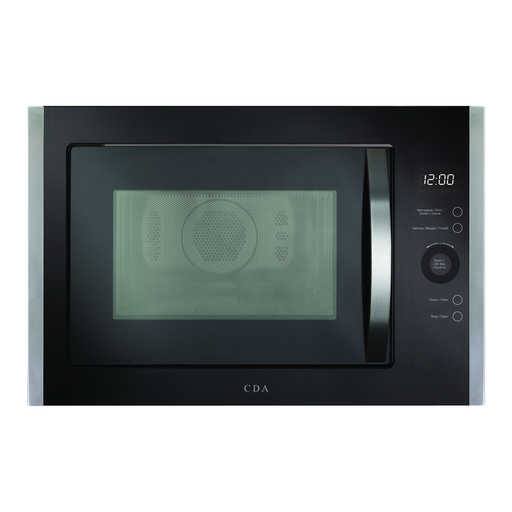 No image available
Consider this fitted-kitchen model if grilling and convection cooking will also be used. Check that its low-power and short-timer settings suit melting, and confirm cabinet fit, ventilation and accessory-cleaning arrangements before installation.
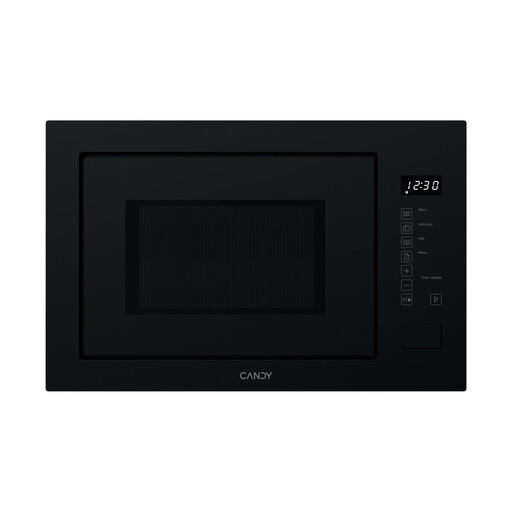 No image available
This is a fitted-kitchen option to consider when microwave and grill cooking meet the group’s needs. Do not assume it offers convection cooking; check the power and timer controls for melting, and confirm cabinet fit and professional installation requirements.
 No image available
Consider this convection model if the group also wants to use the appliance for cooking beyond chocolate melting. Confirm the selectable microwave settings and short-timer controls, then check the manual’s placement requirements and agree a cleaning routine.
Use microwave mode, heat in short bursts and stir after each burst. Good Food notes that chocolate can be molten while still holding its shape, so visible pieces alone are not a reason to keep heating it.
No; a conventional combination microwave with selectable power settings can be used with short bursts and frequent stirring. If melting is a regular task, compare the exact controls: Panasonic associates the inverter control on its NN-CT57RM with gentle melting, but that manufacturer claim does not establish how every inverter model performs.
No; clean the cavity, accessories and utensils after use, and agree who is responsible for shared equipment. Where the kitchen operates as a food business, the Food Standards Agency’s guidance calls for systems to prevent, control and detect contamination; a cavity coating is not a substitute for those measures.
Avoid putting a microwave and another power-hungry appliance such as a kettle on the same extension lead, as the London Fire Brigade advises. Check the kitchen’s socket arrangement and the exact microwave’s electrical instructions before installation.