Bread-first batch cooks
If you freeze sliced bread for sandwiches, toasties or other batches, focus on defrost controls and the ability to check slices during a cycle before weighing up additional cooking modes.


For batch cooking that starts with frozen sliced bread, choose a combination microwave with a documented defrost function, adjustable microwave power and controls that let you pause to check the slices. A flatbed cavity is worth considering if you regularly use rectangular dishes; grill, convection and air-fry modes matter when you will use them for other batch-cooking jobs, not because they establish better bread defrosting.
If you freeze sliced bread for sandwiches, toasties or other batches, focus on defrost controls and the ability to check slices during a cycle before weighing up additional cooking modes.
If one countertop appliance needs to defrost bread and handle occasional grilling or oven-style cooking, consider the functions you will use alongside the space the appliance and your usual dishes require.
If bread defrosting is one step in preparing larger meals, check whether the cavity and the grill, convection or air-fry functions suit the dishes you intend to make.
Check how you will defrost and inspect the bread first, then whether your cookware fits; consider extra cooking modes for the other meals you actually prepare.
| Concern | What to check | Who this matters to |
|---|---|---|
| Controllable defrosting | Look for a documented defrost function, adjustable microwave power and a straightforward way to pause and inspect the slices. | If I thaw several slices for a batch, I want to check them before the edges heat too far. Around 36% of consumers would put defrost control first. |
| Dish and worktop fit | Compare exterior and usable cavity dimensions with your space and dishes; on a turntable model, allow room for the dish to rotate. | A rectangular batch-cooking dish is no use to me if it cannot fit or rotate, even when the stated capacity sounds sufficient. Around 29% of consumers would make fit their primary concern. |
| Other cooking jobs | Check the exact model for the grill, convection, oven or air-fry modes you intend to use. | If I also brown or bake parts of a batch meal, those follow-on jobs influence which modes I need; around 21% of consumers would prioritise cooking versatility. |
| Everyday convenience | Check whether presets suit your food and whether any connected features require an app, account or Wi-Fi. | When I repeat the same cooking tasks, I value controls and presets that are easy to use, but I may not want connected setup. Convenience would come first for around 14% of consumers. |
A capacity figure does not tell you whether a rectangular dish fits or can rotate on a turntable.
Measure your worktop and most-used dish, then check the appliance’s exterior dimensions and internal layout.
Grill, convection, steam and air-fry functions vary by model; an additional mode does not itself improve bread defrosting.
List the other batch-cooking jobs you expect the appliance to do, then check the exact model’s modes and required accessories.
Metal and unsuitable containers can create a safety risk during microwave operation. Accessory rules may differ when using grill or convection modes.
Use containers approved for the selected mode and follow the appliance manual when changing functions.
A microwave used alongside other high-power appliances can place too much load on an extension lead.
Plan for a suitable wall socket, check the plug and socket condition, and follow the manufacturer’s installation and ventilation instructions.
Panasonic’s NN-DF38PBBPQ is a relevant example if a flatbed combination microwave appeals to you for dish placement.
Samsung’s MC32DG7646CKE3 is a 32L model aimed at cooking tasks beyond microwave defrosting.
The Russell Hobbs RHM2366B is a 23L freestanding combination model with microwave, grill and oven functions.
Toshiba’s MW3-AC26SF (MB) is a 26L air-fry combination model for shoppers who also want broader meal-preparation functions.
These combination microwaves cover countertop batch-cooking options and one built-in option. For bread-first use, compare each model’s defrost controls and dish fit before deciding whether its other cooking functions matter to you.
 Image unavailable
Consider this model if you want to defrost bread and also use grill or air-fry cooking; check the manual for the defrost controls you prefer.
The product name specifies 900W microwave output, a 1,000W grill, smart app control and 10 cooking presets. Check that your usual dish fits and can rotate.
 Image unavailable
This model may suit batches that involve defrosting followed by grilling, baking or air frying; check its manual for bread-defrost settings and pause controls.
Its product name lists 2400W, grill, bake, reheat and defrost functions. Confirm the cavity layout and exterior dimensions against your cookware and available space.
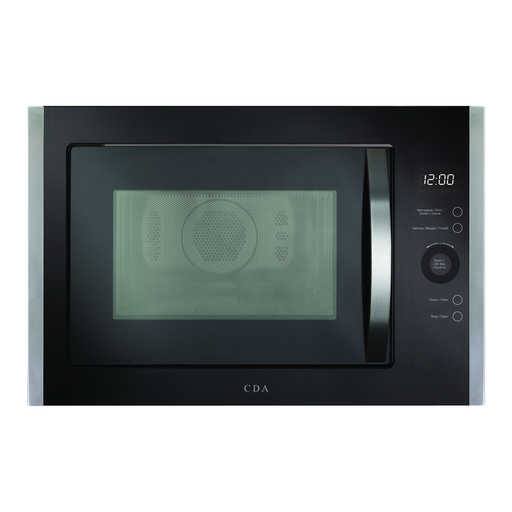 Image unavailable
Choose a built-in format only if you have suitable cabinetry; check installation and ventilation requirements before considering its cooking functions.
The product name specifies 900W microwave output, a grill and a convection oven. For sliced bread, confirm the available defrost and pause controls in the manual.
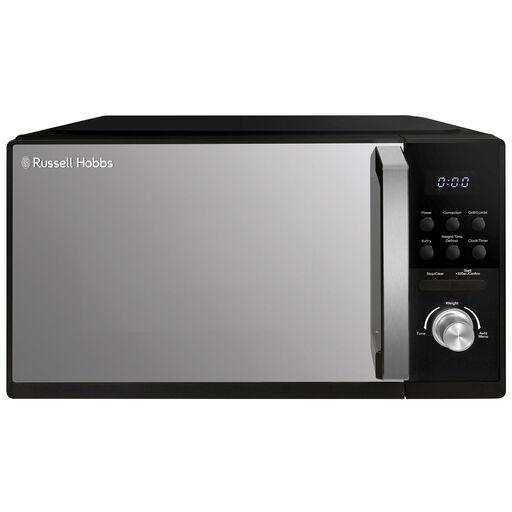 Image unavailable
Consider this model when oven-style cooking is part of the plan, but confirm its defrost function in the manual if thawing sliced bread is your main task.
Check that your usual batch-cooking dish fits and rotates freely on its turntable.
 Image unavailable
This model is relevant if you want convection cooking alongside bread defrosting; confirm its adjustable power and pause controls for the way you thaw slices.
The product name specifies 900W microwave output and a Smart Moisture Sensor. Check the internal dimensions and permitted turntable settings before using rectangular cookware.
Use the model’s documented defrost programme, if it has one, or an appropriate low-power setting with pauses to inspect the slices. Follow the manual for the food quantity and controls on your appliance; a programme is a starting setting, not a reason to leave thin slices unchecked.
No, but a bread programme can make the initial setting simpler. A documented defrost function, adjustable power and controls that are easy to pause are useful checks when bread is your main reason for buying.
Do not use metal or foil unless the appliance manual expressly permits it for the selected mode. Electrical Safety First warns that metal can reflect microwaves and spark; check accessory instructions again when switching between microwave, grill and convection functions.
Check that the appliance has a suitable fused UK three-pin plug and that you have an appropriate socket and installation space. Electrical Safety First advises caution with extension leads, particularly when other high-power appliances are connected; follow the model’s ventilation instructions too.
Clean the cavity and turntable, where fitted, according to the manufacturer’s instructions so crumbs, grease and splatters do not accumulate. Keep the manual for mode-specific cleaning and accessory rules, and check the plug and socket for signs of damage.