Frequent frozen-bread users
If you often take just a few slices from the freezer, low-power control matters more than a high maximum output. CDA's VK970BL manual specifically cautions against using too high a microwave power for bread.


For frozen sliced bread, look for documented defrost controls and selectable low microwave power rather than choosing by maximum wattage. CDA cautions against defrosting bread at too high a microwave power level. A combination model makes more sense if you will also use its grill or convection functions; otherwise, compare simpler microwaves with suitable defrost controls.
If you often take just a few slices from the freezer, low-power control matters more than a high maximum output. CDA's VK970BL manual specifically cautions against using too high a microwave power for bread.
If you also want to brown, bake or roast food, grill and convection functions give a combination microwave a purpose beyond defrosting bread. Which? describes these as functions combined with regular microwave cooking.
If you are planning cabinetry, decide between a built-in appliance and a freestanding one before comparing controls. The chosen model's dimensions and installation instructions will affect whether it fits.
Start with the defrost controls you would use for sliced bread. Then decide whether guided operation and additional cooking modes justify the space and controls they require.
| Concern | What to check | Who this matters to |
|---|---|---|
| Gentle defrost control | Look for an explicit defrost function and low selectable microwave power. Check the manual's instructions for the quantity of bread you normally use. | If I usually defrost only a few slices, I want control over the setting rather than relying on the appliance's maximum output. Around 42% of consumers put gentle defrost control first. |
| Simple everyday operation | Check whether defrost is set by time, weight or both, and whether any automatic programme covers your usual portions. | When several people use the microwave, I want settings we can follow without adjusting them from scratch each time. Guided operation is the primary concern for around 33% of consumers. |
| Other cooking and kitchen fit | Decide whether you will use grill or convection cooking; check external dimensions and, for a built-in model, its installation instructions. | If the appliance will also handle baking or browning, I need those functions to fit the space available. Around 25% of consumers prioritise extra cooking functions and kitchen fit. |
A high maximum output does not tell you which lower settings are available for bread. CDA warns against defrosting low-water foods such as bread at too high a microwave power level.
Check the exact model's manual for its defrost setting, selectable power levels and instructions for the amount you plan to defrost.
Manual settings, automatic defrost and food programmes offer different ways to operate an appliance; a preset's name alone does not establish that it suits a few loose slices.
Check whether the exact model uses time, weight or a food category for defrosting, and follow any instructions to check, turn or stand the food.
Grill and convection functions can serve other cooking tasks, but neither is needed merely to defrost bread.
If defrosting and reheating are your regular tasks, compare a simpler microwave with documented low-power defrost controls before choosing a combination model.
A built-in model needs to suit its intended cabinet and installation arrangements; a freestanding model needs usable worktop space.
Measure the proposed location and consult the exact appliance's installation documentation before choosing its format.
If the cabinet needs adapting, fitting a built-in model can involve additional installation work.
A reference point for freestanding combination microwaves with documented low-power defrost settings.
Relevant when comparing built-in microwave, grill and convection functions with automatic and manual defrost.
Relevant to a freestanding combination-microwave choice that includes defrost and convection cooking.
Relevant if you want to consider a larger combination microwave with guided cooking options.
These products cover countertop combination microwaves for broader cooking and built-in microwave-and-grill models with defrost options. If convection cooking is part of your reason for choosing a combination appliance, check each model's listed functions rather than assuming every built-in option includes it.
 No image available
Consider this countertop model if you want to compare guided defrost with other cooking modes. Check how its time- and weight-based defrost options handle a few slices of bread.
The product name specifies 900W microwave output, a 1000W grill and 10 cooking presets.
 No image available
This is a countertop option to consider if you also want grill, baking and air-fry functions. Before using it for sliced bread, check the exact defrost method and available low-power settings in its manual.
The product name identifies a 26L appliance and states 2400W; do not treat that figure as a recommended bread-defrost setting.
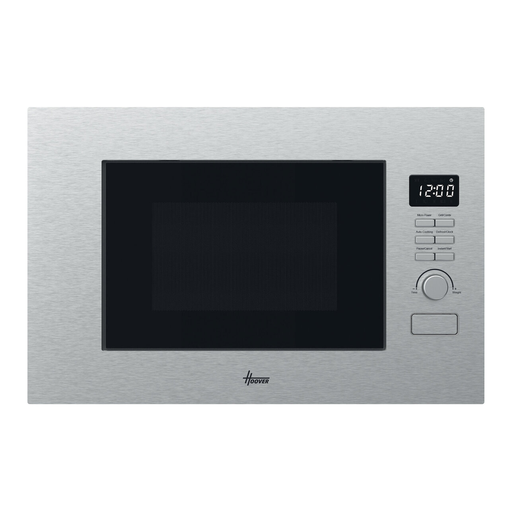 No image available
Consider this built-in microwave if time- or weight-based defrost and a grill suit your plans. Check the manual's bread guidance and the installation requirements for your cabinet.
Its product name specifies a 20L capacity. Do not choose it on the assumption that it includes convection cooking.
 No image available
Consider this model if you want convection cooking as well as defrosting. Check its selectable microwave settings and defrost instructions for bread; do not assume its moisture sensor controls defrosting.
The product name specifies 900W microwave output and convection cooking.
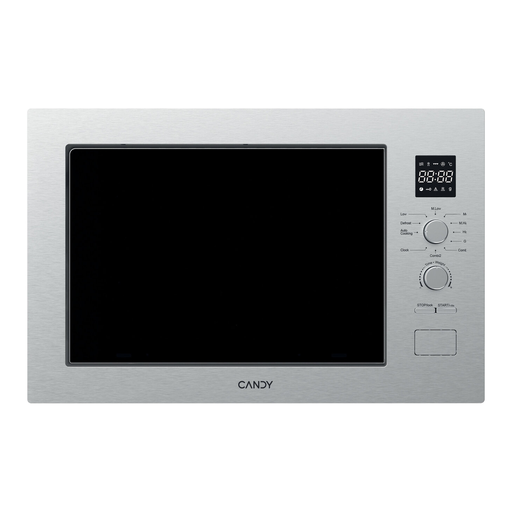 No image available
This built-in microwave is worth considering if you want an automatic defrost option and a grill. Check the manual's bread instructions and whether its power settings meet your needs; confirm cabinet and installation requirements before buying.
The product name identifies a grill, but does not establish a convection function.
Yes, if the model has suitable defrost controls and you follow its instructions. Smeg specifies 110–330W for defrosting on the MOE34CXIUK, while CDA's VK970BL manual warns against using too high a microwave power for bread; use the guidance for your own appliance and portion.
A higher maximum wattage does not establish a better setting for sliced bread. Check the lower selectable power levels and the exact model's defrost instructions instead of using its maximum output as the deciding specification.
Choose guided defrost if its programme covers the food category and quantity you normally use; manual control gives you a more direct way to set the process for a few slices. CDA lists both options for the VM452BL, but you should check any shortlisted model's programme instructions before relying on a preset.
Check the exact model's dimensions and installation instructions against the intended location. A freestanding model needs suitable worktop space, while a built-in model must match the planned cabinet and its specified installation and electrical arrangements.