Small-batch compote warmers
If you usually heat one or two portions, adjustable microwave power and a clear timer are more relevant to your main task than an oven-sized cavity. Consider how easily you can wipe away sweet splashes, too.


If you usually warm one or two portions of fruit compote, choose a combination microwave with adjustable microwave power and straightforward timing controls; grill and convection functions are not needed for warming alone. A larger cavity or more cooking modes make more sense if you will also use them for other dishes. Check that the appliance fits its intended worktop or cabinet space, and stir and check previously cooked compote when reheating it.
If you usually heat one or two portions, adjustable microwave power and a clear timer are more relevant to your main task than an oven-sized cavity. Consider how easily you can wipe away sweet splashes, too.
If compote is only one of the foods you prepare, grill and convection functions may also be useful for baking and other meals. Check that the cavity accommodates the dishes you routinely use.
If kitchen space determines your choice, establish whether you need a freestanding appliance or a built-in model before comparing cooking modes. Appliance dimensions alone do not establish that a built-in unit will fit a cabinet.
Start with the portion size and cooking tasks you expect to use regularly, then check the controls and installation format. A larger cavity does not, by itself, make warming a small bowl of compote easier.
| Concern | What to check | Who this matters to |
|---|---|---|
| Controlled warming | Selectable microwave power and a timer suited to short heating intervals. | If I mostly warm a small bowl, I want to adjust the heating and stir between intervals rather than rely on one long cycle. Around 42% of consumers put controlled small-batch warming first. |
| Other cooking modes | Whether you will use the grill, convection or combination modes beyond reheating. | I also bake or grill with the same appliance, so those modes need to earn their place alongside microwave warming. Roughly 33% of consumers make broader combination cooking their primary concern. |
| Space and fit | External dimensions, usable dish space and the requirements of the intended worktop or cabinet. | My available space or planned cabinet determines which format I can accommodate before I compare extra programmes. About 25% of consumers put space and installation fit first. |
A larger cavity can accommodate bigger dishes, but that space may do little for your usual small portion.
Measure the intended space and the largest dish you routinely use. If compote warming is the main task, compare the microwave controls before choosing by capacity.
GOV.UK food-hygiene guidance for businesses says reheated food should be steaming hot throughout and reheated only once.
When reheating previously cooked compote, stir it and check it throughout before serving rather than judging by the surface alone.
Microwaved food can have hotter pockets. NHS advice for baby food calls for stirring, checking the temperature and allowing heated food to cool before feeding.
Stir a baby's portion thoroughly and check its temperature before serving; do not reheat an already cooked portion more than once.
A reference for larger freestanding combination microwaves: Panasonic UK & Ireland specifies a 34-litre cavity, 1,000 W inverter microwave power, seven power levels, grill and convection functions for the NN-CD87.
A mid-size freestanding option for mixed cooking: Samsung UK identifies the MC28A5125AK/EU as a 28-litre convection microwave with microwave, grill and convection functions.
A reference for a smaller freestanding combi with manual settings: Sharp Consumer UK specifies a 25-litre cavity, 900 W microwave output, ten power levels, grill and convection functions for the YC-PC254AU-S.
A reference for integrated kitchens rather than a movable countertop combi: Bosch UK lists the Series 8 CMG7761B1B as a built-in compact oven with microwave function.
These choices include built-in models for planned kitchens and freestanding combination microwaves for worktop use. If compote is your main task, compare their microwave controls and required space before weighing up their additional cooking modes.
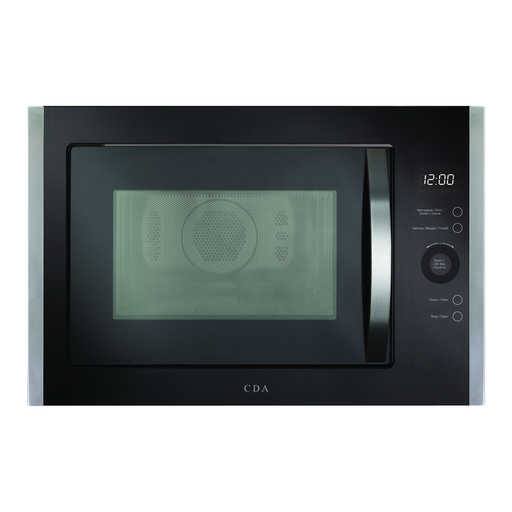 No image available
Consider this model if you are planning a built-in appliance for compote warming as well as grill and convection cooking. Its product name specifies a 25-litre cavity and 900 W; check the microwave power settings and full cabinet installation requirements before buying.
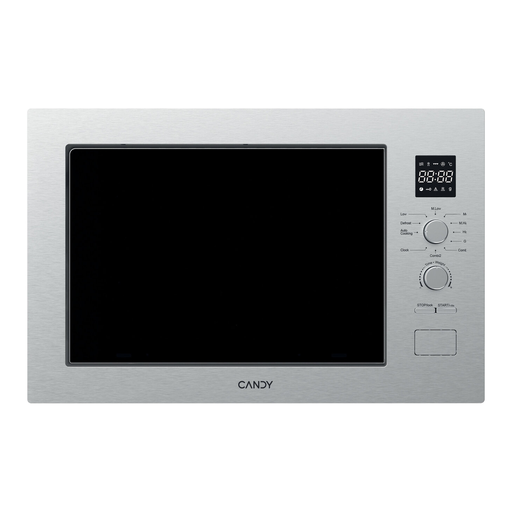 No image available
This built-in option suits a planned kitchen where you want microwave warming and grilling. Check the cabinet and ventilation requirements, and confirm the microwave output for the offered variant before comparing its power setting with other models.
 No image available
Consider this freestanding model if you want to warm small portions and also use its air-fry, grill or baking functions. The product name specifies a 26-litre capacity; check the appliance dimensions and required worktop clearances before choosing a position for it.
 No image available
This worktop model is worth comparing if you want compote warming alongside grill and air-fry cooking. Its product name specifies a 23-litre cavity and a 1,000 W grill; check the microwave controls, external dimensions and worktop clearances for your intended use.
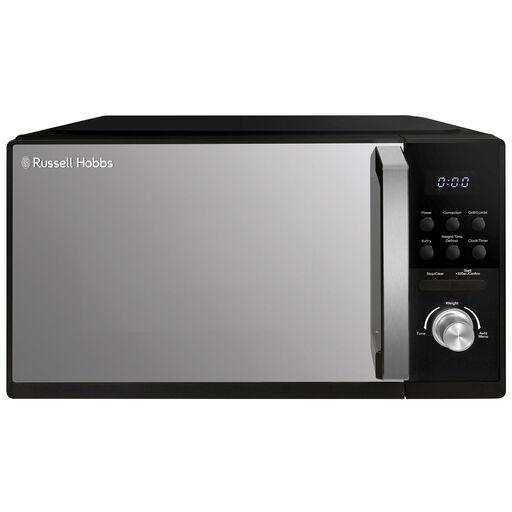 No image available
Consider this freestanding model if microwave warming will share duties with grill, convection and air-fry cooking. Its product name specifies a 25-litre cavity; if cleaning up compote splashes is a priority, check the cavity-care instructions rather than judging ease of cleaning from its finish alone.
No: microwave mode and controllable timing address the warming task. Convection or grill functions are worth considering if you will also use the appliance for baking, grilling or combination cooking.
Stir and check previously cooked compote so it is heated throughout before serving. GOV.UK food-hygiene guidance for businesses advises reheating food until steaming hot all the way through and reheating it only once.
Stir a microwaved portion thoroughly, check its temperature and allow it to cool before feeding. The NHS gives this advice because microwaved baby food can contain hotter pockets; it also advises reheating already cooked baby food only once.
Choose by the kitchen space and installation you can accommodate, not by cavity capacity alone. A freestanding model needs suitable worktop space and clearances; for a built-in model, check the specified cabinet housing and installation requirements as well as the appliance dimensions.