Occasional baker cooking for one
If your usual task is softening a small amount of butter, straightforward microwave power and timer controls matter more than a large cavity or extra cooking modes.


A combination microwave is worth considering for baking for one if you will also use its grill, convection or air-fry functions for meals; softening butter alone does not require those modes. For butter, prioritise selectable microwave power and an easy-to-set timer, then warm it cautiously in a microwave-safe container, checking frequently rather than relying on an automatic programme.
If your usual task is softening a small amount of butter, straightforward microwave power and timer controls matter more than a large cavity or extra cooking modes.
If you also want to grill, bake or crisp small meals, a combination model may take on tasks beyond reheating. Check which modes the exact appliance offers and whether its accessories fit the food you cook.
If adjustable power is a priority, compare the manual settings on the exact models you are considering. Inverter technology appears on some models, but it does not replace checking how you select a low setting and cooking time.
For baking for one, decide whether your main priority is controlling the butter-softening step, using several cooking modes or fitting your baking dishes. A combination microwave earns its worktop space only if its additional functions serve tasks you expect to do.
| Concern | What to check | Who this matters to |
|---|---|---|
| Softening without melting | Look for selectable lower microwave power and simple manual timing. Use a microwave-safe container and check the butter frequently. | If I mainly need pliable butter for a small recipe, I want to stop heating before it melts; around 45% of consumers put that control first. |
| Useful extra functions | Confirm the exact grill, convection or air-fry modes you would use, along with the accessories supplied. | I want one appliance to reheat food and handle other small meals, even if that means more controls and accessories; roughly 36% of consumers prioritise that multi-function use. |
| Dish and worktop fit | Compare your dish with the turntable, cavity height and door opening; check external dimensions and required ventilation space too. | For small-batch baking, I need my tin to fit without crowding the worktop; around 19% of consumers make cooking space their primary concern. |
Grill and convection modes add cooking options, but they do not by themselves give you better control over a small amount of butter.
If those modes would go unused, compare a simpler microwave with suitable manual power and timer controls before choosing a combination model.
Cavity volume does not establish the width, height or access your bakeware needs. The Hisense H23MOBS5HCUK has a stated 285 mm turntable, while the Panasonic NN-CD58RSBPQ has a 34 cm turntable.
Measure the bowl or tin you intend to use, then check the exact model’s turntable, cavity, door opening and installation clearances.
The Hisense H23MOBS5HCUK is in the product information as a four-in-one model; the Joybuy-listed H23MOBS5HUK is identified as a solo microwave. A shared brand and 23 L capacity do not make them the same appliance.
Match the complete model number and cooking functions when comparing listings.
These examples illustrate different combination-microwave configurations; features vary by model, so check the exact appliance rather than relying on the brand name.
The H23MOBS5HCUK illustrates a freestanding 23 L route with microwave, grill and air-fry functions.
The NN-CD58RSBPQ illustrates a 27 L inverter combination microwave with grill, convection and air-fry options.
The Combi Wave 3 in 1 represents a countertop option combining inverter microwave, convection oven and air-fry functions.
These choices include freestanding multi-function microwaves, a built-in model and a microwave with grill. If you need countertop convection baking or air frying as well as butter-softening, confirm those functions on the exact model; the built-in option requires a suitable installation space.
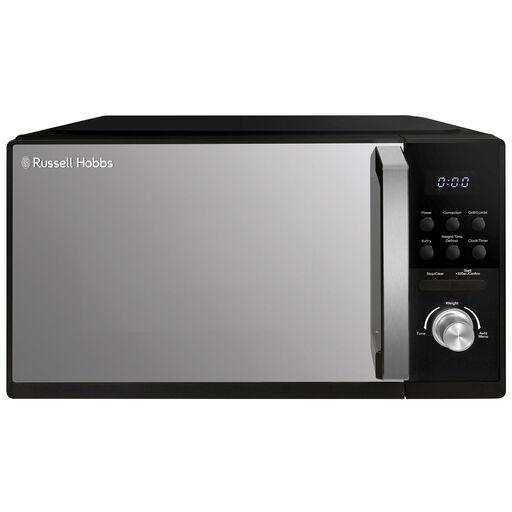 Image unavailable
Consider this freestanding model if you expect to use cooking functions beyond microwave heating. Check how its manual power and timer controls work for small quantities, and measure your baking dish and required ventilation space before choosing a position for it.
 Image unavailable
This 23 L four-in-one option is worth considering if you want air-fry cooking alongside microwave use. Its title specifies 900 W microwave power, a 1000 W grill, app control and 10 presets; for butter, check the manual power and timer settings rather than assuming a preset is suitable. Measure the worktop and allow for the required clearances.
 Image unavailable
Consider this model if its air-fry and baking options match the meals you intend to make. Confirm the exact cooking modes and supplied accessories if grilling or convection baking matters to you: the product title mentions a grill, but the described functions do not clearly establish a grill mode. Check its worktop fit and manual microwave controls too.
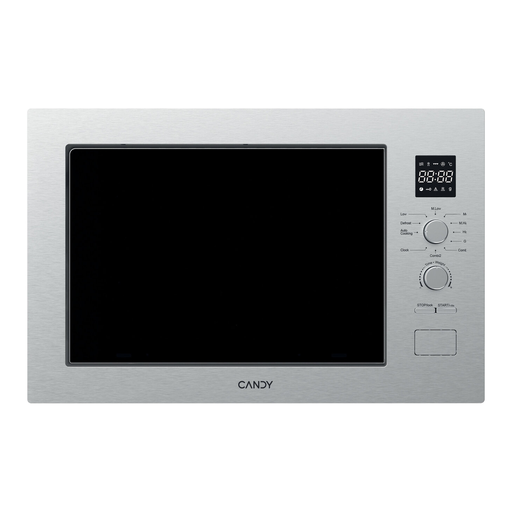 Image unavailable
This is a built-in choice for someone with a suitable cabinet and an installation plan, not a freestanding worktop alternative. The title identifies a grill; if oven-style convection baking is important, confirm the exact functions before ordering. Check its manual microwave settings for warming small quantities.
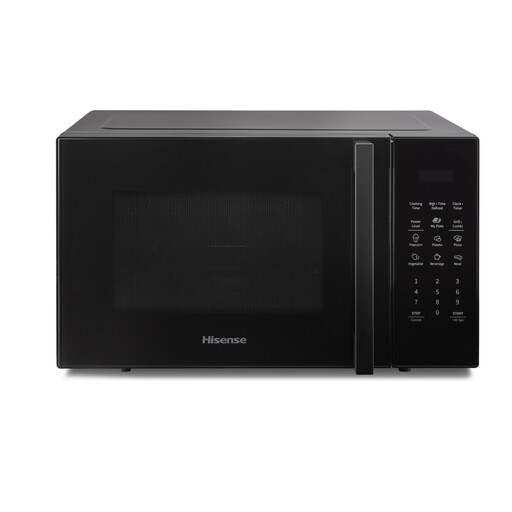 Image unavailable
Consider this model if microwave heating and grilling meet your needs and you have room for a 29 L appliance. Its title specifies 900 W microwave power. If you intend to bake with convection or air fry, confirm those modes on the exact model rather than treating a grill as equivalent.
No: for butter-softening alone, manual microwave power and timer controls are more relevant than grill or convection modes. Consider a combination model if you will also use its additional functions for small meals or baking.
Put it in a microwave-safe container, choose a lower manual power setting if available and warm it in short increments, checking until it is pliable. Panasonic advises lower power for gradual warming in its defrost guidance; the right stopping point for butter depends on the quantity, starting temperature, container and appliance.
Measure your worktop space and the largest bowl or baking tin you expect to use. Compare external dimensions, door opening, turntable and cavity height, then allow for the manufacturer’s ventilation requirements; a capacity figure in litres cannot establish dish fit on its own.
Check your local authority’s electrical-recycling arrangements and the retailer’s take-back information rather than putting the appliance in ordinary household waste. The UK Office for Product Safety and Standards explains that electrical and electronic equipment is covered by the UK waste electrical and electronic equipment framework.