Last-minute home bakers
If you need fridge-cold butter to become pliable for mixing without melting, look for manual power and time controls. Check the butter between brief heating intervals rather than relying on an automatic programme.


For softening butter, choose a combination microwave with selectable manual power settings and a timer you can control, rather than choosing by maximum wattage alone. Heat the butter briefly while you remain nearby and check its texture between intervals. In a small kitchen, measure the full installed space, including ventilation and room to open the door; convection and grill functions are worth considering if you will use them beyond butter preparation.
If you need fridge-cold butter to become pliable for mixing without melting, look for manual power and time controls. Check the butter between brief heating intervals rather than relying on an automatic programme.
If one appliance needs to cover microwave, grill and oven-style tasks, measure the available width and depth before comparing cavity capacities. Allow for the open door and the clearances specified by the manufacturer.
If you regularly bake, grill, reheat and defrost as well as occasionally soften butter, compare the cooking functions you will actually use. Check that your usual baking dishes fit the cavity.
Good Food describes butter ready for mixing as soft and creamy. Start with the controls that let you approach that texture cautiously, then check the installed footprint and whether the additional cooking functions justify the space.
| Concern | What to check | Who this matters to |
|---|---|---|
| Gentle butter softening | Compare selectable microwave power settings and timer controls; plan to check the butter between brief intervals. | If I need butter pliable for baking, I want to adjust the heat and stop before it melts. Roughly 42% of consumers put that manual control first. |
| Kitchen fit | Measure exterior width, depth and height, then allow for the open door and the manufacturer's ventilation requirements. | When counter space is tight, I need the whole appliance to fit safely, not just a cavity with enough capacity. Around 33% of consumers make physical fit their primary concern. |
| Functions beyond butter preparation | Confirm the cooking modes you intend to use and whether your usual baking dish and required accessories will fit. | If this appliance will also handle baking or grilling, I need those functions to suit the food and dishes I use. Approximately 25% of consumers prioritise that broader cooking role. |
Exterior measurements vary independently of capacity: The Panasonic NN-DF38PBBPQ is listed at 483mm wide, while Panasonic lists the NN-CT55JWBPQ at 520mm wide. Width alone still cannot establish whether either will fit your worktop.
Check the full dimensions in their stated order, then measure depth, door-opening room and the clearances required in the manual.
A cooking sensor does not judge whether butter has reached the texture you want for a recipe. Butter quantity, starting temperature and the dish used can also affect when you need to stop heating.
Use manual control where available, stay nearby and inspect the butter after short intervals while it still holds its shape.
Electrical Safety First warns that unsuitable containers and metal in microwave operation can present a fire risk. Combination appliances may have different rules for different cooking modes.
Use a container approved for the mode you have selected, follow the appliance manual's instructions on metal and foil, and remain present while heating.
Its relevant combination models include flatbed and turntable designs with different external dimensions and manual power settings.
The YC-PC254AU-S is a 25L countertop combination model for buyers comparing manual microwave control with convection cooking.
The MC28A5125AK/EU is a 28L convection model with a moisture sensor and an option to disable the turntable for suitable dishes.
These options include countertop combination microwaves and built-in microwave-and-grill models for kitchens with a suitable cabinet. Choose the installation format first, then check the controls and cooking functions that matter to you.
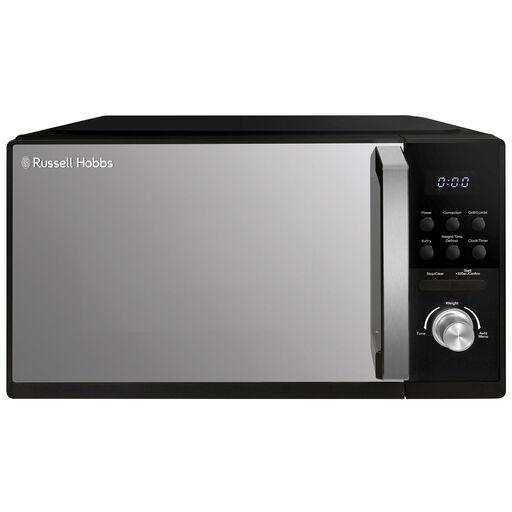 No image available
Consider this digital countertop model if you want one appliance for butter preparation and other cooking tasks. Check its manual power options and required ventilation space against your intended position.
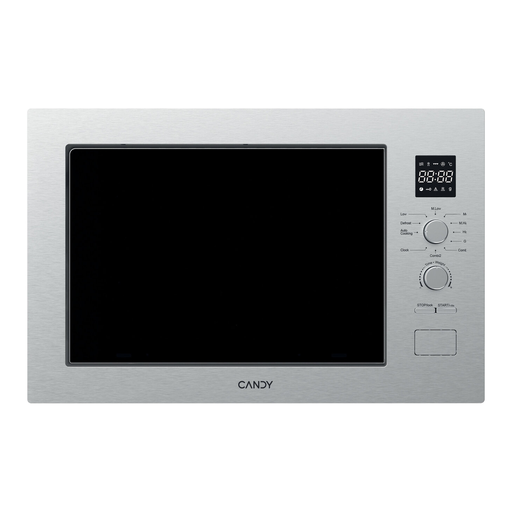 No image available
Consider a built-in model if you have a suitable cabinet and want to keep the worktop clear. Confirm the cabinet opening, ventilation and installation instructions; do not assume a microwave with grill also has convection cooking.
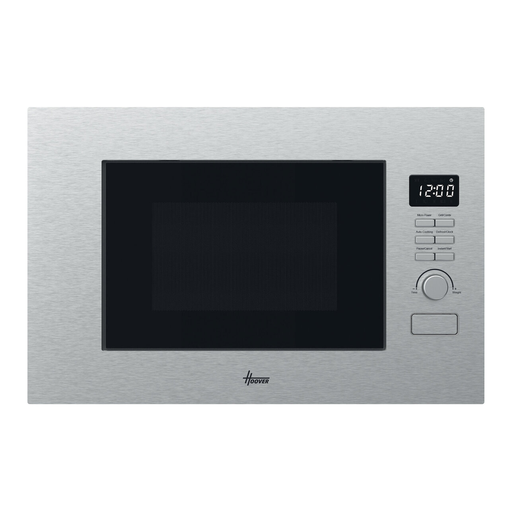 No image available
This built-in format may suit a kitchen where cabinet space matters more than worktop space. Check the manual power adjustments for butter softening and the specified cabinet ventilation before choosing it.
 No image available
Consider this model if you want countertop cooking functions beyond butter preparation. Its title specifies a 900W microwave, 1000W grill, app control and 10 cooking presets; for butter, check the manual power settings rather than relying on a preset. Measure the full exterior footprint before ordering.
 No image available
Consider this model if grill, bake and air-fry functions would serve cooking tasks beyond butter preparation. Check how its manual microwave controls work, whether its bake mode meets your needs, and its exterior dimensions and clearances.
No: selectable manual power and time controls matter more for approaching a soft texture cautiously. Heat the butter briefly while you remain nearby, check it between intervals and stop before it melts if your recipe calls for softened butter.
A simpler microwave may be more proportionate if butter preparation and reheating are your main uses. Consider a combination model when you will also use its grill or oven-style functions, and confirm that its installed footprint and your baking dishes fit.
Electrical Safety First advises against powering a microwave through an extension lead. Use a suitable wall socket, follow the manufacturer's instructions and check the plug and cable for damage before use.
Check the retailer's electrical-item take-back arrangements before ordering, or arrange an appropriate electrical-waste collection for the old appliance. The retailer can explain how its service applies to your purchase.