Existing iPad comic inkers
If you already draw on an iPad, start with its exact model and generation. That determines which Apple Pencil you can use before you compare pressure, tilt or tool controls.


Choose a pen that works with the tablet or computer you will use: an Apple Pencil for a compatible iPad, an S Pen for a compatible Galaxy Tab, or a Wacom pen tablet for a computer-based workflow. Beside a bright window, assess the screen and its position separately from the stylus; then compare the pen controls your drawing app can use.
If you already draw on an iPad, start with its exact model and generation. That determines which Apple Pencil you can use before you compare pressure, tilt or tool controls.
You need to see line edges and your brush cursor as well as control the pen. Consider the tablet’s display finish, brightness behaviour and position relative to the window alongside stylus compatibility.
If you ink in desktop software, a computer-connected pen tablet offers a separate drawing surface. Your monitor, rather than the pen tablet, determines how reflections affect the image you see.
Choose when: You want to ink directly on a compatible iPad screen.
Trade-off: Pencil compatibility depends on the precise iPad model, while window reflections remain a display consideration.
Choose when: You want a compatible Samsung tablet-and-pen setup for drawing on screen.
Trade-off: Check the exact tablet’s display specifications and whether its S Pen is included; these details vary by model.
Choose when: You work at a computer and prefer a separate pen surface with physical shortcut controls.
Trade-off: It is not a standalone drawing screen; you need a compatible computer and a monitor you can see clearly.
For comic inking beside a bright window, settle device compatibility first, then judge screen visibility and the controls you need for your line work.
| Concern | What to check | Who this matters to |
|---|---|---|
| Device and pen compatibility | Check the exact tablet model and generation against the pen maker’s compatibility list; confirm its pairing and charging method. | If I already own a tablet, a pen that cannot work with it would stop me inking altogether. Around 42% of consumers put exact compatibility first. |
| Screen visibility | Check the display finish and the conditions attached to any brightness specification. If possible, view the exact screen in lighting like your workspace. | When daylight falls across my page, I need to see line edges without relying on a pen change to remove reflections. For around 33% of consumers, visibility is the primary concern. |
| Line and tool control | Confirm pressure and tilt support on the exact pen, then check whether your drawing app uses any hover or shortcut controls you want. | I want to vary line weight and switch tools without disrupting a careful stroke. Those inking controls come first for around 25% of consumers. |
Apple Pencil features and basic compatibility depend on the iPad model; S Pen compatibility also depends on the Galaxy Tab and pen model.
Find your tablet’s exact model and generation before checking the maker’s current pen compatibility list.
A pen changes how you make marks, not how the display handles reflections. Apple describes nano-texture glass as an option for bright-light workspaces, while Samsung specifies up to 800 nits in High Brightness Mode outdoors for the Galaxy Tab S10 FE+; neither statement establishes how every screen will look beside your window.
Check the exact display configuration and try a workable screen angle before relying on a stylus change.
Apple’s iPad Pro nano-texture glass option is available only with 1TB or 2TB configurations, so choosing that finish also constrains the tablet configuration.
Wacom specifies 8,192 pressure levels for the Intuos Pro’s Pro Pen 3, but that number alone cannot establish how its strokes compare with a pen in another tablet ecosystem.
Choose the device and software workflow first, then assess the pen controls and settings you will use for inking.
Wacom categorises pen tablets as input devices for a computer. With an Intuos Pro, you draw on the tablet surface while viewing the result on a separate monitor.
If drawing directly on a screen matters to you, compare compatible iPad and Galaxy Tab setups instead; if you prefer a desktop workflow, check your computer and monitor setup.
Apple Pencil models provide a route for inking directly on a compatible iPad.
A compatible Galaxy Tab and S Pen provide another direct-on-screen drawing setup.
The Intuos Pro is a pen-input route for artists who ink using a computer and separate monitor.
These pencils are options for drawing directly on a compatible iPad. Choose by your exact iPad model and the controls you need; for window-side inking, assess that iPad’s screen separately.
 No image available
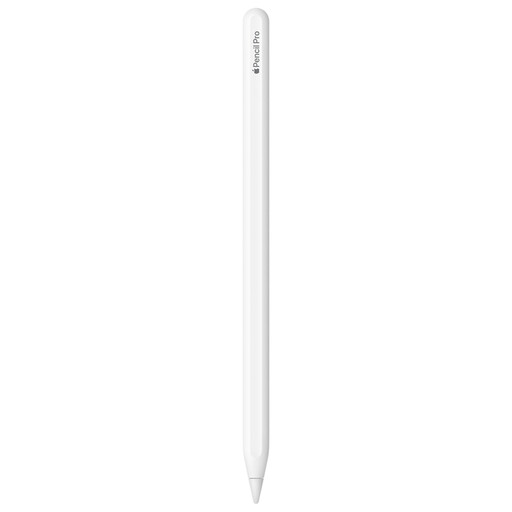
Consider this for inking on a compatible iPad if pressure, tilt and quick access to drawing controls matter to you.
Apple describes hover, squeeze and barrel-roll controls for Pencil Pro. Check your exact iPad model and whether your drawing app supports the interactions you want.
 No image available
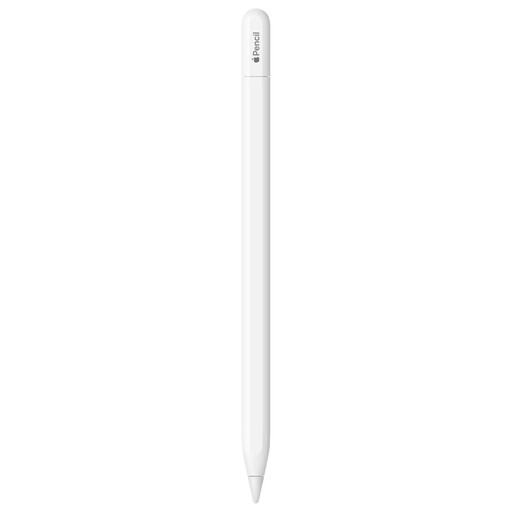
Consider this for drawing on a compatible iPad if tilt sensitivity and a USB-C charging routine suit your work.
Apple states that it pairs and charges through a USB-C Charge Cable. Confirm compatibility with your exact iPad, and check the pen features your inking app requires.
 No image available
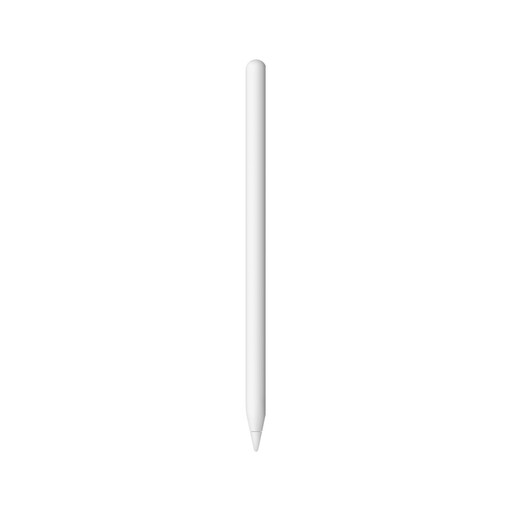
Consider this generation if you ink on an iPad listed as compatible with it and want a direct-on-screen drawing setup.
Before choosing it, check the exact iPad model and generation, along with any tool-switching or hover features you expect to use in your app.
Choose the stylus first only if you have settled on an exact compatible tablet model. Apple Pencil Pro, for instance, works with specified iPads rather than every iPad; check the manufacturer’s model list before ordering.
A different stylus will not change the screen’s reflections or brightness. Check the exact tablet’s display finish, brightness conditions and position in your workspace; Apple’s nano-texture option and Samsung’s High Brightness Mode specifications concern particular tablet configurations, not the pens alone.
Apple Pencil Pro charges magnetically on a compatible iPad, while Apple Pencil (USB-C) pairs and charges through a USB-C Charge Cable. Apple says the USB-C model can also attach magnetically to the iPad for storage; check which Pencil works with your iPad before comparing charging routines.