For one narrator using a close, compatible lavalier microphone, a compact recorder with a 3.5 mm microphone input is a straightforward choice. Choose XLR/TRS inputs if the recording plan calls for a compatible professional microphone, a venue mixer feed or separate narration and ambience tracks. In a reverberant hall, putting the microphone close to the voice and checking the sound matters more than relying on built-in microphones across the room.
Who is recording?
Solo narrator using a close microphone
If you can place a compatible lavalier near your mouth, focus on a suitable microphone input, a way to check the sound and a setup you can operate alone. Zoom Corporation specifies a lavalier-capable 3.5 mm input on the H1essential; the microphone's position still needs checking in the hall.
Crew capturing narration and room sound separately
If you need a close voice microphone alongside ambience or a compatible mixer feed, check the number of inputs and independently recorded tracks. Zoom Corporation specifies two XLR/TRS inputs and four tracks for the H4essential.
Operator positioned away from the narrator
If the recorder needs to stay near the speaker while you operate from elsewhere, check how it can be positioned, controlled and monitored. Roland describes remote control and wireless listening for the R-07; neither feature replaces close microphone placement.
What matters when choosing?
Choose the microphone position and connection first, then decide whether you need separate tracks or hands-off operation. A recording mode cannot compensate for a microphone placed too far from the narrator.
Compact recorder with a close lavalier
Choose when: One narrator can wear a compatible 3.5 mm microphone close to the voice.
Trade-off: Check the microphone's power and connector requirements; a 3.5 mm socket is not a substitute for every XLR microphone or mixer connection.
Recorder with built-in microphones
Choose when: You can position the recorder close to the narrator or want a separate recording of the hall's ambience.
Trade-off: At a distance, the microphones also capture more reflected speech and surrounding sound.
Multi-track recorder with XLR/TRS inputs
Choose when: Your plan requires a compatible XLR microphone, a venue feed or separate voice and ambience tracks.
Trade-off: More connections mean more cable, input-level and microphone-power checks before the take.
| Concern |
What to check when buying |
Who this matters to |
| Clear speech in a reverberant hall |
Check microphone-input compatibility and how you will place and monitor a microphone close to the narrator. |
I need the narration to remain understandable rather than letting the hall's reflections dominate. Around 36% of consumers put speech clarity first. |
| A dependable solo take |
Check the recording controls and format, monitoring method, working storage media and power for the session. |
If I am recording alone, I need to start and check the take without missing speech or running out of power. For roughly 29% of consumers, dependable solo operation is the primary concern. |
| Microphone and venue-feed connections |
Match the required sockets, input levels and microphone power; check track count if sources must be recorded separately. |
I need my planned microphone or venue feed to connect correctly, with a separate track where the recording calls for one. About 21% of consumers chiefly need this connection flexibility. |
| Hands-off operation |
Check mounting and remote-control options, then confirm how you will monitor the recorder in position. |
When I must work away from the narrator, I want to avoid touching or moving the recorder during a take. Hands-off operation comes first for around 14% of consumers. |
Mistakes to avoid
-
Placing built-in microphones across the hall
Shure explains that a microphone cannot effectively separate wanted speech from room reverberation. A recorder with different built-in microphones will not, by itself, resolve excessive distance from the narrator.
Position a compatible lavalier or stand-mounted microphone close to the voice, listen on headphones and make a short recording in the actual room.
Plan for a close microphone or mounting accessory if the recorder cannot be positioned suitably on its own.
-
Expecting 32-bit float to prevent every failed take
According to Zoom Corporation and Tascam, the cited recorders offer 32-bit-float recording to ease level setting. That recording format does not correct echo, an unsuitable connection, depleted power or unavailable storage.
Test the microphone, recording controls, media and monitoring together before the narration begins.
Check what media and power to bring: Tascam's DR-07XP manual lists its microSD card and batteries as sold separately.
-
Choosing a 3.5 mm socket for an incompatible source
A microphone requiring phantom power or a venue output requiring a particular input level needs more than a connector that happens to fit. Zoom Corporation specifies XLR/TRS inputs with phantom power on the H4essential, while Tascam describes a plug-in-power stereo mini-jack on the DR-07XP.
Ask for the exact microphone and venue-output specifications before choosing the recorder or any connecting accessories.
-
Assuming access to the hall settles recording permissions
An identifiable person's recorded voice can be personal data. The Information Commissioner's Office advises organisations to assess the purpose and lawful basis for processing and the privacy information people should receive; permission to use a venue does not settle those questions.
Agree the recording arrangements with the organiser, consider who may be audible and establish the intended use, retention and publication plan before the session.
Relevant brands for reference
Zoom
Zoom's cited handheld models cover a compact lavalier-input setup and a recorder for multiple wired sources.
- Zoom Corporation specifies a 3.5 mm mic/line input on the H1essential and four tracks, two XLR/TRS inputs and phantom power on the H4essential.
- Those input options do not remove the need to put the narration microphone close to the speaker in a reverberant hall.
Tascam
The cited DR-07XP is a handheld stereo recorder with built-in microphones and an external-microphone option.
- Tascam specifies adjustable A-B/X-Y microphones, 32-bit-float recording, low-cut filtering and a plug-in-power stereo mini-jack.
- Confirm that the intended microphone suits its mini-jack input; the cited XLR/TRS inputs belong to the Zoom H4essential, not the DR-07XP.
Roland
The cited R-07 focuses on operation when a compact recorder must remain in position during a take.
- Roland describes scene memories, remote control and wireless listening for the R-07.
- Remote operation can reduce the need to handle the recorder, but it cannot correct a microphone placed too far from the narrator.
Joybuy products for close narration
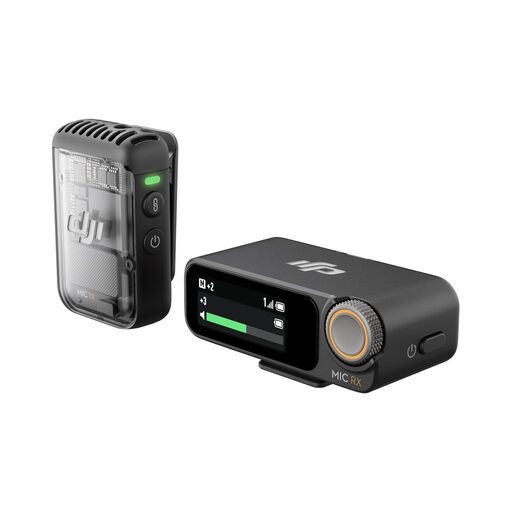
This wireless microphone set is relevant if you plan to capture one narrator's voice close to the speaker. Check its recording and monitoring workflow before treating it as a replacement for a handheld recorder.
 No image available
DJI Mic 2 (1 TX + 1 RX) wireless microphone
Consider this set when a microphone can be positioned close to a single narrator rather than relying on pickup from across the hall.
The product title specifies one transmitter, one receiver and 32-bit-float recording. Before using it as a standalone recording setup, confirm how audio is saved and transferred, and how you will monitor the take in the hall.
View on Joybuy
Questions about recording in a hall
Will better built-in microphones solve the hall's echo?
No recorder microphone can simply separate the narrator's voice from the hall's reflections. Shure recommends assessing microphone position and distance; place the microphone close to the narrator and listen to a short test recording in the room.
Should I choose a 3.5 mm input or XLR/TRS inputs?
Choose a 3.5 mm input for a compatible close lavalier or small microphone; choose XLR/TRS inputs when your microphone, mixer feed or separate-track plan requires them. Confirm connector, input-level and microphone-power requirements for the exact equipment before buying.
Can I skip the sound check with 32-bit-float recording?
No. Although 32-bit float can ease level setting on the cited Zoom and Tascam recorders, it does not fix microphone distance, room sound, incompatible connections or power and storage problems. Test the complete setup in the hall.
Do I need consent to record voices in a UK community hall?
Consent is not automatically the required lawful basis for every organisational recording, but identifiable voices can be personal data. The Information Commissioner's Office says organisations should assess the appropriate lawful basis and provide relevant privacy information. Settle the recording purpose, who may be audible and the intended publication plan with the organiser before recording; seek specialist advice if the circumstances are unclear.


