Organisers of repeated craft activities
If you prepare photographs regularly for displays, collages or take-home projects, consider refillable supplies, the required print sizes and how much paper the printer can hold.


Choose a compact photo printer when classroom crafts mainly use small photographs or stickers and prints need to be handled soon after printing. Choose a refillable A4 photo printer when projects regularly need larger images or a wider range of supported paper, but check the exact media limits, available desk space and the school’s approved process for pupil photographs.
If you prepare photographs regularly for displays, collages or take-home projects, consider refillable supplies, the required print sizes and how much paper the printer can hold.
If activities use small photographs or stickers that need handling soon after printing, a compact printer may suit the work surface better than an A4 machine. Check its supported media and connection method.
If lessons combine photographs with A4 work, scanning, copying or varied paper, look at the exact model’s formats and feed paths rather than relying on the photo-printer label alone.
Start with the finished size of the craft photographs: a postcard-only printer cannot make an A4 display. Then weigh repeat printing and paper compatibility against the space available in the classroom.
Choose it when: Projects mainly need postcard photographs or small stickers that can be handled promptly.
Trade-off: Canon’s SELPHY CP1500 uses compatible paper-and-cartridge supplies, and its listed formats do not include A4.
Choose it when: A4 photographs, repeated printing or supported mixed-media work are central to the projects.
Trade-off: Check the model’s footprint and permitted media; a photo-printer designation does not establish compatibility with every craft material.
| Concern | What to check | Who this matters to |
|---|---|---|
| Repeated photo projects | Compare supplies and stated yields only for the same print size and conditions; check paper-loading capacity. | When I prepare photographs for recurring class activities, I need a supply arrangement that suits repeated printing. Around 50% of consumers put this need first. |
| Small prints and limited space | Confirm finished print sizes, compatible paper or cartridges, connection method and available work-surface space. | For a craft session built around small photographs or stickers, I want prints I can handle promptly without taking over the desk. Around 20% of consumers prioritise this need. |
| A4 and varied media | Check borderless sizes, supported paper types and weights, and the feed route for the intended material. | If projects include A4 displays or different supported papers, I need the printer to accommodate those formats. This is the primary need for around 30% of consumers. |
Canon lists postcard, card and sticker media for the SELPHY CP1500, but not A4. A small-format printer cannot cover a project that requires full A4 photographs.
List the finished sizes needed across your planned activities and check them against the exact printer’s supported formats.
Larger displays may require a separate A4 printer or an external printing service.
Manufacturer photo-yield figures apply to particular models and conditions; the number of classroom prints can vary with the images and printing setup.
When comparing refillable models, check that their yield claims use comparable photo sizes and account for the paper and replacement supplies the activities require.
Supported paper types, weights and feed paths differ by printer. Being able to print photographs does not establish that a model accepts a particular card or speciality material.
Check the exact material against the model’s specifications and follow the school’s equipment procedure before using it.
Incompatible material can mean wasted sheets or avoidable printer maintenance.
Pupil photographs can be personal data. The Department for Education’s school guidance addresses taking and using photographs and videos; a convenient printer app does not replace the school’s procedures.
Use the school-approved device, account, sharing method and retention process when preparing images for printing.
Canon offers two distinct routes relevant to these projects: compact SELPHY printers for small prints and PIXMA MegaTank photo models for refillable A4 work.
Epson’s EcoTank ET-8500 is relevant when a classroom needs refillable A4 photo output alongside different paper-handling options.
HP Smart Tank models provide a refillable multifunction route for classrooms that also print ordinary colour documents.
These printers cover different classroom tasks, from small craft photographs to work that may require a larger print format. Match each model’s documented media options and printing workflow to the project before choosing.
 No image available
Consider this model for recurring photo projects if its supported formats match the finished crafts. Check the exact paper types, feed paths and space needed on the classroom work surface before ordering.
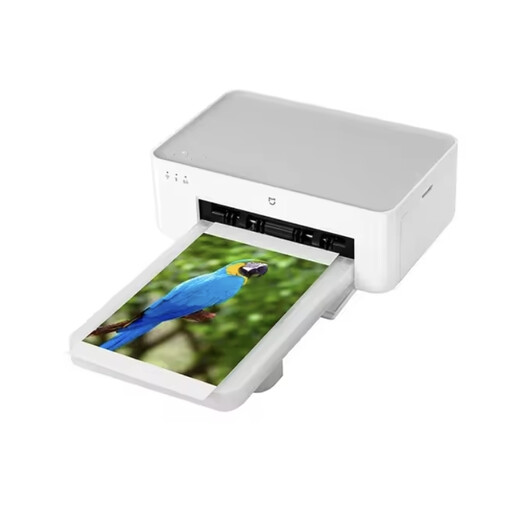 No image available
Consider it for small craft photographs rather than assuming it can cover larger displays. Check compatible paper for repeated activities and whether the required app fits the school-approved pupil-photo workflow.
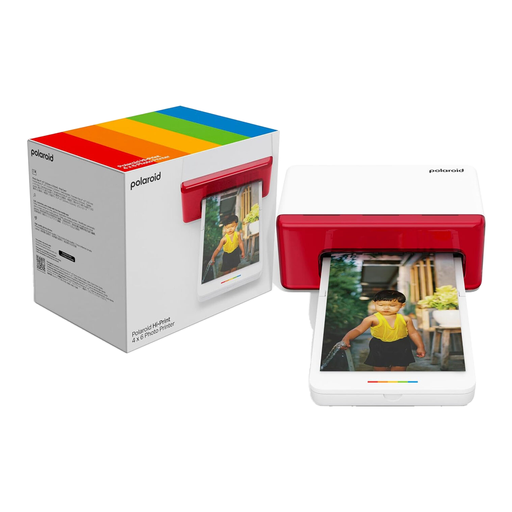 No image available
Its named 4x6 format suits projects planned around that print size. Check that the dedicated paper cartridges will be available for recurring sessions and that phone-based printing follows the school’s approved process.
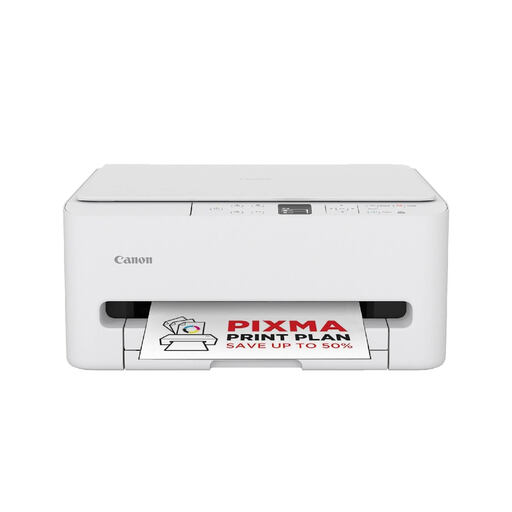 No image available
For projects that combine photographs with classroom paperwork, check whether this model’s precise photo-paper sizes, weights and borderless options meet the craft brief. Its cartridge-based supply arrangement also merits consideration for frequent printing.
No. Canon lists 100 × 148 mm postcard paper and smaller card and sticker formats for the SELPHY CP1500, but not A4. For A4 classroom displays, choose a model whose specifications explicitly include the required A4 photo format.
No; use material supported by the exact model and its feed route. Canon, for example, lists particular paper types and a maximum photo-paper weight of approximately 275 g/m² for the PIXMA G650. Check both the material and the printer specification before feeding a batch.
Use the school’s approved process for handling pupil images before sending them to an app or shared printer. The Department for Education’s school data-protection guidance covers taking and using photos and videos; check the school’s arrangements for accounts, access, sharing and retention.
Follow the school’s approved route for disposing of electrical equipment and address any stored personal data before transfer. The UK Office for Product Safety and Standards identifies the Waste Electrical and Electronic Equipment Regulations 2013, as amended, as the legislation underpinning electrical-equipment recovery and recycling arrangements.