Who might use a compact camera?
A separate camera makes most sense when a particular kind of holiday photo or video matters enough to justify carrying it.
Sightseers who need optical reach
If distant buildings, wildlife, viewpoints or performances feature repeatedly in your plans, compare a travel zoom’s optical range with that of your actual phone. Panasonic’s LUMIX TZ99 and Sony’s RX100 VII illustrate different zoom ranges, but either camera still means another device to carry.
Travellers who want more photographic control
Which? describes compact cameras as a way to gain control over a shot without carrying a larger interchangeable-lens camera. A short-zoom compact or a fixed-lens camera may appeal if you expect to use its lens and controls deliberately, rather than simply wanting a second automatic camera.
Holiday video and selfie creators
A moving screen, microphone input and workable charging and transfer routine can matter when you plan to record yourself or make narrated clips. Check the particular model: Canon specifies a microphone input for the PowerShot G7 X Mark III, while Panasonic lists a tilting screen and Bluetooth transfer for the TZ99.
What matters when choosing?
Start with the shots your current phone struggles to cover, then decide whether a compact camera’s controls or video tools justify its carrying and charging demands. In the table, each percentage refers to consumers who put that need first when weighing a holiday compact against their phone.
| Concern |
What to check |
Who this matters to |
| Optical reach |
Compare optical, not digital, zoom using the 35mm-equivalent focal-length range. Check whether the long end fits the subjects on your itinerary. |
I want to frame distant buildings or wildlife without depending on a digital crop. Around 33% of consumers put optical reach first. |
| Photographic control |
Compare the exact model’s lens, sensor format, exposure controls and stated stabilisation; decide whether a fixed view or shorter zoom suits your subjects. |
I would use the camera’s controls to make more deliberate holiday stills, even if that means giving up zoom flexibility. For around 33% of consumers, that image-making control comes first. |
| Video and self-framing |
Check recording modes, screen movement, microphone input, file transfer and charging on the model you intend to buy. |
I plan to record myself or add spoken audio, so the filming setup has to work away from home. Video tools are the leading need for around 17% of consumers. |
| Carrying less |
Review your phone’s actual camera range, video options, available storage and battery condition before adding another device. |
My phone covers the scenes I expect, and I would rather not manage another camera and its files. Around 17% of consumers would put that lighter routine first. |
Relevant compact-camera brands to consider
These model lines illustrate different ways to use a compact camera on holiday; a brand’s inclusion does not establish the availability of any particular model.
Panasonic
The LUMIX TZ line is a travel-zoom option for people who expect to photograph distant subjects with a fixed-lens camera.
- Panasonic specifies a 24–720mm-equivalent, 30x optical zoom, 4K 30p recording and USB-C charging for the TZ99.
- Panasonic says its direct-sale TZ99 package includes neither a USB cable nor an AC adapter; check the bundle offered by your chosen seller.
Sony
The RX100 VII is a compact option for varied sightseeing and moving subjects when a broad zoom matters more than maximum travel-zoom reach.
- Sony specifies a 1.0-type sensor, 24–200mm-equivalent 8x optical zoom and subject-tracking features for the RX100 VII.
- Its specified zoom ends at 200mm equivalent, rather than the 720mm equivalent Panasonic lists for the TZ99; assess how much distant-subject reach your trip calls for.
Canon
The PowerShot G7 X Mark III is a short-zoom compact route for travellers interested in holiday clips and recorded speech as well as stills.
- Canon specifies 4K movies, a 3.5mm microphone input, a tilt-up screen and USB charging for this model.
- Its specified 4.2x zoom calls for a different framing plan from a long travel zoom; confirm current availability with the seller you intend to use.
Fujifilm
The X100VI is a photo-led choice for travellers who prefer a fixed 35mm-equivalent field of view and direct exposure controls.
- Fujifilm specifies an APS-C 40.2-megapixel sensor, a fixed 23mm f/2 lens and five-axis stabilisation for the X100VI.
- The fixed lens cannot zoom to frame a distant subject; choose its perspective only if it fits the way you want to photograph the trip.
Joybuy compact-camera options
These Joybuy listings focus on compact cameras for holiday stills or video, including a self-framing video option and portable point-and-shoot models. If optical reach is your main reason to carry a camera, check the actual optical range before treating a zoom figure in a listing as sufficient.
 No image available
Sony ZV-1F 1-Inch Compact Vlog Camera
Consider this model if self-framed holiday video is a priority. Its listing identifies an ultra-wide lens and a 1-inch sensor.
Confirm the lens configuration with the seller before ordering: the camera descriptions conflict on whether the lens is fixed or uses a Sony E mount. Check its framing against your planned scenes rather than assuming optical zoom reach.
View on Joybuy
 No image available
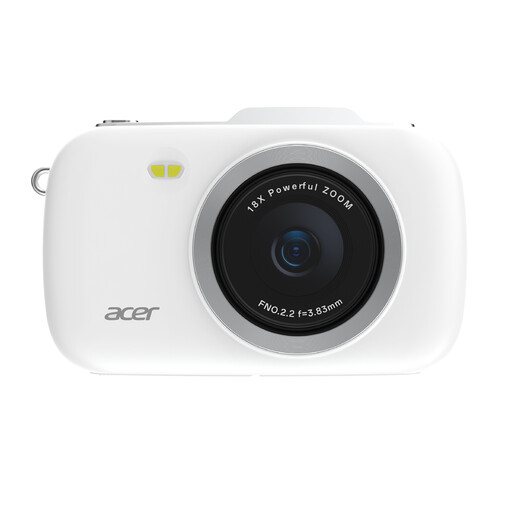
KOMERY G7-A 4K Digital Camera, White
This point-and-shoot listing may suit travellers looking for a separate camera for casual stills and video. It advertises an 18x zoom, but that figure combines optical and digital zoom rather than giving a usable optical focal-length range.
If distant subjects matter, confirm the optical range. The listing describes the SD card as sold separately, so check the required card and the charging items in the seller’s bundle.
View on Joybuy
 No image available
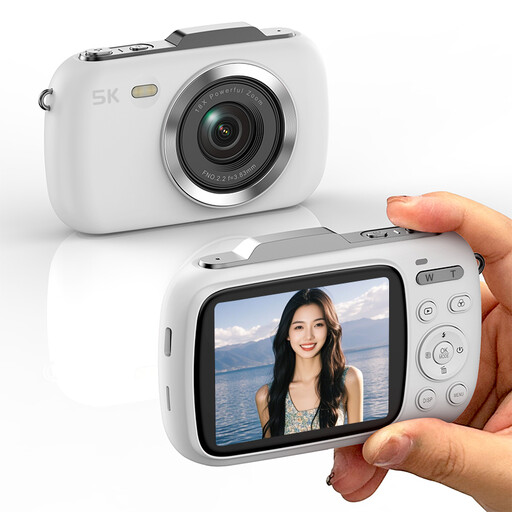
KOMERY G7 5K Digital Camera, White
This portable point-and-shoot listing is aimed at casual holiday photography and video. Its advertised 18x figure is digital zoom, so do not use it as a measure of optical reach.
Confirm the exact video modes and screen for this G7 variant before choosing it for filming or self-framing.
View on Joybuy
 No image available
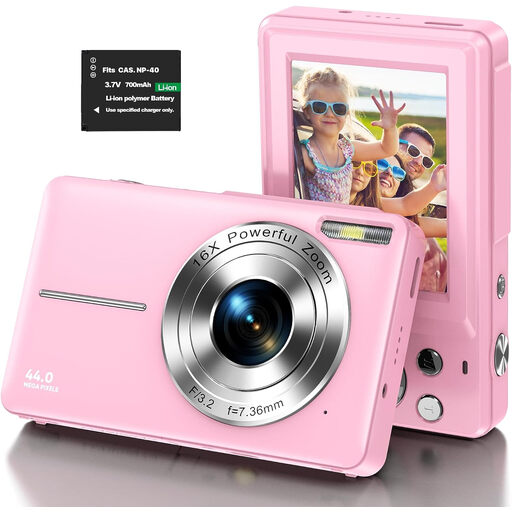
Songdian Pocket Camera 4K 64MP, Pink
This pocket-camera listing is directed at simple holiday photos and video. Its advertised 16x zoom does not establish an optical focal-length range, so confirm that range if you plan to photograph distant scenes.
Check the exact photo and video settings for this variant. The bundle information conflicts over whether a memory card is included, making that worth confirming before travel.
View on Joybuy
Frequently asked questions
Is a compact camera worth taking if I already have a phone?
It is worth considering when you expect to use optical reach, dedicated controls or video features your actual phone cannot provide for the trip. Which? describes greater control without the bulk of a larger camera as a reason to consider a compact; weigh that against carrying and charging a second device.
Which zoom figure matters for distant holiday subjects?
Look at optical zoom and the 35mm-equivalent focal-length range, not a digital zoom figure alone. Panasonic specifies 24–720mm equivalent for the LUMIX TZ99, while Sony specifies 24–200mm equivalent for the RX100 VII; decide which range fits the distant subjects you expect to photograph.
What should I check for holiday video?
Check the exact camera’s recording modes, screen movement, microphone input, charging and file-transfer method against the clips you plan to make. Canon specifies a microphone input and tilt-up screen for the PowerShot G7 X Mark III; Panasonic specifies 4K 30p and a tilting screen for the TZ99.
Will a USB-charging camera come with a cable and adapter?
Not necessarily: Panasonic says its UK direct-sale LUMIX TZ99 package has USB-C charging but includes neither a USB cable nor an AC adapter. Check the contents of the exact seller bundle and the equipment you will need to charge it while travelling.
What should I do with spare camera batteries when flying?
Check your airline’s current instructions for the exact batteries and route before departure. The UK government’s air passenger travel guide identifies lithium batteries as items for hand luggage; airline and destination requirements may need more specific attention.


