What should you check before choosing?
Start with the subjects you expect to photograph, then check whether the camera that covers them is practical to carry, power and use throughout the trip.
| Priority | What to check | Your needs |
|---|
| Camera or phone |
Identify the optical zoom, exposure controls or model-specific low-light features you would use. Allow for a separate battery and photo-transfer routine. |
If I mainly take quick daylight snapshots, my phone may be enough. For harder scenes, I want to know what a particular camera adds before carrying it. |
| Reach and size |
Compare the stated 35mm-equivalent optical focal-length range, not just the zoom multiplier. Check the body against the bag or pocket you will actually use. |
I want to frame distant sights without leaving the camera behind because it is too bulky. Panasonic lists a 24–720mm-equivalent optical range for the LUMIX TZ99 and 20–1200mm for the larger FZ82D bridge model. |
| Dim light and movement |
Compare sensor format, maximum aperture at useful focal lengths and stabilisation. Stabilisation can address camera shake, but it cannot freeze a moving subject. |
Indoor and evening photos matter to me, so I would compare the exact models rather than choose by megapixel count alone. For moving activity footage, I would also check the video stabilisation. |
| Power and packing |
Check the box contents, charging method and suitable power source. Before flying, check airline battery rules and protect spare batteries. |
I do not want to discover on departure day that I need a cable or charger. Panasonic’s UK TZ99 listing excludes a USB cable and AC adapter; the UK Civil Aviation Authority advises carrying protected spare batteries in cabin baggage. |
| Video storage |
Check the exact camera’s supported card format and capacity, then its speed-class requirement for the recording mode you plan to use. |
If I plan to record travel video, card capacity alone is not enough. The SD Association explains that video needs a sustained minimum write speed to avoid dropped frames. |
Joybuy options for travel video
These options focus on action footage and handheld travel video. If your main aim is optical zoom for distant stills, compare a compact or bridge camera’s lens range before choosing one of these video-oriented models.
 No image available
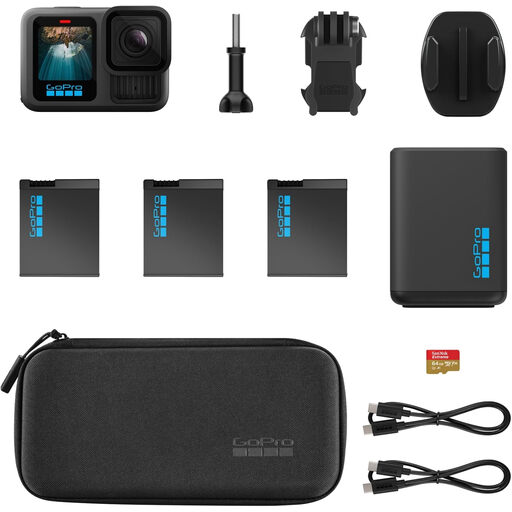
GoPro HERO13 Black Extended Power Bundle
Consider this bundle for activity footage rather than distant-subject travel zoom. Confirm the included power accessories and the memory-card requirements for the video mode you intend to use.
View on Joybuy
 No image available
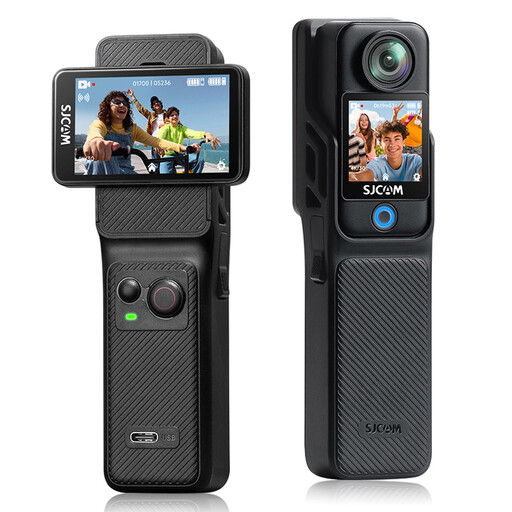
SJCAM C400 4K Action Camera, 2.29-Inch Flip Screen
The stated 6-axis electronic image stabilisation and 154° wide-angle view suit moving activity footage. The listing’s 437-minute recording figure depends on the handle and auxiliary battery; its stated waterproofing to 30m requires the included case.
View on Joybuy
 No image available
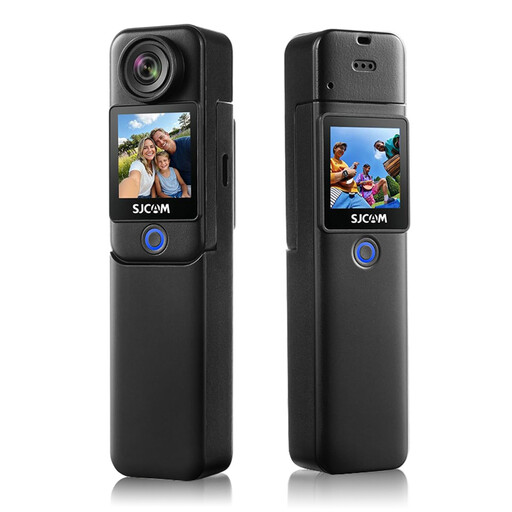
SJCAM C300 4K Action Camera, 1.3-Inch Screen
This action-camera listing specifies 6-axis electronic image stabilisation and 20MP photos. Its stated 460-minute recording time requires the handle and auxiliary battery, while the stated 30m water protection requires the included case; check the bundle contents before travel.
View on Joybuy
 No image available
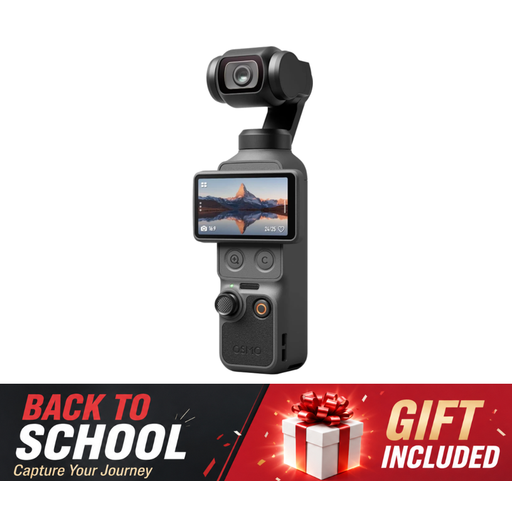
DJI Osmo Pocket 4 Standard Combo
For handheld travel video, the listing specifies 3-axis stabilisation, a 1-inch CMOS sensor, a 2-inch rotatable screen and 107 GB built-in storage. Its warning says to keep the gimbal away from water and high humidity; check the lens range if distant stills matter.
View on Joybuy
 No image available
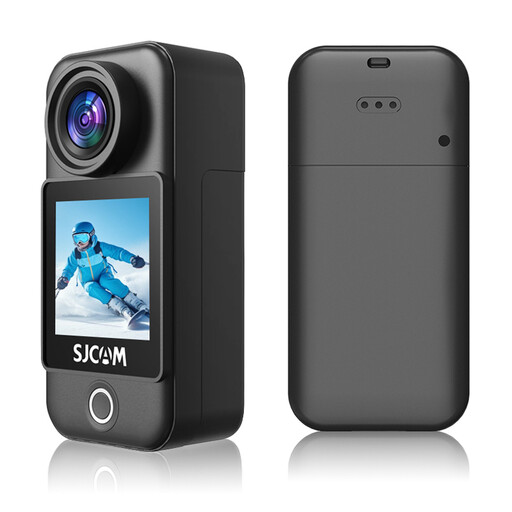
SJCAM C300 Pocket 4K Action Camera
The listed 6-axis electronic image stabilisation and compact 6.8 × 3.2 × 2.6cm body make this a light-packing option for activity video. The 120-minute recording figure is a listing claim, and the stated 30m waterproofing applies with the case fitted.
View on Joybuy
Travel camera questions
When is a compact camera worth carrying alongside a phone?
Consider one when its particular optical zoom or controls address photos you expect to take and cannot frame as you want with your phone. Which? also identifies low-light scenes as a reason to consider a dedicated camera, though results depend on the model and conditions. For quick daylight snapshots and sharing, the convenience of your phone may matter more than adding another device.
Should I take an action camera or a compact camera on an activity holiday?
Choose by the footage: an action camera suits very wide-angle moving video, while a compact with optical zoom is the route to examine for distant sights. DJI specifies a 155° field of view, electronic stabilisation and up to 2x digital zoom for the Osmo Action 5 Pro; its stated 20m waterproofing without a case depends on the covers being closed.
When does a bridge camera make sense for travel?
Consider a bridge camera when far-away subjects are central to the trip and you are willing to carry a larger body. Panasonic specifies a 20–1200mm-equivalent 60x optical zoom for the FZ82D, compared with 24–720mm and 30x for its pocket-oriented TZ99; that extra reach does not settle which size you will prefer to carry.
Which memory card do I need for travel video?
Check the exact camera manual for supported card format, capacity and the speed class required by your chosen recording mode. The SD Association explains that video recording needs a sustained minimum write speed to avoid dropped frames, so capacity alone cannot establish suitability.
How should I pack spare camera batteries for a flight?
The UK Civil Aviation Authority advises carrying spare batteries in cabin baggage and protecting them from damage. Check your airline’s rules and any conditions for your batteries and route before departure.


