Vegetable snack prepper
If you regularly cut carrot sticks and chill other vegetables, look at how containers, a produce drawer and shelves share the available space. An ice box may be less useful to you than room for chilled food.


Choose an under-counter larder fridge if space for carrot sticks and other chilled food matters more than freezing. An ice-box model makes sense if you also need frozen-food storage and can accept less chilled space; either way, check the installation space and door opening before comparing drawers and shelves. Love Food Hate Waste advises keeping a fridge between 0°C and 5°C, but a produce drawer does not guarantee that cut carrots will last longer.
If you regularly cut carrot sticks and chill other vegetables, look at how containers, a produce drawer and shelves share the available space. An ice box may be less useful to you than room for chilled food.
If this will be your only appliance for both chilled and occasional frozen food, compare ice-box models with larder fridges by their chilled-compartment volume, not just their external size.
If the fridge must fit existing cabinetry, establish the required appliance type, furniture-door arrangement and ventilation from the exact model’s installation instructions before comparing storage features.
Start with fit: a fridge that cannot be installed or opened in the available space will not solve the storage problem. Then decide whether the same appliance needs an ice box, and compare the chilled layout you would use for prepared vegetables.
| Concern | What to check | Who this matters to |
|---|---|---|
| Fit and installation | Measure height, width, depth and door-opening space; check whether the model is freestanding or built-under. | I have little room to manoeuvre, so the fridge must fit its intended position and open properly. Around 36% of consumers put fit and installation first. |
| Chilled vegetable space | Compare chilled-compartment volume and the arrangement of drawers and shelves. | Prepared carrots need an accessible place alongside my other groceries, rather than capacity I cannot use conveniently. For around 29% of consumers, usable chilled space is the primary concern. |
| Freezer compartment | Decide whether you need an ice box and compare the remaining chilled volume. | If this is my only appliance, I may need somewhere for frozen food even though it leaves less space for vegetables. Keeping that freezer option comes first for around 21% of consumers. |
| Energy, noise and upkeep | Compare the energy label, stated noise emissions and relevant defrosting instructions. | Once the fridge meets my storage needs, I want to understand what living with it will involve. Around 14% of consumers make energy, noise and upkeep their main priority. |
An ice box takes space within a compact appliance. Bosch lists 134 litres of chilled volume for its KTR15NWEAG larder fridge and 106 litres for its KTL15NWEAG with a freezer compartment; these figures describe those two models, not every fridge of either type.
Choose the freezer compartment if you will use it, and compare the chilled volume of the particular models on your shortlist.
A freestanding fridge and a model fitted into cabinetry have different placement requirements. For its integrated under-counter fridges, Beko specifies at least 30 cm between the appliance and heat sources such as hobs or ovens; follow the instructions for the model you choose.
Identify the required installation type, then check the cabinet, dimensions, ventilation and door arrangement against the model’s manual before ordering.
An incompatible built-in choice may also mean cabinet alterations or additional installation work.
A crisper or produce drawer helps organise vegetables, but its presence does not establish a storage life for cut carrot sticks. Love Food Hate Waste advises keeping the fridge between 0°C and 5°C to help food stay fresher.
Use a clean container for prepared carrots and monitor the fridge temperature rather than relying on the drawer name alone.
Bosch described a five-year offer for selected small-fridge models purchased between 1 April 2025 and 31 March 2026, with registration within three months. That purchase window has passed.
Check the current warranty terms, eligible model and any registration requirement for the fridge you are considering.
Relevant when comparing freestanding, slimline and integrated under-counter formats for a small kitchen.
Relevant when weighing a produce-drawer larder fridge against an under-counter model with an ice box.
Relevant for comparing two under-counter layouts with and without a freezer compartment.
These under-counter choices cover chilled-storage layouts as well as built-under and ice-box options. Compare each model’s installation requirements and usable space against your kitchen before choosing where carrot sticks and other food will go.
 No image available
Consider this model where the kitchen is set up for a built-under fridge. The product name states energy class E; check the furniture-door arrangement, cabinet dimensions and ventilation instructions for the exact model before ordering.
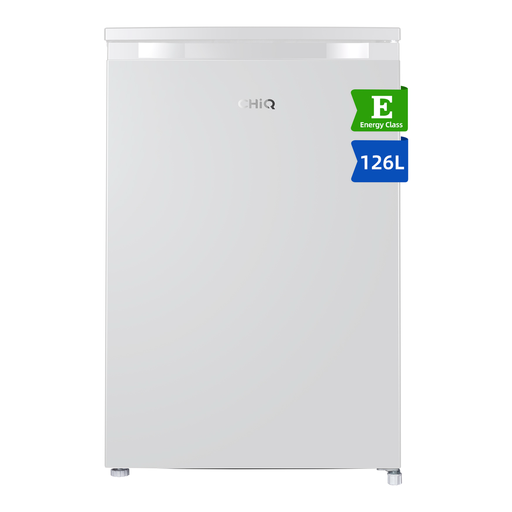 No image available
This larder format is worth considering when chilled food is the priority and a freestanding appliance suits the space. The product name states 126 litres, 55 cm width and energy class E; check the internal layout, ventilation clearance and door-opening room against your needs.
 No image available
This freestanding larder model is a possible choice when you want chilled storage without making an ice box the priority. Its product name states 55 cm width and energy class E. Confirm its chilled capacity before comparing it with other models: the title states 132 litres, while the description states 170 litres.
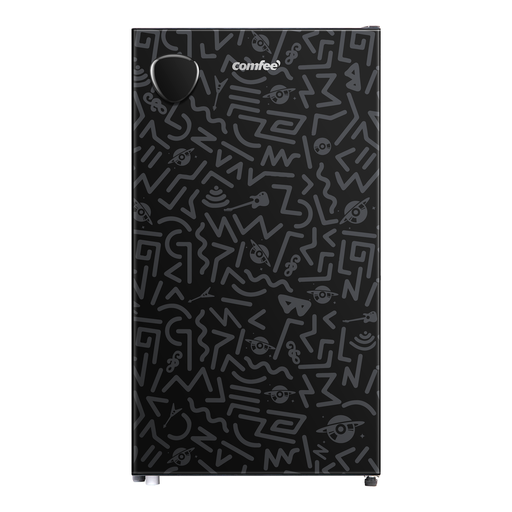 No image available
Consider the 88-litre format if the available space is tight, but check whether its internal layout will hold your usual groceries as well as prepared vegetables. The product name specifies a cooler box, adjustable thermostat, reversible door, removable glass shelves and energy class E. Check the cooler-zone instructions before storing carrots there: the stated guidance limits storage in that zone to two hours to avoid freezing.
 No image available
This model is relevant if you need a built-under appliance and want an ice box alongside chilled storage. Its product name specifies a sliding hinge and energy class E. Check the space available for vegetables and frozen food separately, then confirm cabinet, hinge and ventilation compatibility against the installation instructions.
Keep the fridge between 0°C and 5°C and monitor its temperature. Love Food Hate Waste says this range can help food stay fresher, but it does not guarantee how long home-cut carrots will keep; preparation and container cleanliness matter too.
No; choose an ice box if you also need frozen-food storage in the same appliance. Check what remains for chilled food: Bosch lists 134 litres of chilled volume for the KTR15NWEAG larder model and 106 litres for the KTL15NWEAG with a freezer compartment.
Do not assume the two installation types are interchangeable. Check the exact model’s cabinet, hinge, ventilation and heat-source instructions before ordering; Beko, for example, specifies at least 30 cm from heat sources for its integrated under-counter fridges.
Arrange an appropriate electrical-equipment collection or take-back option rather than treating the fridge as general household waste. GOV.UK’s guidance covers waste electrical and electronic equipment and retailer take-back arrangements; confirm the available collection method with the retailer or your local authority.
Do not rely on that promotion when choosing a fridge now. Bosch described it for selected models bought between 1 April 2025 and 31 March 2026 and registered within three months; check the current terms for the exact model instead.