Small-desk calendar planners
You need room for a keyboard and a mouse or trackpad while arranging dates, labels and event blocks. Keyboard width matters, but so does where the equipment sits on the desk.


Start with the space available for both typing and pointer work: a compact keyboard is useful only if its exact key layout still supports the way you enter dates and edit events. Prioritise device switching or configurable shortcuts if you use them regularly, and choose key feel with your working environment in mind; a smaller keyboard does not replace careful workstation positioning.
You need room for a keyboard and a mouse or trackpad while arranging dates, labels and event blocks. Keyboard width matters, but so does where the equipment sits on the desk.
You move calendar work between a computer, tablet or phone and would use quick device switching more often than the extra keys on a full-size board.
You enter event details repeatedly or work in design and calendar software, making familiar key placement and usable shortcut controls important to your choice.
Check the available desk space and essential keys first, then decide whether switching devices or changing shortcuts would improve your own calendar workflow.
| Concern | What to check | Who this matters to |
|---|---|---|
| Desk footprint | Compare the keyboard’s dimensions with the usable desk area and leave room to position the pointing device. | I need space to type and move the pointer while arranging event blocks, without pushing the keyboard off-centre. Around 42% of consumers put desk and pointer space first. |
| Workflow controls | Check device-switching controls and whether shortcut customisation works with your operating system and software. | If I move between a computer and tablet or repeat the same calendar commands, interruptions matter more to me than extra keys. Roughly 33% of consumers prioritise workflow controls and switching. |
| Layout and key feel | Inspect the selected UK or US layout, arrow and navigation keys, and the switch or key design. | I want familiar keys for entering dates and a typing sound that suits a shared room. About 25% of consumers make layout, feel or noise their primary concern. |
Reducing a keyboard’s size can change where navigation and number-entry keys sit. The Keychron K3 Max, for example, has a UK-ISO variant; the variant selected on a listing matters.
Inspect the exact layout, arrow keys and navigation keys, and decide whether you need a dedicated numeric keypad for entering dates.
More pointer space will not resolve a poorly positioned screen, twisted posture or a mouse placed out of reach.
Follow the Health and Safety Executive’s workstation guidance: keep the screen and keyboard central, place the keyboard just below elbow height and keep the mouse in line with the elbow.
Apple specifies its cited Magic Keyboard with Touch ID for a Mac with Apple silicon running macOS 15.1 or later.
Check your Mac’s chip and macOS version before choosing that model for Touch ID; otherwise, compare compact keyboards on the features your computer can use.
A replaced keyboard is electrical equipment, so disposal deserves a plan alongside the new desk setup.
Keep a working keyboard for reuse where practical, or check for an appropriate local electrical recycling or retailer take-back route. GOV.UK identifies the UK Waste Electrical and Electronic Equipment Regulations 2013, as amended, as the framework for this equipment.
Relevant to compact productivity layouts, from MX Keys Mini to Pebble Keys 2 K380s.
Relevant to buyers considering a compact, configurable mechanical keyboard.
Relevant to an Apple-centred desk where a compact keyboard and Touch ID on a compatible Mac are useful.
Relevant to smaller workspaces where a choice between Bluetooth and 2.4 GHz wireless connections matters.
These compact keyboard options focus on leaving room for pointer work while editing an event calendar. Compare their stated layouts and connection choices against your desk and devices; the products do not all serve the same setup.
 No image available
Consider this for calendar work if its compact key arrangement leaves enough room for your pointing device.
Check the exact key layout, switch feel and operating-system behaviour for your setup.
 No image available
The 75% layout is worth considering when you need typing space alongside a mouse or trackpad.
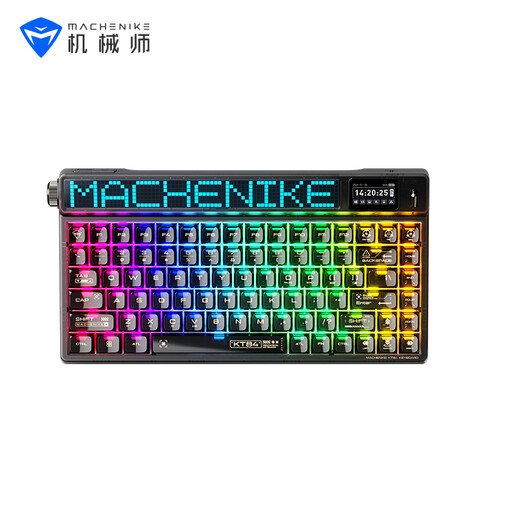
The selected variant is named with Star Vektor switches, a TFT display and a knob. Confirm its exact key layout and compatibility with your operating system.
 No image available
Consider its compact layout if preserving pointer space matters and you are comfortable with the stated US QWERTY key placement.
The title specifies Gateron White switches and tri-mode connectivity. Check its dimensions and operating-system compatibility against your setup.
 No image available
This is a compact UK-layout option to consider if a wired keyboard suits your calendar workstation.
Check that its smaller key arrangement retains the navigation keys you use and confirm compatibility if your computer does not run Windows.
 No image available
Its 75% layout is relevant if your calendar work needs room for both typing and pointer movement.
The title specifies a US QWERTY layout and wired, Bluetooth and 2.4 GHz modes. Check its dimensions and operating-system compatibility before choosing it.
Not on its own. A compact keyboard may leave more pointer space, but the Health and Safety Executive advises keeping the screen and keyboard central, placing the keyboard just below elbow height and keeping the mouse in line with the elbow.
Some models can, provided they support your devices and the connection mode you intend to use. Logitech specifies three-device switching for Pebble Keys 2 K380s; check the selected keyboard’s switching controls and device compatibility before relying on them for calendar work.
No, not if Touch ID is the feature you need. Apple specifies the cited model for a Mac with Apple silicon running macOS 15.1 or later, so check your Mac before choosing it for that function.
Keep it for reuse if it still works, or check an appropriate electrical recycling or retailer take-back route locally. GOV.UK identifies the Waste Electrical and Electronic Equipment Regulations 2013, as amended, as the UK framework for electrical and electronic equipment at end of life.