Small-desk programme editors
If scores, notes, a laptop or a mouse share your desk with the keyboard, measure the space available before choosing a compact layout. Check which dedicated keys you would give up as well as the keyboard’s footprint.


Choose a computer keyboard that leaves room for your programme notes and mouse without hiding the keys you use to edit. A compact wired UK-layout board can suit a fixed Windows desk; a 75% wireless board may suit frequent shortcuts or work across devices. Check the exact layout, connection method and desk fit before choosing by size alone.
If scores, notes, a laptop or a mouse share your desk with the keyboard, measure the space available before choosing a compact layout. Check which dedicated keys you would give up as well as the keyboard’s footprint.
If you revise programme copy across devices or use repeatable formatting commands, compare connection modes and key-remapping options. Keychron lists these features for its K3 Max UK-ISO keyboard; confirm that the selected variant fits your devices and workflow.
For longer editing sessions or a shared room, consider switch sound and where your hands, wrists and mouse will sit. The Health and Safety Executive advises keeping wrists straight while typing; a smaller keyboard alone does not settle the wider workstation arrangement.
Start with the space you can spare and the editing keys you use, then decide whether you need one permanent connection or to move between devices.
| Concern | What to check | Who this matters to |
|---|---|---|
| Desk fit and editing keys | Measure usable desk width and depth, then inspect the exact layout for the navigation and number keys you use. | I need space beside the keyboard for scores, notes or a mouse, but cannot afford to lose familiar editing keys. For around 42% of consumers, preserving usable desk space would come first. |
| Layout and connections | Confirm the selected UK or US key layout and device compatibility; compare wired, Bluetooth and 2.4 GHz options only where you need them. | When I move programme work between devices or reuse formatting shortcuts, I want the keys and connection to work as expected. Around 33% of consumers would prioritise that workflow flexibility. |
| Typing comfort and sound | Consider switch sound in your room and leave space to position your hands and wrists comfortably. | Long editing sessions or a shared workspace make key feel, noise and hand position especially important to me. These would be the primary concern for around 25% of consumers. |
A smaller layout may put familiar commands behind an Fn key or omit dedicated keys. The Cherry ML4100 is specified with 83 normal keys, while Keychron describes the K3 Max as a 75% keyboard.
List the keys and shortcuts you use while editing, then inspect the layout image or manual for the exact variant.
UK-QWERTY, UK-ISO and US layouts can place or label keys differently; Windows- and Mac-oriented variants also deserve a closer look.
Check the layout selected at checkout and its compatibility with the device and software you will use.
Keyboard size does not determine screen, chair or mouse position. The Health and Safety Executive advises keeping wrists straight while typing.
Leave room for your hands in front of the keyboard and assess the rest of your desk arrangement as well.
Switch options differ in feel and sound. Logitech lists Tactile Quiet, Clicky and Linear variants for the MX Mechanical Mini; a clicky option may not suit a quiet shared room.
Confirm the exact switch variant and, where possible, try its sound and feel before choosing.
The MX Keys Mini and MX Mechanical Mini are compact options for office-style typing and device switching.
The K3 Max is a 75% low-profile mechanical option for buyers interested in a UK-ISO variant and configurable keys.
The ML4100 is a compact wired option for a fixed Windows workstation.
These compact computer keyboards offer different layouts for a small programme-editing desk. Compare the selected key layout and the commands you need before deciding whether a smaller board suits your work.
 No image available
Consider this 75% wireless model if you want a compact keyboard for regular programme editing. Check the precise UK key arrangement against your shortcuts, and compare its physical size with your available desk space.
 No image available
Consider this 78-key model if you move programme work between devices and can use a US QWERTY layout. Its product title lists 2.4 GHz and Bluetooth connections and support for four devices; check the navigation-key arrangement and desk fit before ordering.
 No image available
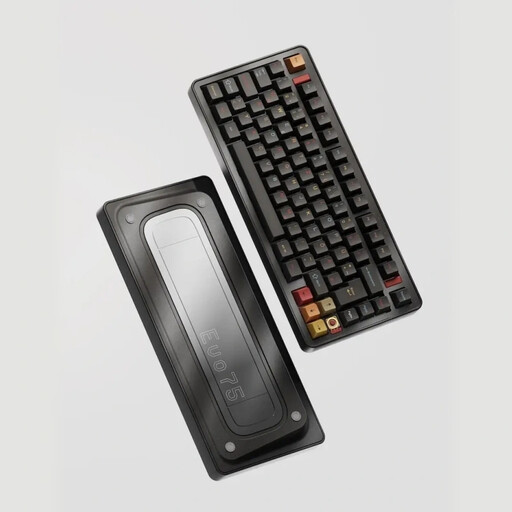
Consider this 75% mechanical model if switch choice and key configuration matter to your editing routine. The title specifies a US layout, hot-swappable switches and VIA compatibility; check the selected key map, switch sound and desk fit.
 No image available
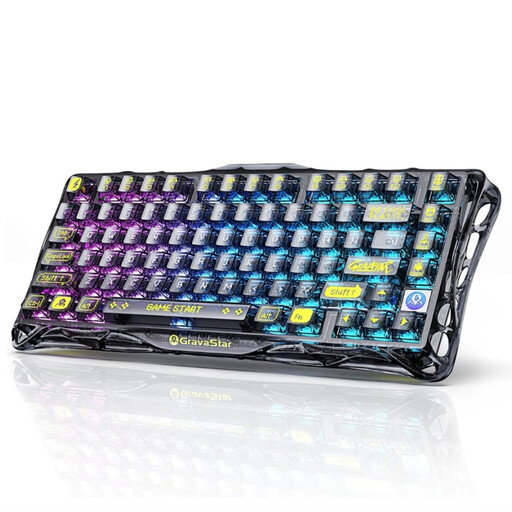
Consider this compact model if you want a choice of connection methods and can work with US QWERTY keys. Its title lists Bluetooth 5.0, 2.4 GHz and USB-C modes; check the desk fit, key arrangement and selected retail variant.
 No image available
Consider this 60% model only if its smaller key arrangement works for your programme-editing commands. Check how you access arrow and navigation functions, as well as the exact regional layout and space it will occupy.
Not if it makes regular programme editing awkward. Identify the navigation, number and shortcut keys you use, then compare their placement with the space each keyboard would leave for your other materials.
Choose a UK layout if its key placement and legends are what you expect when typing programme copy. Check the exact variant at checkout: a model family may also include US-layout versions.
A wired keyboard can suit a permanent workstation where you do not need to move the board between devices. If device switching is part of your routine, compare the actual Bluetooth, 2.4 GHz and wired modes offered by the variant you are considering.
Make room to position your hands in front of the keyboard and keep your wrists straight while typing, as the Health and Safety Executive advises. Consider the screen, chair and mouse arrangement too, rather than relying on keyboard size alone.
Sound depends on the selected switch, so do not judge every mechanical keyboard by one option. Logitech lists Tactile Quiet, Clicky and Linear variants for the MX Mechanical Mini; confirm the exact switch and try it where possible.