What matters when choosing?
Start with the software and audio equipment you cannot change, then decide how much timeline space and built-in storage you need. Finally, plan how everything will connect on the desk.
| Concern |
What to check |
Who this matters to |
| Timeline space and desk fit |
Compare screen size and shape with the space available; check external-display support if you may add a monitor. |
If I arrange several tracks on a shallow desk, I need to see edit points without making the laptop awkward to place. Around 33% of consumers put timeline space and desk fit first. |
| Software and driver compatibility |
Check the exact DAW and plug-in versions, operating system, processor architecture and audio-interface driver. |
Keeping an existing recording setup working matters more to me than changing platforms for a new laptop. For around 25% of consumers, software and driver compatibility is the primary concern. |
| Memory and project storage |
Compare installed memory and SSD capacity, then decide where active sessions and media copies will live. |
If my sessions and media files build up, I want enough working space without interrupting an edit to move files. Memory and project storage come first for roughly 25% of consumers. |
| Connections at the desk |
List the connections needed simultaneously for audio gear, charging, storage and any monitor. |
I need my interface and external drive connected while the laptop is powered, without an impractical tangle of adapters. Around 17% of consumers prioritise desk connections above the other concerns. |
Joybuy laptops for compact editing setups
These compact laptops offer different ways to work at a small desk, from a dual-screen layout to 13-inch and 14-inch macOS or Windows setups. Choose by the space your timeline needs, then check your own audio software and connections against the exact model.
 No image available
ASUS Zenbook DUO UX8406CA-QL135W, dual 14-inch OLED
Consider the dual-screen format if you want to keep more of your editing workspace visible; check how the arrangement will fit on your desk.
The listed configuration has an Intel Core Ultra 7 255H processor, 16GB LPDDR5X memory and a 1TB SSD. Confirm the supplied screen resolution, as the configuration descriptions differ.
Check your DAW, plug-ins and audio-interface driver against this Windows setup before ordering.
View on Joybuy
 No image available
Apple MacBook Air 13-inch M5, 16GB/1TB, Sky Blue
This compact macOS option suits an editing setup whose required software and audio equipment support the selected macOS version.
The listed M5 variant has a 10-core CPU and 10-core GPU, with 16GB unified memory and a 1TB SSD. Plan how charging and peripherals will connect at the same time.
View on Joybuy
 No image available
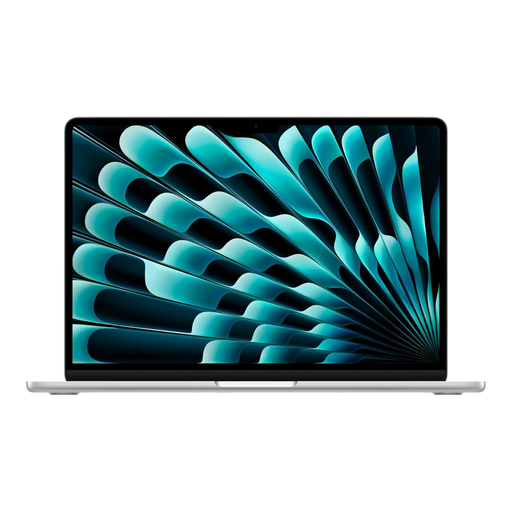
Apple MacBook Air 13-inch M5, 16GB/512GB, Silver
This is a compact macOS choice if its storage capacity fits your project plan and your editing tools support the required macOS version.
The listed variant has a 10-core CPU, 8-core GPU and 16GB unified memory. Check your simultaneous charging and peripheral connections before choosing a hub or adapter.
View on Joybuy
 No image available
HP OmniBook Ultra Flip 14-fh0006na 2-in-1
Consider this 14-inch Windows format if you want a compact laptop with a folding touchscreen as well as a conventional editing layout.
The listed configuration has 16GB RAM, a 1TB SSD and Windows 11 Home. Confirm support for your DAW, plug-ins and audio-interface driver on the selected processor and Windows version.
View on Joybuy
 No image available
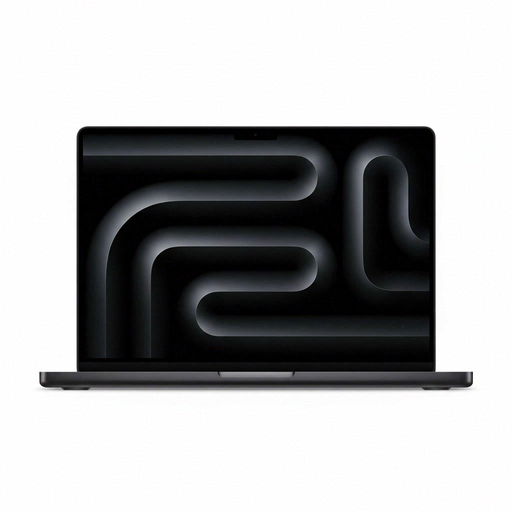
Apple MacBook Pro 14.2-inch M5 Pro, 24GB/2TB, Space Black
Consider the 14.2-inch format if your desk can accommodate it and you want the listed memory and storage for a larger project setup.
This M5 Pro variant is listed with a 15-core CPU and 16-core GPU. Check that your DAW and audio equipment support the required macOS version, and confirm the power adapter: the product description specifies a USB-C adapter rated at 70W or above and says it is sold separately.
View on Joybuy
Frequently asked questions
Is 16GB of memory enough for podcast editing?
For an ordinary audio-only workflow, 16GB is a reasonable starting point, not a guarantee for every project. Adobe lists 16GB of RAM for HD media in Audition; if you also work with video, extensive plug-in chains or several demanding applications, assess those requirements before settling on a configuration.
Do I need a 15- or 16-inch laptop for a podcast timeline?
No: a 13- or 14-inch laptop can work on a small desk if you accept a more compact view of the tracks. Compare the screen layout with your editing habits, and check external-display support and available desk space if you may add a monitor later.
Can a Snapdragon Windows laptop run my podcast-editing setup?
It may suit your setup, but check every essential DAW version, plug-in and audio-interface driver for the selected Windows-on-ARM model before buying. Microsoft lists Snapdragon X Plus and X Elite options for the Surface Laptop 7th Edition; its physical connections do not establish software or driver compatibility.
Which accessories should I check before ordering?
Check whether your headphones or interface, external SSD and any monitor can connect while the laptop is charging. A hub or adapters may be needed for your particular arrangement, and charger inclusion varies by configuration: Dell states that a charger is not included with its cited XPS 13, while Lenovo lists a UK three-pin adapter with the cited ThinkPad configuration.


