Space-first custard warmer
If you usually warm one small serving and have little worktop room, exterior dimensions, door clearance and room for your usual bowl matter more than extra cooking modes.


A compact solo microwave is a straightforward choice if you mainly warm custard, provided the appliance fits your worktop and its turntable fits your bowl. Consider a 17L model when space is tight, or a 20L model if you also reheat meals; with either, warm custard in short stages and stir because the centre can remain cooler than the edges.
If you usually warm one small serving and have little worktop room, exterior dimensions, door clearance and room for your usual bowl matter more than extra cooking modes.
If you prefer to warm custard in short stages, look for power settings and controls that make it practical to pause and stir rather than running one long cycle.
If the microwave will also reheat ordinary meals, a compact 20L model may give your usual plates more room, provided it still fits the worktop.
For a small kitchen where custard is the main task, check worktop and bowl fit before deciding how much control and meal-reheating room you need.
| Concern | What to check | Who this matters to |
|---|---|---|
| Worktop and bowl fit | Measure the available space and allow for the model’s required ventilation and door clearance. Check that your bowl can rotate on the turntable. | With very little counter room, I need an appliance that fits without making my usual bowl awkward to use; around 42% of consumers would put space and bowl fit first. |
| Staged warming control | Check the available power settings and whether the timer and controls suit short heating stages. | I want to pause and stir custard instead of leaving it on one long cycle; roughly 33% of consumers would make warming control their primary concern. |
| Room for other meals | Compare cavity and turntable dimensions with the plates you regularly use, then check the appliance’s exterior depth. | If this microwave must also take my dinner plates, I need more usable dish space; about 25% of consumers would prioritise broader reheating capacity. |
A 17L or 20L capacity does not tell you whether the microwave fits your counter or whether your bowl can turn freely inside it.
Compare exterior and cavity dimensions, turntable diameter and the exact model’s ventilation and door-opening requirements before ordering.
Microwaved food can be hot at the edges while remaining cooler in the centre. Food Standards Agency reheating guidance says stirring helps prevent this uneven heating.
Use a microwave-safe bowl, warm custard in short stages at a lower setting where available, stir between stages and follow any pack instructions.
Grill, convection and air-fry modes serve different cooking tasks; they do not replace the need for suitable bowl space and controlled reheating when warming custard.
Start with solo microwaves, and consider additional modes only if you expect to use them for other cooking.
The RHMM701R is a compact 17L solo model for comparing space-first options. It has a 700W output and a 24.5cm turntable.
The 700W Standard Microwave is another 17L solo example. Its exterior size is H24.3 × W44.6 × D32.3cm and its turntable 24.5cm.
The NN-ST23QMBPQ illustrates a compact 20L solo route. It has an 800W maximum output and a 25.5cm turntable.
The Haden Starbeck is a 20L manual-control example listed with 800W output, six power levels and dual dials.
These solo microwaves cover digital and manual-control options for warming custard and reheating other food. Compare each model’s fit with your worktop and usual bowl before choosing.
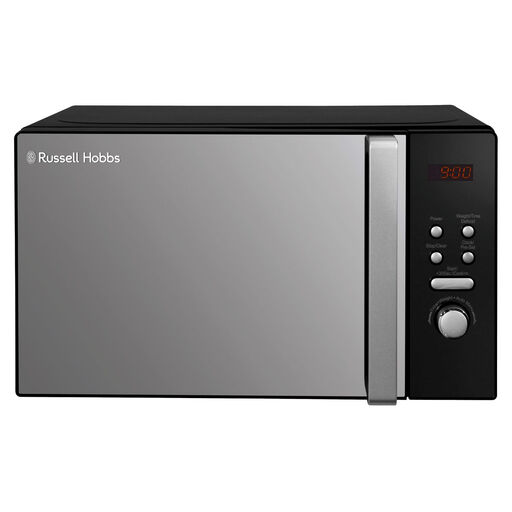 No image available
Consider this solo model if you want selectable settings for warming custard as well as everyday reheating.
Five power levels are stated in its product name. Check bowl fit, ventilation space and door clearance before ordering.
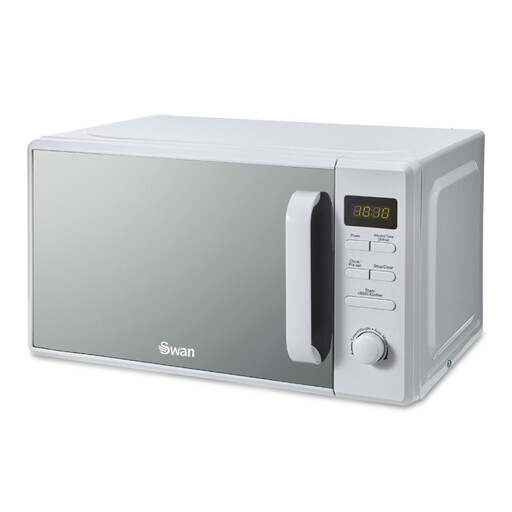 No image available
This digital model suits someone comparing control options for short custard-warming stages and other reheating.
Its name specifies five power levels and a 95-minute timer; check how its controls set the short intervals you prefer.
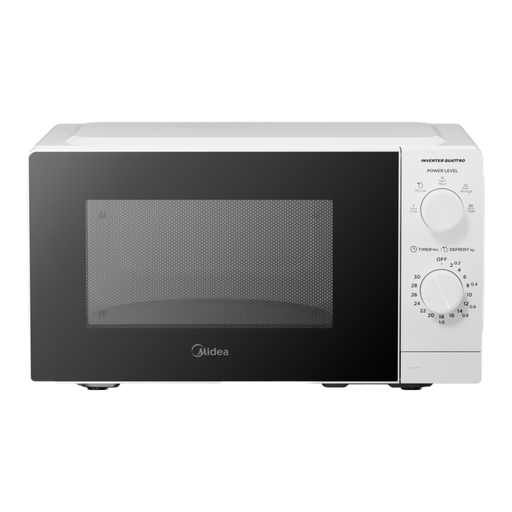 No image available
Choose this route to compare manual controls with digital models for staged custard warming.
Check the turntable diameter against your bowl and confirm the worktop, ventilation and door-opening space needed for this model.
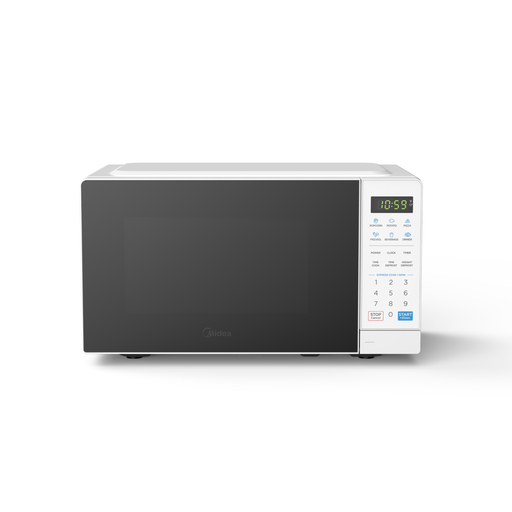 No image available
This is a 20L solo option if you also need room for routine reheating.
Its name specifies a 245mm turntable. Measure the available worktop and confirm the appliance dimensions and required clearances before choosing it.
 No image available
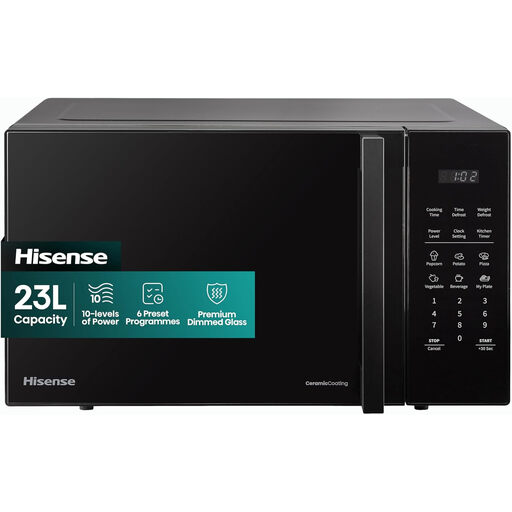
Consider this larger-capacity option if reheating other dishes matters as much as warming custard and your worktop can accommodate it.
Check whether its timer permits the short stages you want, as well as the space needed to open the door and ventilate the appliance.
A countertop solo microwave is sufficient for the basic task. Choose one with a turntable that fits your bowl and controls you can use for short heating stages; consider grill or convection modes only if you need them for other cooking.
Warm it in a microwave-safe bowl in short stages, stirring between them and following any pack instructions. Food Standards Agency reheating guidance notes that microwaved food can be hot at the edges while still cold in the centre.
Not necessarily: a 17L model may suit an individual bowl if it fits and rotates freely. Consider 20L when you also need space for your regular plates, and check the appliance’s exterior dimensions before choosing.
Avoid reheating leftover custard repeatedly. GOV.UK food-hygiene guidance for businesses advises reheating food until it is steaming hot throughout and reheating it only once; safe storage and thorough reheating still matter whichever microwave you use.