
24/7 Customer Support

Free returns

Same-day & Next-day Delivery

Quality Guaranteed

Unlock Your Welcome Offers: FREE Delivery | Up to 80% OFF | Free 30-day JoyPlus trial
Download the APP
A camera can look impressive on a product page yet prove awkward once you are filming in a rainy London street, a busy lecture break or on a windy coastal walk. When comparing compact vlogging cameras, UK shoppers should look beyond headline resolution and consider how the device handles movement, sound, storage and everyday carrying.
The most common buying pitfalls are:
A 4K vlog camera records more detail than Full HD, which can help when cropping footage or exporting to YouTube. However, 4K files use considerably more storage. A fast U3 or V30 microSD card is advisable for cameras that support high-bitrate 4K recording; a slower card may cause recording interruptions or file errors.
Frame rate also affects the result. Standard 4K at 24, 25 or 30fps suits talking-head videos and travel clips. Higher frame rates such as 60fps or 120fps are useful for smoother movement or slow-motion playback, but they can increase file sizes and battery consumption. Check whether a stated 4K/120fps or 4K/240fps mode is limited to slow motion.
A camera with image stabilisation is valuable when walking, cycling or filming handheld. Mechanical 3-axis gimbals can physically steady the lens, while electronic image stabilisation (EIS) uses software and cropping. Gimbals can produce smooth footage but contain moving parts and are generally not waterproof.
Autofocus matters when you are filming yourself. Face detection, subject tracking and a rotatable or vari-angle screen make solo recording easier. A wide-angle lens helps include your surroundings, although very wide settings can distort faces near the edge of the frame.
If you need a waterproof action camera, confirm whether the stated depth applies to the camera itself or only when used with a supplied housing. Always check the case seal before underwater use and rinse equipment with fresh water after saltwater activities.
Wi-Fi and Bluetooth can simplify file transfers, remote control and live streaming, but they may increase battery drain. For a camera for YouTube, also check microphone support, audio quality and whether the camera works with your preferred phone or editing workflow.
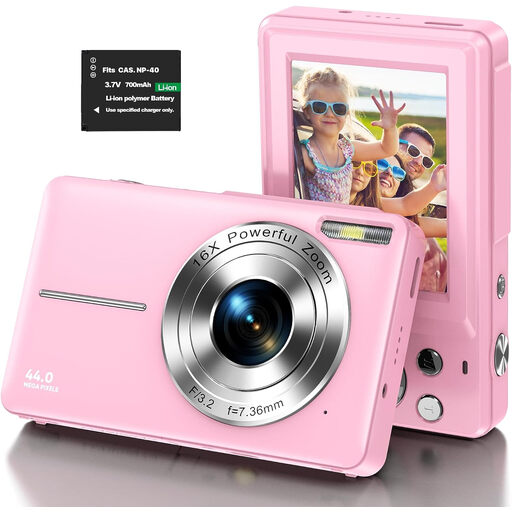
Why This Fits Their Persona: A small standalone option for students, families and new creators who want a dedicated pocket camera rather than using a phone for every clip.
The supplied instructions clearly note that a compatible microSD card is required and that the camera is not waterproof, helping buyers plan for storage and weather protection.
Offers 2160P video, a 2.4-inch IPS screen and a 32GB TF card in the package; use a U3 or V30 card for 4K recording.
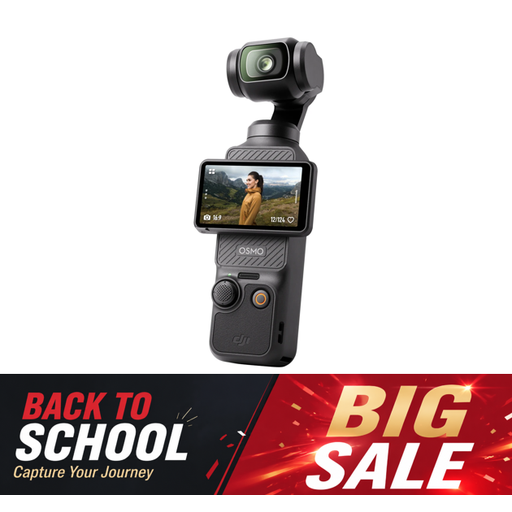
Why This Fits Their Persona: Suitable for creators who prioritise smooth handheld footage, quick framing and a compact setup for YouTube, interviews and travel.
Its 2-inch rotatable touchscreen supports horizontal and vertical framing, while 3-axis mechanical stabilisation addresses the common problem of visibly shaky walking footage.
Features a 1-inch CMOS sensor, 4K/120fps recording, ActiveTrack 6.0 and direct connection for two compatible wireless microphone transmitters.
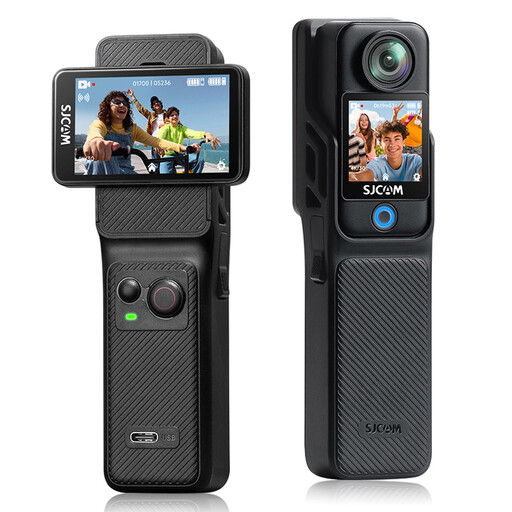
Why This Fits Their Persona: Designed for cycling, hiking, fishing and outdoor creators who need a compact, wide-angle camera with case-based underwater protection.
The 30m waterproof rating applies with the waterproof case, and the dual screens make framing easier when the camera is mounted or pointed towards you.
Supports 4K/30fps, 6-axis gyro stabilisation, 5GHz Wi-Fi, live streaming and microSD cards up to 512GB.
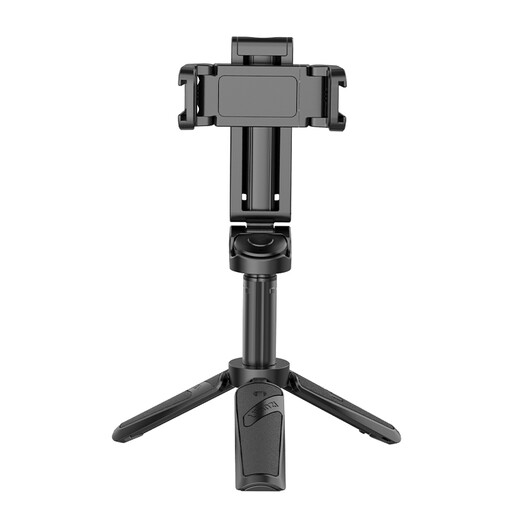
Why This Fits Their Persona: A practical add-on for students, livestreamers and travellers who already use a smartphone and need hands-free framing.
It combines a phone grip, selfie stick and mini tripod, reducing the need to buy several separate supports. It is not a waterproof accessory and should be kept away from moisture.
Includes Bluetooth remote control and two cold shoes for compatible accessories, such as a light or microphone.
We have compiled a complete, real-time list of products that fully satisfy these strict selection criteria and UK safety regulations.
Before ordering, check the package contents, charging method, supported memory-card capacity, microphone options and UK delivery information. For Bluetooth accessories, confirm phone compatibility and test the tripod on a stable surface before stepping away from it. Magnetic mounts should be kept away from sensitive cards and devices, and the phone should be secured during vigorous movement.
They can be useful when you need a dedicated camera, optical or mechanical stabilisation, a wider field of view, physical controls or uninterrupted phone access while recording. A phone may remain more convenient for quick social posts, so compare the complete setup rather than the camera alone.
Lifespan depends on battery care, storage conditions, firmware support and physical handling. Keep batteries away from heat, avoid charging damaged units and store cameras in a cool, dry place. Gimbals should be protected from drops and moisture, while action-camera cases need seal checks before every underwater session.
Common additions include a suitable microSD card, spare battery, USB-C charger, protective case, compact tripod and external microphone. A Bluetooth phone tripod or selfie stick can also improve framing if you plan to mix camera footage with smartphone content.