
24/7 Customer Support

Free returns

Same-day & Next-day Delivery

Quality Guaranteed

Unlock Your Welcome Offers: FREE Delivery | Up to 80% OFF | Free 30-day JoyPlus trial
Download the APP
As a dog owner in the UK, navigating the world of complete dog food can feel overwhelming. Shelves are packed with bags boasting impressive claims, making it difficult to distinguish marketing hype from genuine nutritional value. Choosing the right food is one of the most significant decisions you'll make for your dog's long-term health and happiness.
My role as a Joybuy Product Recommendation Officer is to help you see past the flashy packaging. This guide will break down the common purchasing pitfalls and clarify the essential factors to consider, helping you select a food that truly meets your dog's needs.
Many well-intentioned owners are swayed by persuasive marketing. Here are two of the most common traps to be aware of:
To make an informed choice, focus on these non-negotiable factors rather than just the front-of-bag claims.
In the UK, ingredients must be listed in descending order by weight. This is your most reliable tool.
A single food formula rarely fits all dogs. Nutritional needs change dramatically with age, size and activity level.
Based on these practical criteria, here are some options tailored to specific needs, helping you sidestep the common pitfalls.
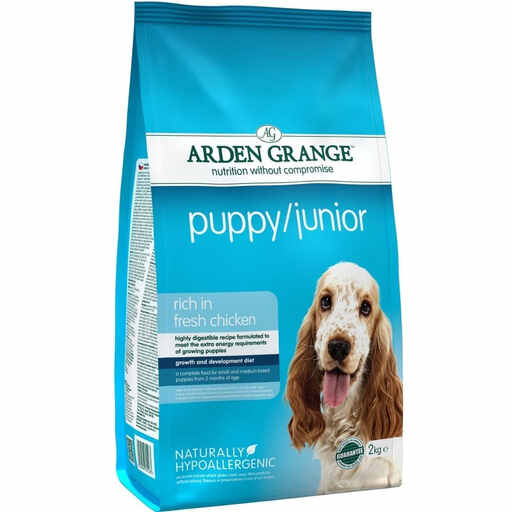
Why This Fits Their Persona: This is for owners of small or medium breed puppies who need a diet specifically designed for healthy, steady growth. The small kibble is easy for young dogs to manage, and the formula is focused on foundational health.
It's a life-stage-specific food, not a generic "all-purpose" formula. It uses quality grains (rice, maize) appropriately, avoiding the "grain-free" hype for dogs that don't need it.
Includes glucosamine, MSM and chondroitin for early joint support. The balanced calcium-phosphorus ratio is crucial for skeletal development in growing pups.
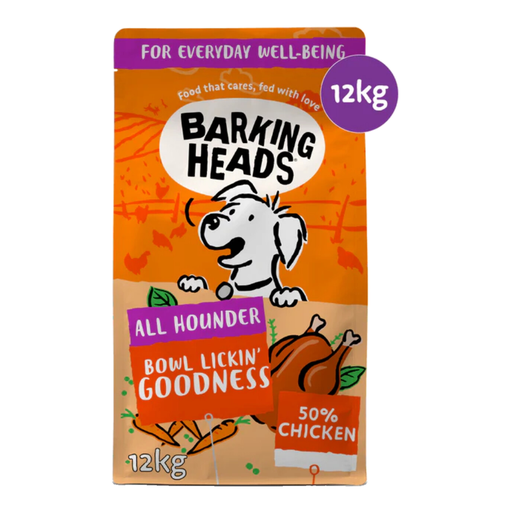
Why This Fits Their Persona: Ideal for owners seeking a high-quality, UK made dog food with transparent, natural dog food ingredients for their adult dog's everyday health and vitality.
It is very clear about its meat content, stating "50% Chicken" and breaking it down into "Freshly Prepared" and "Dried" portions. This transparency counters the misleading meat content pitfall.
A high proportion of quality, named protein (free-run chicken) is the first ingredient. It also contains prebiotics to support healthy digestion and slow-release carbohydrates for sustained energy.
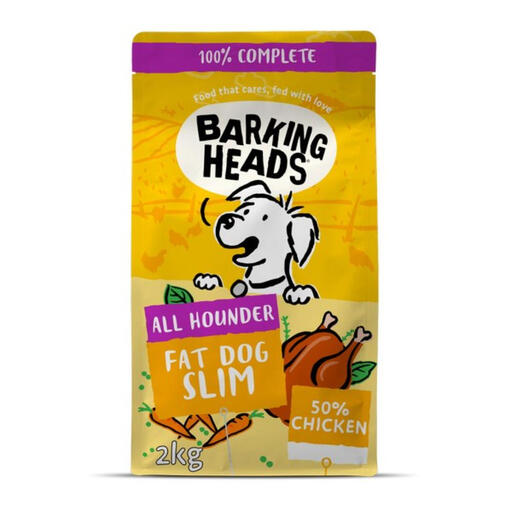
Why This Fits Their Persona: This is for owners of dogs that are prone to gaining weight, are less active, or need to shed a few pounds. It provides a complete, satisfying meal without excess calories.
This is a targeted nutritional solution, not a generic adult food. It directly addresses the specific need for weight management, avoiding the "one-size-fits-all" pitfall.
It has a significantly reduced fat content (9.5%) and contains L-Carnitine, an additive that helps the body metabolise fatty acids. Natural fibre from peas and lucerne also helps dogs feel full.
We have compiled a complete, real-time list of products that fully satisfy these strict selection criteria and UK safety regulations.
A sudden change in diet can cause digestive upset. The recommended method is a gradual transition over 7-10 days. Start by mixing a small amount of the new food (around 25%) with their old food (75%). Every couple of days, increase the proportion of the new food while decreasing the old, until you have fully switched over.
Both wet dog food and dry dog food can provide complete nutrition if they are formulated correctly. Dry food is convenient, generally more cost-effective and the crunchy kibble can help reduce tartar build-up. Wet food has a much higher moisture content, which is great for hydration and is often more palatable for picky eaters. The choice often comes down to your dog's individual needs, preferences and your budget. Some owners find success mixing the two.