
24/7 Customer Support

Free returns

Same-day & Next-day Delivery

Quality Guaranteed

Unlock Your Welcome Offers: FREE Delivery | Up to 80% OFF | Free 30-day JoyPlus trial
Download the APP
As a dog owner in the UK, navigating the aisles of pet food can feel overwhelming. Every bag and tin promises optimal health, but the marketing messages often create more confusion than clarity. Choosing the right complete dog food is one of the most important decisions you'll make for your companion's long-term wellbeing. The goal is to find a food that provides all the necessary nutrients in the correct balance for their specific needs, without falling for common purchasing pitfalls.
This guide, from my perspective as a Joybuy Product Recommendation Officer, is designed to help you cut through the clutter. We'll look at the frequent traps that lead to poor choices and highlight the key factors you should always check before you buy.
Many well-intentioned owners are swayed by clever marketing. Here are three common pitfalls to be aware of:
To make an informed decision, focus on these three practical parameters.
In the UK, ingredients must be listed in descending order by weight. The first few ingredients make up the bulk of the food.
The choice between wet dog food and dry dog food (kibble) often comes down to your dog's preference, your lifestyle and specific health needs.
Many owners find a combination of both works well, adding a spoonful of wet food to their dog's kibble to increase palatability and moisture.
A dog's nutritional needs change dramatically throughout its life.
Based on these principles, here are a few options tailored to specific UK dog owner profiles.
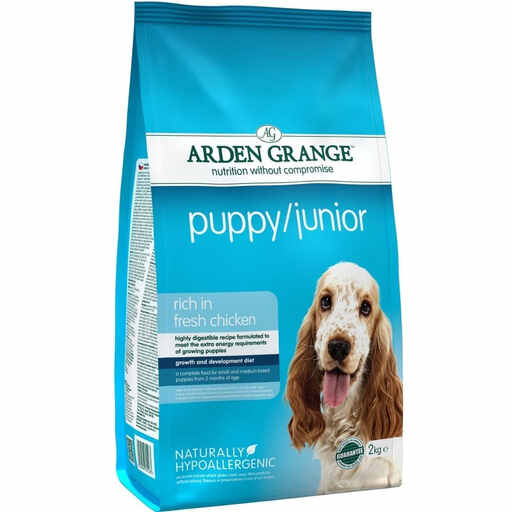
Why This Fits Their Persona: This formula is specifically designed for the rapid growth phase of small and medium-breed puppies. It takes the guesswork out of nutrition with a balanced profile and the 2kg bag is ideal for new owners who want to ensure freshness without committing to a huge sack.
It directly counters the "one-size-fits-all" trap by being a dedicated puppy food. The ingredient list is transparent, led by a high percentage of named chicken, avoiding the vague "meaty" label pitfall.
Contains an optimal calcium-to-phosphorus ratio for healthy skeletal development and includes glucosamine, MSM and chondroitin for early joint protection.
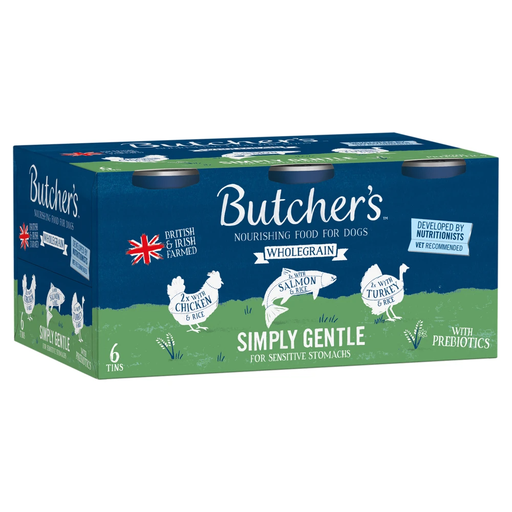
Why This Fits Their Persona: This wet dog food is formulated for dogs prone to digestive upset. It's a practical choice for owners seeking a gentle, palatable meal that actively supports gut health, featuring ingredients sourced from British and Irish farms.
Instead of just being grain-free, it focuses on genuine digestive support with easily digestible wholegrain rice and prebiotics. This avoids the "grain-free" hype and provides a functional solution for a dog food for sensitive stomachs.
Contains prebiotics MOS & FOS from yeast and chicory root, which help to promote the growth of beneficial gut bacteria and support a balanced digestive system.
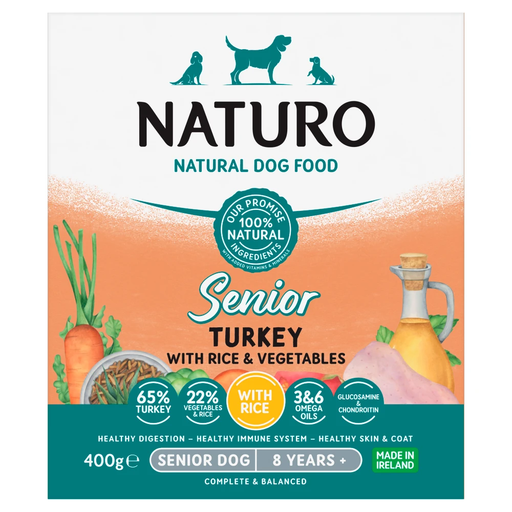
Why This Fits Their Persona: This Naturo dog food is tailored for the specific needs of dogs aged 8 and over. It provides high-quality, easily digestible protein and targeted nutrients to support mobility and overall health in their golden years.
This is a dedicated senior dog food, not an all-life-stages formula. It boasts a high 65% named turkey content, ensuring owners know exactly what protein source they are providing, avoiding the vague ingredient trap.
Enriched with Glucosamine & Chondroitin, which are included to help maintain healthy joints and cartilage, a common concern for owners of older dogs.
We have compiled a complete, real-time list of products that fully satisfy these strict selection criteria and UK safety regulations.
To avoid digestive upset, you should transition your dog to a new food gradually over 7-10 days. Start by mixing a small amount of the new food (around 25%) with their old food (75%). Every couple of days, increase the proportion of the new food while decreasing the old, until you are feeding 100% of the new diet.
Neither is inherently "better"; the ideal choice depends on your dog. Dry food is great for dental health and convenience. Wet food is excellent for hydration and fussy eaters. Many UK owners use a mix of both to get the benefits of each. Always ensure fresh water is available, regardless of which you choose.
A hypoallergenic dog food is one formulated to reduce the risk of an allergic reaction. These diets typically use a single, often novel, protein source (like duck or venison) and a single carbohydrate source. They also avoid common allergens like wheat, soya and dairy. If you suspect your dog has a food allergy, it is always advisable to consult with your vet.