
24/7 Customer Support

Free returns

Same-day & Next-day Delivery

Quality Guaranteed

Unlock Your Welcome Offers: FREE Delivery | Up to 80% OFF | Free 30-day JoyPlus trial
Download the APP
Choosing the right food for your dog can feel overwhelming. The aisles are packed with bags all claiming to be the perfect choice, but the labels can be confusing. As a dog owner, you want to provide balanced nutrition without falling for marketing hype or overspending on features your dog may not need. This guide cuts through the clutter to help you understand what really matters when selecting a complete dry dog food.
My role as a Joybuy Product Recommendation Officer is to help you navigate these choices. Let's look at the common pitfalls to avoid and the key factors to check before you buy.
Many well-intentioned owners make purchasing decisions based on marketing terms that can be misleading. Here are three traps to watch out for:
To make an informed choice, focus on the information on the back of the bag. Here are the three most important areas to analyse.
Ingredients are listed by weight, with the largest component first. Look for a clearly named meat source, such as "Chicken Meat Meal" or "Freshly Prepared Chicken," near the top of the list. Vague terms like "meat and animal derivatives" can be a sign of lower-quality, mixed protein sources. A good quality chicken and veg dog food will clearly state its primary ingredients.
A dog's nutritional needs change throughout its life.
Choosing the right formula for your dog's age and energy output is fundamental to their health.
This table on the packaging gives you a clear breakdown of the food's nutritional profile. The key figures to check are:
Based on these practical criteria, here are a few options of dry kibble for dogs suited to different needs and households across the UK.
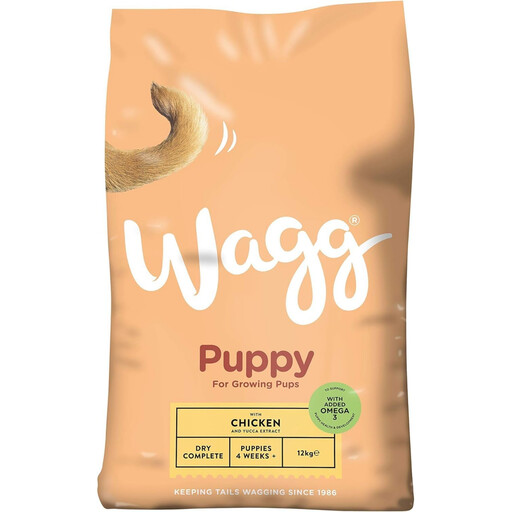
Why This Fits Their Persona: For households with a new, growing puppy, this bulk dry dog food bag offers great value. It's formulated specifically for a puppy's developmental needs, saving you frequent trips to the shop.
This is a 'complete' food, ensuring your puppy gets all required nutrients without guesswork. The ingredients clearly state "Chicken Meat Meal" as a primary protein source.
Contains prebiotic chicory root to support digestion and has balanced calcium and vitamin D for healthy bone development in growing puppies.
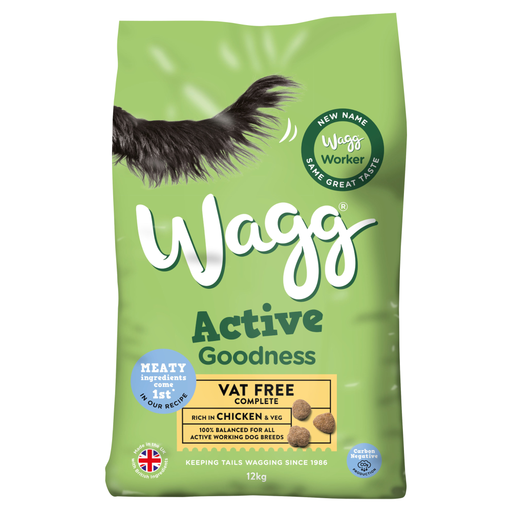
Why This Fits Their Persona: Ideal for owners of energetic breeds, farm dogs, or any canine companion with a high-energy lifestyle. This working dog food is formulated to provide the fuel they need to stay active and healthy.
This food is specifically labelled for active dogs, meaning its nutritional profile (22% protein, 8% fat) is tailored to their energy needs, avoiding the one-size-fits-all approach.
Features a higher protein content for muscle maintenance and includes Omega 3 & 6 fatty acids to support joint health and coat condition in active dogs.
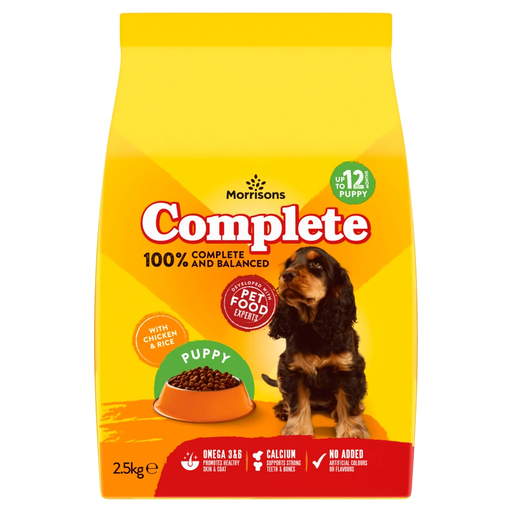
Why This Fits Their Persona: If you're looking for a reliable and affordable puppy food without committing to a large bag, this 2.5kg option is an excellent starting point. It provides complete nutrition at a practical price point.
This product is clearly labelled as 'complete and balanced' and suitable for puppies up to 12 months, removing any ambiguity about its purpose and nutritional adequacy.
Developed with pet food experts, it contains no added artificial colours or flavours and includes calcium to support the growth of strong teeth and bones.
We have compiled a complete, real-time list of products that fully satisfy these strict selection criteria and UK safety regulations.
The feeding guide on the packaging is your best starting point. These guides usually provide a range based on your dog's weight. However, you should adjust the amount based on your dog's age, breed, activity level and body condition. The goal is to maintain a healthy, lean weight where you can easily feel their ribs but not see them.
Yes, but it should be done gradually to avoid digestive upset. Start by mixing a small amount of the new food (around 25%) with their old food (75%). Over the course of 7-10 days, gradually increase the proportion of the new food until you have fully transitioned.
The main difference lies in the nutritional density. Puppy food has a higher concentration of protein, fat and calories to fuel their rapid growth. It also has a carefully controlled balance of minerals like calcium and phosphorus for skeletal development. Adult dog food has lower levels of these to help maintain a healthy weight and prevent obesity in less active, fully-grown dogs. Feeding the wrong life-stage food can lead to health issues over time.