
24/7 Customer Support

Free returns

Same-day & Next-day Delivery

Quality Guaranteed

Unlock Your Welcome Offers: FREE Delivery | Up to 80% OFF | Free 30-day JoyPlus trial
Download the APP
Bringing a new puppy home is an exciting time, but it also comes with the responsibility of making sure they get the best possible start in life. One of the most important decisions you'll make is choosing their food. The market is filled with options, and navigating terms like 'complete', 'natural' and 'grain-free' can be confusing. The right diet is fundamental for your puppy's growth, energy and long-term health.
This guide is designed to help you understand the essentials of complete dry puppy food. We'll break down what to look for on the label and provide some practical recommendations to help you find a nutritious and suitable option for your new companion.
Before choosing a specific brand, it's helpful to understand the key components that make up a high-quality puppy kibble.
A puppy's diet needs to be rich in nutrients to support rapid growth. When you look at an ingredients list, pay attention to the first few items, as they make up the bulk of the food. Look for a clearly named meat source, such as chicken or turkey, listed as the primary ingredient. This indicates a high protein puppy food, which is crucial for muscle development. A balanced formula will also include carbohydrates for energy, essential fats like Omega-3 and 6 for brain and coat health and a full spectrum of vitamins and minerals for overall well-being.
Just like people, some puppies can have sensitive digestions. If you notice your puppy has an upset stomach or itchy skin, you might consider a specially formulated diet. A puppy food for sensitive stomachs often uses easily digestible proteins and may exclude common irritants. Grain-free puppy food is a popular choice for puppies with specific grain allergies, replacing grains like wheat and maize with alternatives such as sweet potato or peas. However, a grain-free diet is not essential for all puppies; many thrive on formulas containing high-quality, whole grains.
The term 'complete' on a pet food label is a regulated term. It means the food contains all the necessary nutrients in the correct proportions to support your puppy's daily needs without requiring additional supplements. A complete puppy nutrition formula is specifically designed for the growth stage, with adjusted levels of calcium and phosphorus for strong bones and teeth and higher protein and calorie content than adult dog food. Opting for a 'complete' food ensures your puppy is getting a balanced diet from their daily meals.
As a Joybuy Product Recommendation Officer, I've filtered through various options to highlight some practical and well-regarded choices available in the UK.
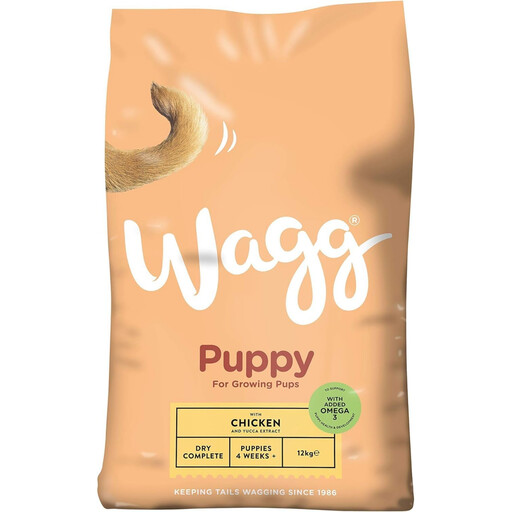
Why It Stands Out: This food offers a balanced and complete nutritional profile in a large, economical format. It focuses on core puppy requirements, with added ingredients to support digestion and bone development, making it a solid all-round choice.
Pros:
Who is it for? This is a suitable choice for owners looking for a reliable and affordable natural puppy food that covers all the essential nutritional bases for puppies from 4 weeks of age.
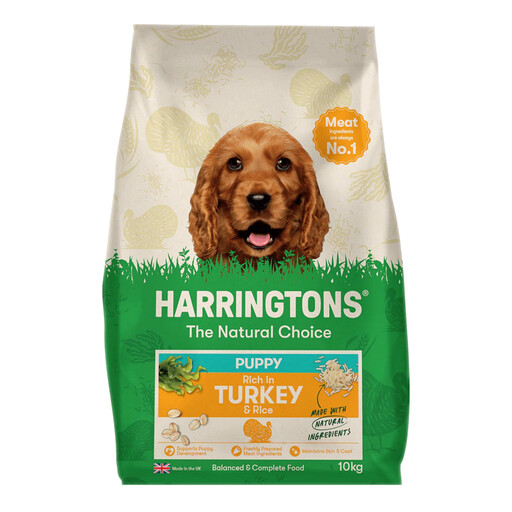
Why It Stands Out: Harringtons focuses on natural ingredients with meat as the number one component. The smaller kibble size is a thoughtful feature, designed specifically for the smaller mouths of young puppies, making mealtimes easier.
Pros:
Who is it for? This is an excellent option for very young puppies (from 3 weeks) or those who struggle with larger kibble. It's also a great fit for owners who prioritise natural ingredients and want to avoid common allergens like wheat and soya.
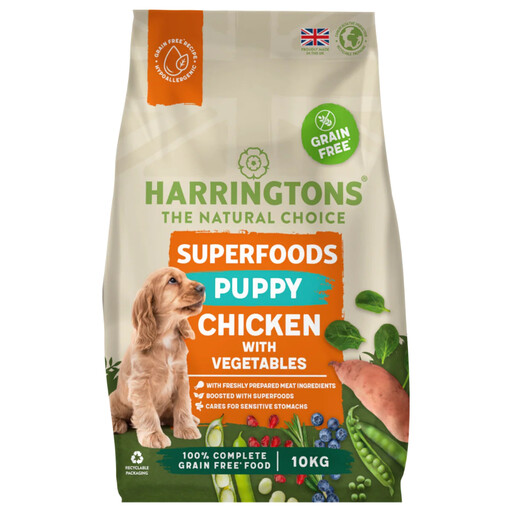
Why It Stands Out: This formula is specifically designed for puppies with digestive sensitivities. By being completely grain-free and hypoallergenic, it provides a gentle yet highly nutritious option, enhanced with a blend of superfoods.
Pros:
Who is it for? This is the go-to choice for puppies with known grain intolerances or those who need a puppy food for sensitive stomachs. It's also perfect for owners seeking a diet packed with additional natural antioxidants from superfoods.
Every puppy is an individual, and what works for one may not be the perfect fit for another. If these recommendations don't quite match what you're looking for, or if you'd like to explore different protein sources and formulations, we have a wider selection available.
Discover more great choices in our full Wholesale dog products category.
The feeding guide on the packaging is your best starting point. These amounts are based on your puppy's age and expected adult weight. However, you should monitor your puppy's body condition and adjust the portion size based on their activity level. Always ensure fresh, clean water is available.
Most puppies can transition to adult food around 10-12 months of age. However, larger breeds may need to stay on puppy food for longer (up to 18-24 months) to support their extended growth phase. Always check the manufacturer's recommendation and transition to the new food gradually over 7-10 days to avoid digestive upset.
Not necessarily. A grain-free diet is most beneficial for puppies with a diagnosed grain allergy or sensitivity. For most puppies, high-quality grains like rice and oats are excellent sources of energy and nutrients. The most important factor is choosing a well-balanced, complete food that your puppy enjoys and thrives on.